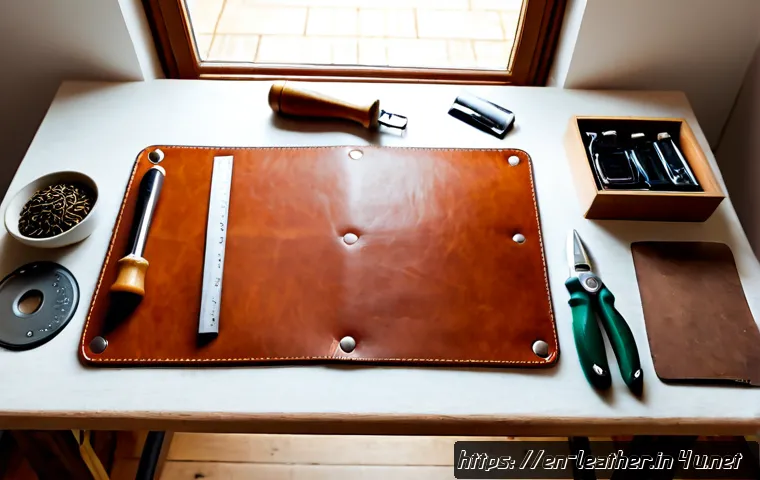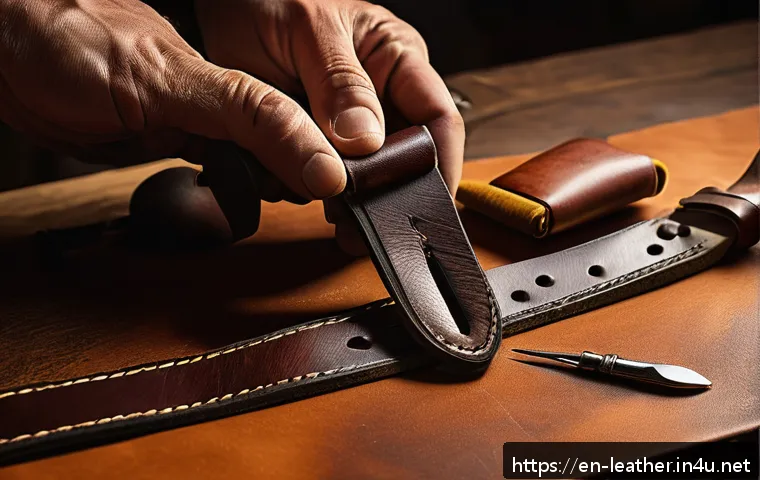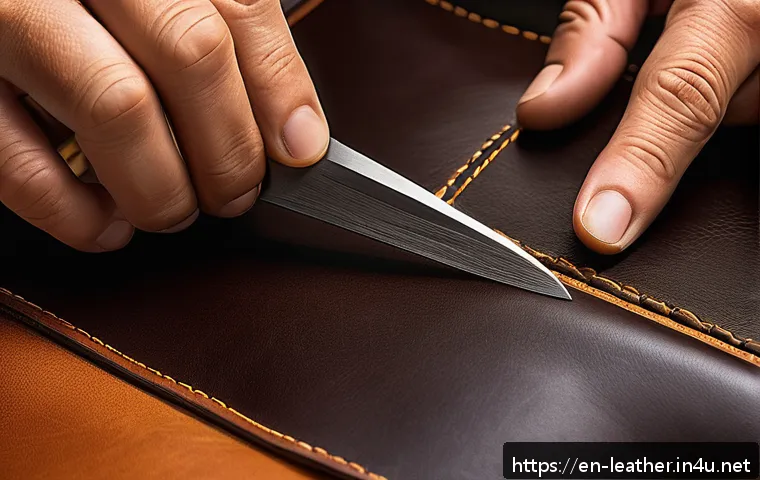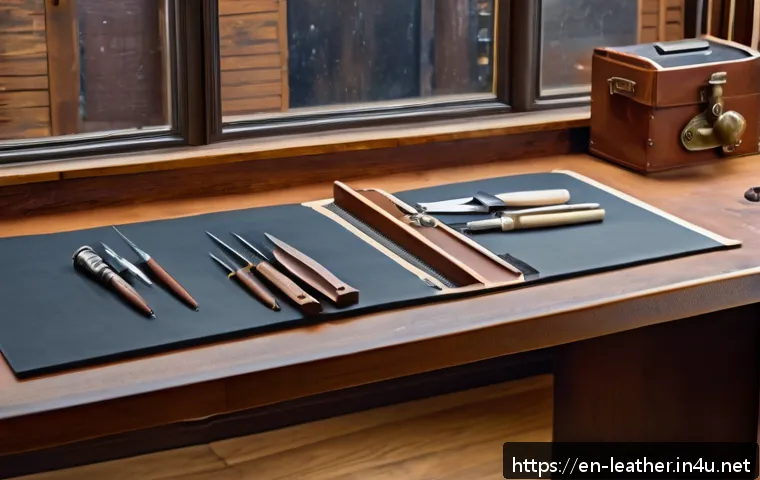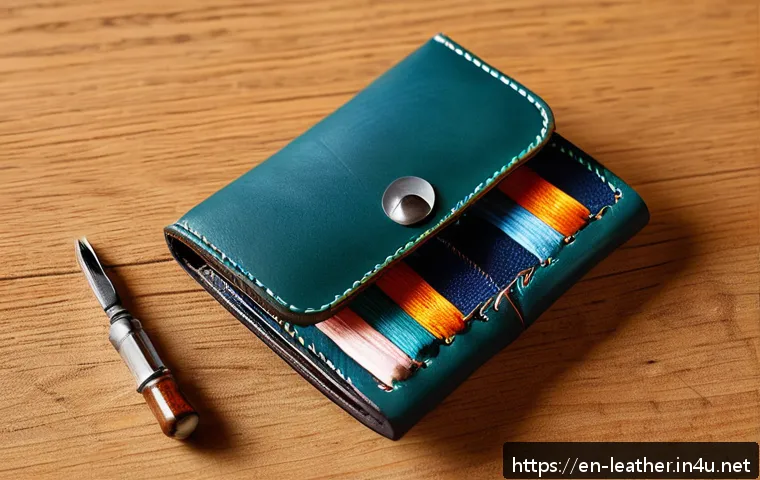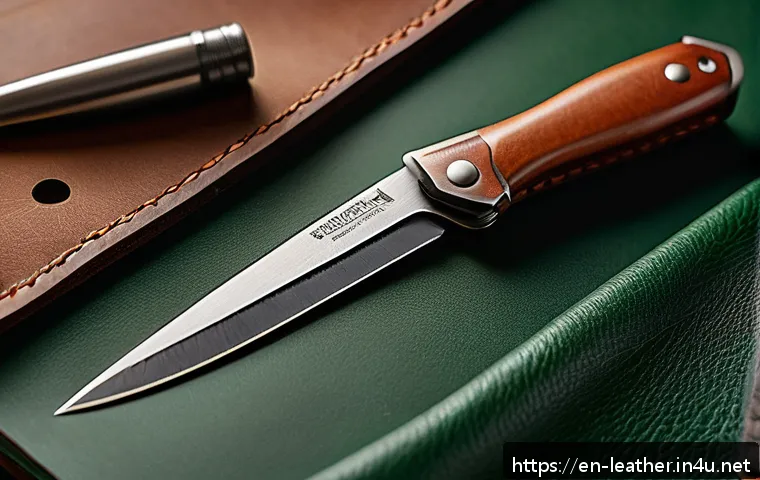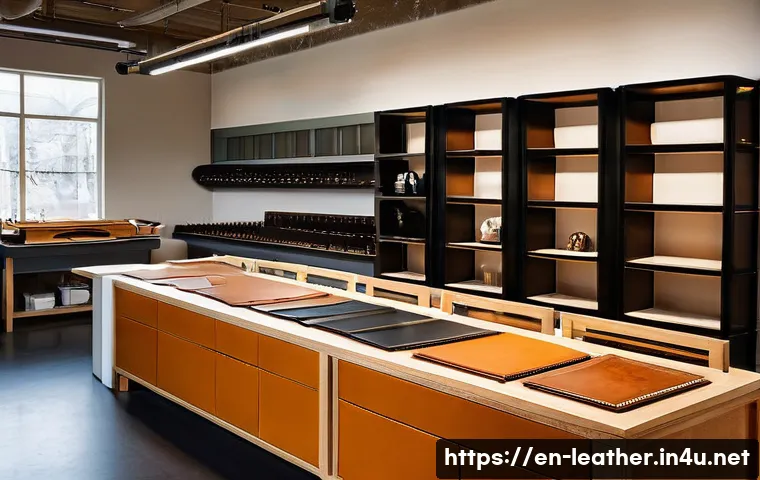
Hey there, fellow leather lovers and crafting enthusiasts! You know that unique thrill we get from working with leather, turning a simple hide into something truly special?
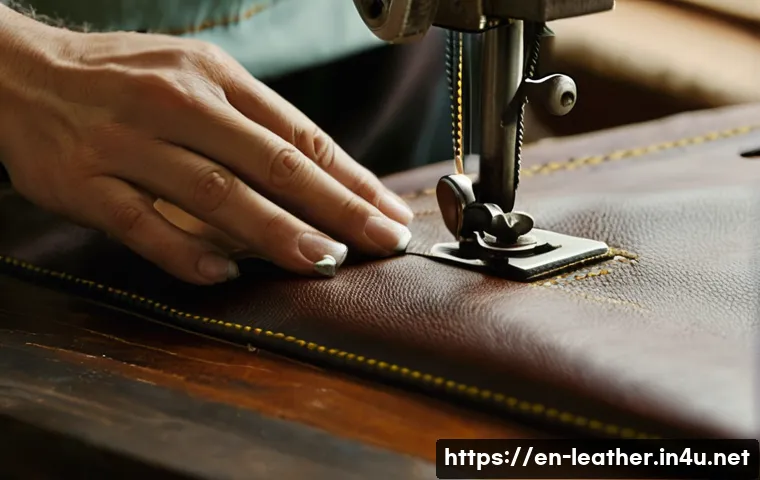
It’s a feeling like no other. For a long time, I, like many of you, relied solely on my trusty hand tools, meticulously cutting and stitching every piece.
And don’t get me wrong, there’s an undeniable magic to those traditional methods. But what if I told you that embracing modern machinery can unlock a whole new dimension of creativity, precision, and even efficiency in your workshop?
It truly changed the game for me! I’ve personally seen how the right leather crafting machine can elevate your projects from beautiful to absolutely breathtaking, allowing for intricate designs and a professional finish that really makes your work stand out in today’s bustling market for unique, handmade goods.
In a world where everyone craves personalization and quality, integrating smart tools can help you meet that demand, whether you’re creating for friends, selling online, or even thinking about scaling up your passion into a thriving small business.
It’s not about replacing the artistry, but enhancing it, letting you focus more on the creative vision while the machines handle the heavy lifting. If you’ve ever felt limited by time or technique, trust me, you’re in for a treat as we explore the incredible possibilities.
Let’s accurately find out how to harness these powerful tools for your next masterpiece!
Elevating Your Craft with Precision Cutting Machines
You know that moment when you’ve painstakingly cut out a complex pattern by hand, only to find a slight wobble or an uneven edge? It’s soul-crushing, isn’t it?
I’ve been there more times than I care to admit! That’s precisely where precision cutting machines become your best friend. Forget those endless hours hunched over a cutting mat, meticulously tracing and slicing.
We’re talking about machines that can interpret your digital designs and cut leather with an accuracy that simply can’t be matched by even the steadiest hand.
Think about a laser cutter, for example; the crisp, clean edges it produces are just *chef’s kiss*. Or a CNC cutter, which can handle thicker hides with incredible speed and repeatibility.
I remember the first time I saw a complex design, something with a lot of delicate curves and internal cuts, flawlessly produced by a machine. It was genuinely breathtaking and instantly made me realize the potential for elevating my own work, allowing me to tackle projects I’d previously shied away from due to their complexity.
This shift doesn’t diminish the craft; it enhances it, giving you the freedom to dream bigger.
Unlocking Intricate Designs with Laser Cutters
Laser cutters are incredible for achieving those incredibly detailed and intricate designs that would be a nightmare, or even impossible, to cut by hand.
Imagine custom patterns, precise logos, or even delicate filigree work, all cut with stunning accuracy. What I particularly love is the consistency – every single piece comes out identical, which is a massive time-saver, especially if you’re making multiple items like a batch of wallets or keychains.
When I first tried a laser cutter, I was worried it might feel ‘impersonal,’ but honestly, it just freed me up to focus on the truly creative aspects, like design and finishing, rather than getting bogged down in repetitive cutting.
It’s like having a super-skilled assistant who never gets tired! Plus, the sealed edges a laser creates can sometimes even reduce the need for extensive edge finishing on certain leathers, which is another little win in my book.
It opens up a whole new world of design possibilities.
The Power of Digital Dies with CNC Cutting
For those working with thicker leathers or requiring exceptionally fast, high-volume cutting, CNC cutters are an absolute game-changer. These machines operate using digital files, much like their laser counterparts, but they use a physical blade to cut through the material.
This means they can handle heavier weights of leather with ease and create incredibly clean, professional edges. I’ve found that using a CNC cutter not only speeds up my production process dramatically but also allows for an unparalleled level of consistency across all my pieces.
This consistency is crucial when you’re aiming for a premium finish and want every product to meet the same high standard. It’s not just about speed; it’s about precision and the ability to replicate designs perfectly every single time, which is invaluable when you’re trying to build a reputation for quality.
Stitching Smarter, Not Harder: The Power of Industrial Sewing Machines
For years, I prided myself on my hand stitching. There’s a meditative quality to it, a connection to the material that’s truly special. But let’s be real – it’s incredibly time-consuming and, frankly, tough on the hands after a long day!
When I finally invested in an industrial leather sewing machine, it felt like I’d upgraded from a bicycle to a sports car. The speed and consistency of stitches were mind-blowing.
Suddenly, projects that would have taken days of intense hand stitching were completed in a fraction of the time, with perfectly even and strong seams.
This wasn’t about replacing the artistry; it was about amplifying it. It allowed me to take on larger, more ambitious projects, to create products with a professional finish that truly stands out in a competitive market.
The confidence you gain knowing every seam is going to be robust and beautiful is immeasurable.
Mastering Heavy-Duty Sewing with Walking Foot Machines
If you’re serious about working with leather, a walking foot machine is an absolute must-have. Unlike regular sewing machines, a walking foot mechanism ensures that multiple layers of leather, even thick ones, are fed through evenly, preventing slippage and ensuring perfectly aligned seams.
I remember my frustration trying to sew two pieces of veg-tan together on a home machine; it was a disaster. The walking foot changed everything. My stitches became consistently straight, and the machine handled different thicknesses with remarkable ease.
It also allows for the use of much thicker threads, which not only looks fantastic but also adds incredible durability to your creations. For anyone creating bags, belts, or heavy-duty wallets, this machine will honestly transform your workflow and the quality of your finished goods.
The Versatility of Post-Bed and Cylinder Arm Machines
For those trickier projects, like sewing around curves, creating three-dimensional items, or working on tight spots, post-bed and cylinder arm machines are invaluable.
A post-bed machine lifts the working area, making it ideal for sewing boxes, bags, and shoes where you need to maneuver the leather around a raised platform.
The cylinder arm, on the other hand, is perfect for stitching into tubes or other enclosed shapes, like sleeves on a jacket or certain bag constructions.
I found a post-bed machine particularly useful when making structured handbags; it just makes it so much easier to get those crisp corners and clean lines.
These machines allow for a level of precision and access that simply isn’t possible with a flatbed machine, opening up a whole new realm of design possibilities and making previously difficult tasks surprisingly straightforward.
Beyond the Blade: Embracing Engraving and Embossing Technology
Adding unique details to your leatherwork is what truly makes it *yours*, isn’t it? For the longest time, I relied on hand-stamping and tooling, which are beautiful arts in themselves but can be incredibly time-consuming and demand a highly skilled hand for consistent results.
Then I discovered the world of laser engraving and automated embossing. It felt like stepping into the future! Suddenly, I could add intricate patterns, personalized text, or detailed logos with pinpoint accuracy and speed.
This capability not only sped up my customization process but also allowed me to offer a wider range of personalization options to my customers, which has been a huge boost for my small business.
The ability to quickly engrave a customer’s initials or a unique design on the spot is a fantastic selling point, and the consistent quality is something I truly value.
Personalizing with Precision: Laser Engraving for Leather
Laser engraving on leather is, in my opinion, one of the most exciting advancements for crafters. You can take any digital design – a logo, a drawing, even a photograph – and precisely burn it onto the surface of the leather.
The level of detail you can achieve is astounding, far beyond what’s practical with traditional tooling. I’ve used it for everything from intricate mandala patterns on journal covers to crisp, clean branding on key fobs.
The process is quick, clean, and incredibly consistent, which means every piece you engrave looks professional. This has allowed me to offer truly unique and custom products that customers absolutely adore.
It feels like giving a voice to the leather itself, telling a story with every engraved line.
Achieving Professional Finishes with Automated Embossing
While hand-stamping certainly has its charm, automated embossing machines take consistency and depth to a whole new level. These machines use heat and pressure with custom dies to press designs into the leather, creating a crisp, uniform impression every single time.
If you’re looking to add a professional brand logo, a consistent pattern, or even foil stamping to your products, an embossing machine is invaluable. I’ve found that the consistent pressure of a machine ensures that every impression is deep and clear, giving a really high-end feel to the finished product.
This consistency is especially important for branding, where a perfect logo is essential for presenting a professional image.
The Game-Changing Benefits of Automated Skiving and Edge Finishing
Let’s be honest, skiving by hand can be a real pain! It’s a crucial step for reducing bulk in seams and ensuring a clean, elegant finish, but it’s also one of the most challenging skills to master.
My fingers still remember the occasional nicks and cuts from my early days. That’s why when I finally invested in a skiving machine, it felt like a revelation.
The precision and speed with which it thins leather are incredible, making what used to be a tedious, error-prone task into a quick, consistent process.
The same goes for automated edge finishing. Achieving perfectly smooth, burnished edges by hand takes hours of repetitive work. Machines designed for this task can do it in minutes, with a level of uniformity that makes your finished product look truly exceptional.
This shift has not only saved my hands but also significantly improved the overall quality and speed of my projects.
Effortless Thinning with Skiving Machines
A good skiving machine is, without exaggeration, a life-changer for any serious leatherworker. It allows you to consistently thin the edges of leather, reducing bulk in seams and making folding and turning much easier and cleaner.
Before I got mine, I’d dread projects requiring extensive skiving, often sacrificing some precision for the sake of finishing. Now, I can achieve perfectly consistent skives with ease, which translates directly into cleaner, more professional-looking seams and edges.
This machine has given me the confidence to tackle more intricate designs and use thicker leathers without worrying about bulky, uneven finishes. It’s a tool that truly enhances both the aesthetic and structural integrity of your leather goods.
Perfect Edges, Every Time: Automated Burnishing and Painting
Achieving beautifully burnished or painted edges is a hallmark of high-quality leatherwork, but it’s incredibly time-consuming to do by hand, especially for larger projects.
Automated edge burnishing and painting machines make this process not only faster but also much more consistent. These machines apply uniform pressure and heat for burnishing, or a consistent coat of paint, resulting in smooth, polished edges that really elevate the final look of your product.
I’ve been amazed at how quickly and perfectly my edges come out now. It allows me to spend more time on the creative aspects of my craft and less time on repetitive, labor-intensive finishing tasks, all while ensuring a consistently premium finish that truly sets my work apart.
Setting Up Your Modern Leather Workshop: Essential Considerations
Alright, so you’re feeling inspired, perhaps even a little giddy, about bringing some of these incredible machines into your workshop – I know I was! But before you dive headfirst into online shopping, let’s talk practicalities.
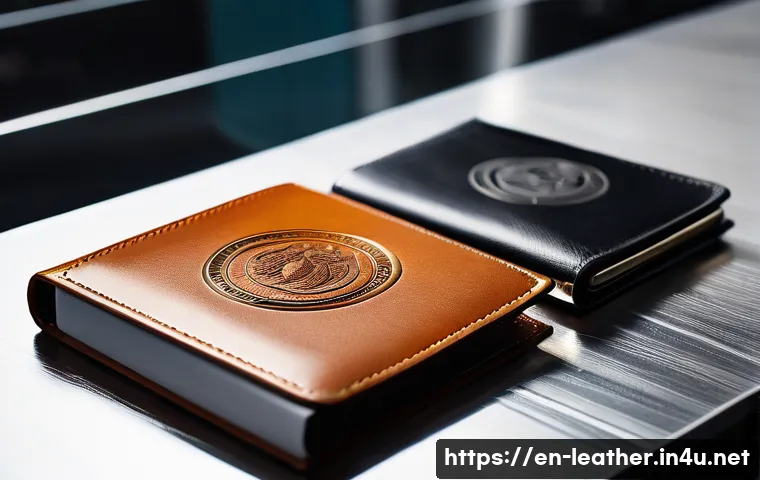
Setting up a modern workshop isn’t just about buying the machines; it’s about creating an efficient, safe, and productive environment. I’ve learned a few things the hard way, like the importance of proper ventilation when using a laser cutter (trust me, you don’t want your workshop smelling like a campfire for weeks!).
Thinking about power requirements, space allocation, and even workflow optimization *before* you start buying is going to save you a ton of headaches and potentially a lot of money down the line.
It’s an investment, not just in equipment, but in your entire creative process and potential for growth.
Space, Power, and Ventilation Requirements
One of the first things to consider when bringing in new machinery is your workshop space. Industrial machines, especially sewing machines or laser cutters, can take up a significant amount of room.
You need to think about not just the footprint of the machine itself, but also the clearance needed around it for safe operation and comfortable material handling.
Power is another huge one; many industrial machines require 220V outlets, which might mean electrical upgrades. Don’t overlook ventilation, especially for laser cutters which produce fumes.
A proper exhaust system is non-negotiable for safety and comfort. I made the mistake of underestimating this initially, and let’s just say my workshop smelled like a smoky barbecue for a while!
Planning these practical aspects upfront will ensure a smooth integration of your new tools.
Smart Layout and Workflow Optimization
Once you have the space and power sorted, think about your workshop layout. An efficient layout can drastically improve your workflow. Consider the sequence of operations for your typical projects.
Where does the leather get cut? Where does it get skived? Where is it sewn?
Arranging your machines and workstations in a logical flow will minimize unnecessary movement and reduce production time. For example, having your cutting machine near your pattern storage, and your skiving station near your sewing machine makes a huge difference.
I like to keep my most frequently used hand tools easily accessible near my primary workstations. A well-organized shop isn’t just aesthetically pleasing; it’s a powerful tool for productivity.
Maximizing Efficiency and Profit: A Business Perspective
Let’s talk brass tacks. For many of us, leather crafting isn’t just a hobby; it’s a passion that we dream of turning into a sustainable business. And let me tell you, integrating modern machinery has been a game-changer for my business.
It’s not just about making things faster; it’s about consistently producing high-quality items, reducing waste, and ultimately, increasing your profit margins.
I’ve seen a noticeable uptick in customer satisfaction and repeat business since I started delivering more professional and intricate pieces with the help of my machines.
It allows me to take on more custom orders, fulfill larger batches, and even experiment with new product lines without feeling overwhelmed by the sheer labor involved.
This strategic investment really pays off, allowing you to scale your passion.
| Machine Type | Primary Benefit for Business | Impact on Craft |
|---|---|---|
| Laser Cutter | High-volume, intricate, consistent cutting; personalization options. | Unlocks complex designs; reduces manual cutting fatigue. |
| Industrial Sewing Machine | Faster, stronger, and more uniform stitching; handles heavy materials. | Professional finish; enables larger, more durable projects. |
| Skiving Machine | Consistent thinning of leather edges; reduces bulk. | Cleaner seams; elevates overall product aesthetic and strength. |
| Embossing Machine | Uniform branding and pattern application; professional finish. | Consistent, high-quality branding; expands customization services. |
Reducing Production Time and Labor Costs
One of the most immediate and impactful benefits of modern machinery is the significant reduction in production time. Tasks that once took hours, or even days, can now be completed in minutes or hours with incredible precision.
This isn’t just about speed; it’s about freeing up your valuable time. Instead of spending endless hours on repetitive cutting or stitching, you can dedicate that time to design, marketing, or even developing new products.
For a small business owner like me, this translates directly into reduced labor costs per item and the ability to produce more goods in the same amount of time, which directly impacts the bottom line.
It’s about working smarter, not just harder, and making your time more valuable.
Enhancing Product Quality and Customization Offerings
The precision and consistency offered by modern machines dramatically elevate the quality of your finished products. Imagine perfectly straight seams, consistently cut patterns, and flawlessly executed engravings.
This level of quality commands a higher price point and builds customer trust, leading to repeat business and positive word-of-mouth. Furthermore, machines like laser engravers and embossing presses open up a world of customization possibilities.
You can offer personalized items with names, dates, or unique designs, which are incredibly popular in today’s market. This enhanced ability to customize not only adds value to your products but also differentiates your brand, making your offerings truly unique and appealing to a broader audience.
My Personal Journey: Integrating Machines into Traditional Craft
When I first started out in leather crafting, it was all about the hands-on, traditional approach. And I loved every minute of it, truly! There’s a certain satisfaction that comes from feeling the leather, working it with your own two hands, and seeing your vision come to life stitch by painstaking stitch.
But as my passion grew, and I wanted to create more intricate pieces, or even share my work with a wider audience, I started to feel limited by my own two hands.
The thought of bringing machines into my workshop felt, at first, a little like “cheating.” But boy, was I wrong! It wasn’t about replacing my love for traditional methods; it was about empowering it, giving me the tools to push the boundaries of what I thought was possible.
It’s been an incredible journey of learning, adapting, and watching my craft evolve in ways I never imagined.
Overcoming Initial Hesitations and Embracing New Skills
Like many traditional crafters, I had my hesitations about introducing machines. There’s a romantic notion that true craftsmanship is purely hand-done.
But my experience taught me that real craftsmanship lies in the *vision* and the *execution*, regardless of the tools. The initial learning curve for some machines, especially the more complex ones like laser cutters, felt a bit daunting.
I spent hours watching tutorials, reading manuals, and experimenting with scraps of leather. There were definitely moments of frustration, but the payoff has been immense.
Learning these new skills wasn’t just about operating a machine; it was about expanding my understanding of design, precision, and efficiency. It felt like unlocking a new level in my crafting journey, and that sense of accomplishment was incredibly rewarding.
The Synergy of Handwork and Machine Precision
The biggest lesson I’ve learned is that it’s not an either/or situation. It’s about finding the perfect synergy between the timeless beauty of handwork and the unparalleled precision of modern machinery.
I still love hand-stitching intricate details, burnishing edges to a mirror shine with a hand tool, or carefully hand-tooling a unique pattern. But now, the heavy-duty cutting, the long stretches of straight stitching, or the precise engraving of a logo can be handled by machines, freeing up my hands and my time for the elements that truly demand my personal touch.
This blend allows me to create pieces that embody both the soul of handcrafted artistry and the flawless execution of modern technology. It’s a powerful combination that truly elevates the craft and makes every project feel like a masterpiece.
Wrapping Things Up
It’s been quite a journey discussing how modern machinery can truly revolutionize your leather crafting. From the initial hesitation to the pure joy of seeing your designs brought to life with incredible precision and efficiency, integrating these tools isn’t about replacing your passion; it’s about amplifying it.
It empowers you to dream bigger, create more intricately, and ultimately, elevate your craft to a level you might not have thought possible. Embrace the synergy of traditional artistry and cutting-edge technology, and watch your creative world expand.
Good to Know Info
1. Do your homework! Research different machine types and brands extensively to find what truly fits your specific needs and budget. Don’t rush into a purchase without understanding the capabilities and limitations.
2. Prepare your workspace. Consider power requirements, ventilation, and the physical space each machine will occupy. A well-organized and safe workshop is a productive one.
3. Embrace the learning curve. Like any new skill, operating these machines takes practice. Be patient with yourself, watch tutorials, read manuals, and don’t be afraid to experiment with scrap pieces.
4. Start small if you need to. You don’t have to buy every machine at once. Identify the biggest pain points in your current workflow and invest in the machine that will offer the most immediate and impactful improvement.
5. Connect with other crafters! The community is a treasure trove of knowledge. Joining online forums or local groups can provide invaluable advice, troubleshooting tips, and even opportunities to try out machines before you buy.
Key Takeaways
Integrating modern machinery into your leather crafting is a strategic investment that pays dividends in precision, efficiency, and enhanced product quality.
It frees up your time for more creative endeavors, allows for greater customization, and ultimately helps you scale your passion into a thriving business, all while maintaining the soul of handcrafted artistry.
Frequently Asked Questions (FAQ) 📖
Q: I’ve been doing leather crafting by hand for years, and I truly love the traditional process. Do I really need to invest in machines, or will they just complicate things?
A: Oh, I totally get where you’re coming from! For so long, I felt the exact same way. My workshop was a haven of hand tools, and there’s an undeniable romance to every cut and stitch being made by your own two hands, right?
But let me tell you, embracing machines truly opened up a world of possibilities I didn’t even know existed. It’s not about replacing the artistry or the satisfaction of traditional methods; it’s about enhancing them.
Think of it this way: a good quality leather skiving machine, for example, can give you consistent, feather-thin edges that are incredibly difficult and time-consuming to achieve by hand, especially on a large project.
When I first tried one, I was genuinely amazed at the professional finish it allowed me to achieve, making my wallet seams lay so much flatter and cleaner.
This translates directly into a higher perceived value for your pieces, whether you’re gifting them or selling them on Etsy or at a local craft fair. Plus, the sheer time-saving aspect is a game-changer.
Imagine spending less time on repetitive tasks and more time on the creative design, the intricate tooling, or even developing new product lines. For me, it meant I could take on bigger, more complex orders without feeling overwhelmed, and frankly, it made crafting even more enjoyable by reducing some of the physical strain.
It allows you to push your creative boundaries and bring those ambitious ideas to life with a level of precision that makes your work truly stand out.
Q: I’m just a hobbyist right now, but I’d love to potentially sell some of my leather goods in the future. What are some essential leather crafting machines that would be a smart investment for someone like me without breaking the bank?
A: That’s fantastic! It sounds like you’re on the cusp of turning a passion into something more, and that’s incredibly exciting! When I started thinking about scaling up from hobbyist to selling, the first question on my mind was always “what’s worth the money?” My personal journey began with a good quality leather skiving machine.
Honestly, it’s a foundational piece. Achieving a perfect, even skive by hand is incredibly challenging, and a skiver gives you that flawless edge every single time, making your seams incredibly neat and reducing bulk in all the right places.
This significantly elevates the professional look and feel of your finished items – and trust me, customers notice that attention to detail! Next up, I’d highly recommend looking into a leather sewing machine, specifically one designed for heavy materials.
While hand stitching is beautiful, a reliable machine can drastically cut down on production time for larger items like bags or even multiple small wallets, allowing you to produce more pieces and potentially increase your income.
I remember how much my hands appreciated the break when I finally got mine! And if you’re into intricate designs, a die-cutting press could be a real game-changer.
Instead of meticulously cutting out every pattern by hand, you can quickly and precisely cut multiple pieces, ensuring consistency across your product range.
For example, if you make cardholders, you could cut out all your internal pockets in mere seconds. These three, in my opinion, offer the best balance of impact on quality, efficiency, and cost-effectiveness for a budding artisan or small business, making your crafting process smoother and your final products truly exceptional.
Q: I’m worried that using machines will take away from the “handmade” feel and unique character of my leather pieces. How do I maintain that authentic, artisanal touch when incorporating modern equipment into my workflow?
A: This is such a valid concern, and one I wrestled with deeply when I first considered bringing machines into my own workshop. It’s easy to feel like you might be losing a bit of your soul in the process, isn’t it?
But here’s the wonderful truth I discovered: machines don’t diminish the handmade spirit; they actually free you up to infuse more of your unique artistry into your work!
Think of them as incredibly skilled assistants. For instance, my skiving machine creates a perfectly even edge, but I choose the design, I decide the leather, I dictate the construction.
It’s still my hands guiding the material, my eye for detail, and my creative vision bringing the piece to life. The machine simply takes care of the repetitive, physically demanding part, allowing me to focus my energy on the elements that truly scream “handmade” – like the intricate carving, the unique dye work, the carefully chosen hardware, or even a personalized hand-stamped initial.
When I’m not exhausted from hours of precise hand-skiving, I find myself more energized to experiment with new tooling patterns or apply a unique antique finish that truly makes a piece one-of-a-kind.
The “soul” of a handmade item comes from the artisan’s choices, their design sensibility, and the personal touch they impart. Machines merely offer precision and efficiency, giving you more time and less fatigue to pour your heart and creative energy into the truly unique, artisanal aspects that customers cherish.
It’s all about finding that sweet spot where technology enhances, rather than overshadows, your beautiful craftsmanship.