Hey there, fellow creators and design enthusiasts! Have you ever found yourself staring at a beautiful piece of leather, your mind buzzing with possibilities, but then hit a wall when it comes to translating that vision into a tangible design?
Trust me, I’ve been there countless times. It’s that thrilling mix of excitement and a tiny bit of creative paralysis that makes us all connect with craftsmanship.
Leather crafting, for me, isn’t just about making something; it’s about telling a story, giving a natural material a new purpose, and pouring a piece of myself into every stitch.
In today’s world, where mass production is everywhere, there’s a growing longing for authentic, handcrafted items, and that’s exactly where our passion for leather craft shines.
People are increasingly looking for unique, personalized pieces, often with an emphasis on sustainable and ethically sourced materials, which is an exciting trend to lean into.
Forget the outdated notions of what leather goods can be; the future of design in this space is all about innovative shapes, unexpected color combinations, and smart functionality that truly stands out.
I’ve personally spent countless hours experimenting with different leathers, tools, and techniques, and what I’ve discovered is that the true magic happens when you blend timeless artistry with a touch of modern flair.
Finding that perfect design isn’t just about aesthetics; it’s about creating something that truly resonates, something that makes you say, “Yes, that’s exactly it!”Ready to unlock some incredible inspiration and discover how to transform your leather craft dreams into stunning realities?
Let’s dive deeper into some fantastic design ideas that will surely spark your next masterpiece!
Embracing the Beauty of Minimalism: Less is Truly More
There’s something incredibly powerful about minimalist design in leather crafting. It’s not about being boring; it’s about stripping away the unnecessary to highlight the inherent beauty of the leather itself. I’ve found that when you focus on clean lines, simple forms, and impeccable craftsmanship, the result is often breathtakingly elegant and timeless. My journey into minimalism started when I realized I was over-designing, adding too many pockets or embellishments that didn’t serve a real purpose. The moment I started asking myself, “Is this truly essential?” everything changed. It forced me to think deeply about the function of each piece and how I could achieve that function with the fewest possible elements. This approach not only makes a piece more refined but also often more durable, as there are fewer points of failure. It feels incredible to create something that looks so simple yet required such intentional thought and precision to achieve. I’ve even seen how these pieces resonate more with people who appreciate understated luxury, those who value quality over ostentation. It’s like the leather gets to speak for itself, and as a maker, that’s a truly fulfilling experience. When a design clicks, and every curve and stitch feels intentional, you know you’ve created something truly special that will stand the test of time, both aesthetically and functionally. It’s about creating a quiet confidence in the piece.
The Power of Clean Lines and Uncluttered Forms
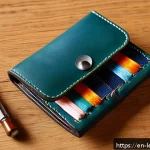
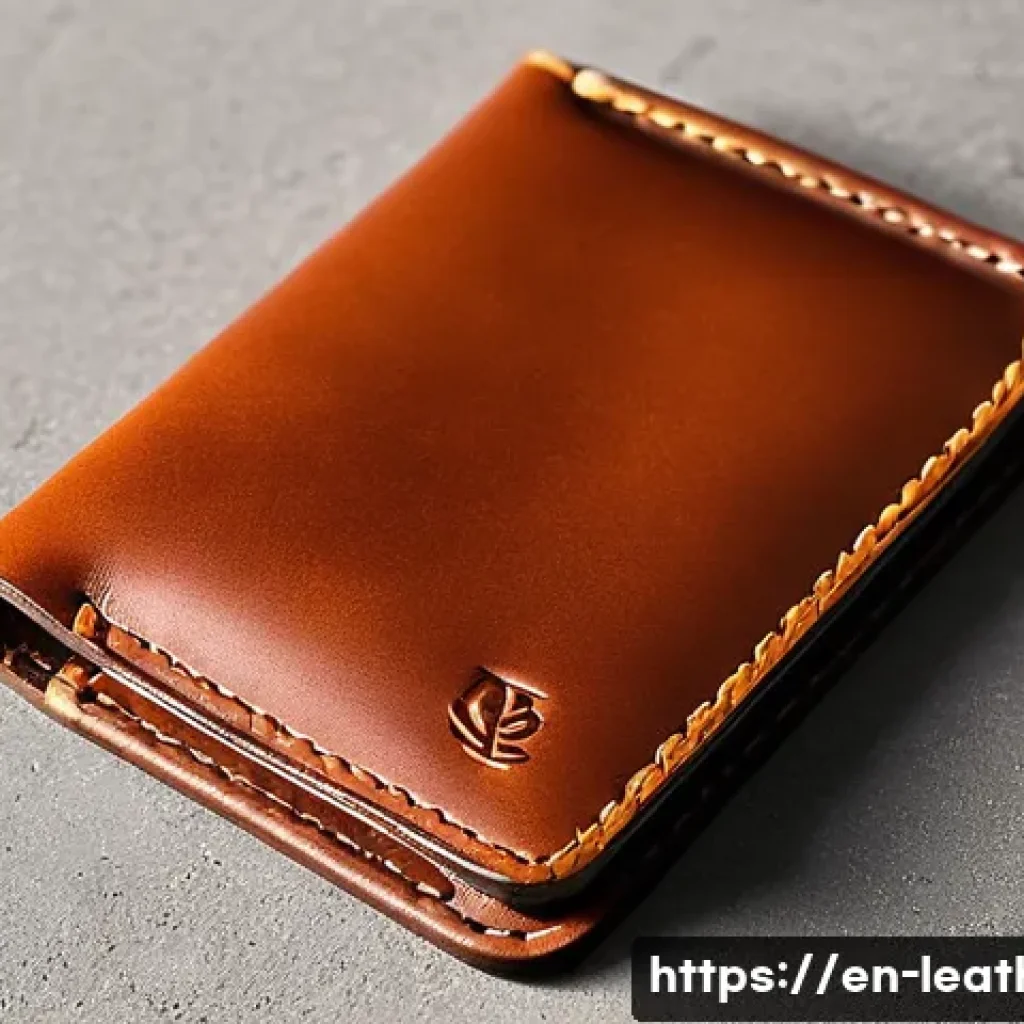
For me, clean lines are the backbone of any great minimalist leather design. Think about the sleek silhouette of a well-designed cardholder or a slim wallet; there’s an immediate sense of purpose and sophistication. I remember struggling with my first few attempts at minimalist wallets, trying to get those edges perfectly straight and the stitching flawlessly even. It took practice, but the payoff was immense. The simpler the design, the more any imperfection stands out, which actually pushed me to refine my techniques. It’s about achieving a visual harmony where nothing feels out of place. I often sketch out designs using just a few basic geometric shapes, then slowly refine them, removing anything that doesn’t enhance the overall form or function. It’s a meditative process that truly allows the natural texture and grain of the leather to shine. When you don’t have a lot of flashy hardware or intricate patterns to hide behind, the quality of your cuts and stitches becomes paramount, and that’s where the true craft lies.
Choosing Leathers That Speak for Themselves
When you’re going for a minimalist aesthetic, the leather itself becomes a star. I’ve learned that selecting high-quality, full-grain leather is absolutely crucial. You want leathers with beautiful natural character, whether it’s a rich vegetable-tanned leather that will develop a gorgeous patina over time, or a supple chrome-tanned leather with a subtle sheen. Avoid heavily corrected or embossed leathers that try to mimic something they’re not. I personally love working with leathers that have a story in their grain – slight variations, natural marks – because these imperfections become part of the unique charm of the finished piece. My go-to choices are often Italian vegetable-tanned leathers because they age so gracefully, taking on a personalized hue with every touch and bit of sunlight. It’s a joy to see a piece I made years ago, now softened and darkened, telling a silent story of its journey with its owner. This choice of material isn’t just about aesthetics; it’s about creating a truly enduring product.
Playful Palettes and Unexpected Textures: Breaking the Mold
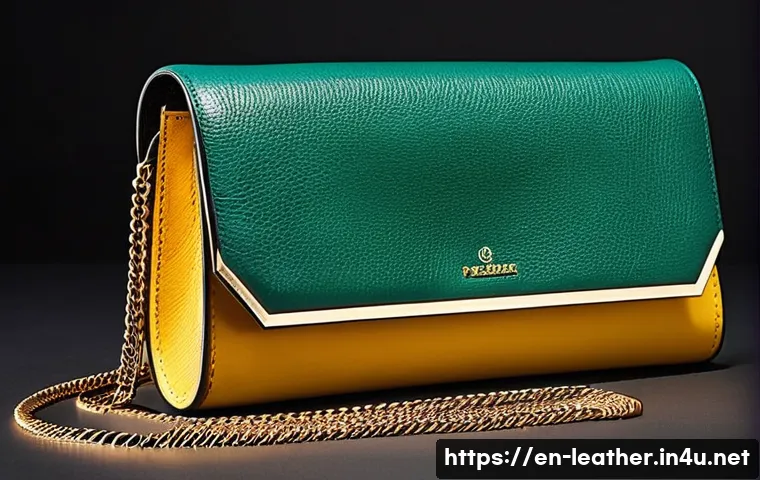
While minimalism has its charm, sometimes you just want to let loose and inject some serious personality into your leather projects! I’ve had so much fun stepping outside my comfort zone and experimenting with vibrant color combinations and intriguing textures. Forget the old rules that say leather has to be brown or black. The market is absolutely brimming with incredible leathers in every shade imaginable, from electric blues to soft pastels, and even metallics. I remember my first foray into a truly bold color combination – a deep emerald green paired with a mustard yellow interior for a clutch. My initial thought was, “Is this too much?” But the response was overwhelmingly positive! People are drawn to items that stand out and reflect a bit of their own adventurous spirit. It’s about creating conversation pieces, things that make you smile every time you look at them. I’ve found that even a small pop of unexpected color on the edge paint or an interior lining can completely transform a seemingly ordinary piece into something truly captivating. Don’t be afraid to mix and match; sometimes the most unexpected pairings yield the most stunning results. This playful approach keeps my creative juices flowing and ensures my work never feels stagnant. It’s like adding a dash of spice to a classic recipe; it just elevates the whole experience.
Mixing Vibrant Hues for Statement Pieces
One of the most exciting aspects of modern leather design is the freedom to play with color. I used to be so hesitant, always sticking to safe, muted tones. But then I saw a handbag with a shocking pink exterior and a deep purple interior, and it just clicked for me. Why not have fun? Now, I love creating color stories with my designs. Think about a sleek briefcase in a bold cobalt blue, or a wallet with a subtle orange interior that only reveals itself when opened. I’ve even experimented with hand-painting designs onto natural vegetable-tanned leather, allowing the vibrant acrylics to pop against the earthy base. The key is to find a balance; sometimes a single bold color is enough, while other times a clever combination of two or three can create a dynamic impact. I always consider the end-user’s personality – would they want something that whispers sophistication or shouts confidence? It’s amazing how a shift in color can completely change the vibe of a piece, making it feel either playful and whimsical or undeniably chic and modern. It’s a journey of discovery for both me and the eventual owner.
Incorporating Unusual Textures and Materials
Beyond color, texture offers another fantastic avenue for innovation. While smooth, classic leathers are always beautiful, I’ve really enjoyed exploring leathers with unique finishes – embossed patterns, pebbled grains, or even hair-on hides. Imagine a minimalist tote bag crafted from a beautiful, slightly textured full-grain leather, or a small clutch with a subtle alligator print that adds just a touch of exotic flair without being over the top. I’ve even started incorporating other materials sparingly, like woven fabric inserts or carefully selected hardware in brushed brass or matte black, to add an extra layer of tactile interest. The contrast between a smooth leather and a rougher texture can be incredibly compelling. I once made a journal cover using a gorgeous suede combined with a firm, polished bridle leather, and the tactile experience of holding it was just delightful. It’s about stimulating more than just the visual sense; it’s about creating an object that feels as interesting as it looks, inviting people to reach out and touch it. These unexpected textural elements are what elevate a piece from merely functional to truly artistic.
Function Meets Fashion: Smart Solutions for Everyday Carry
Let’s be real, beautiful design is wonderful, but if a leather piece isn’t practical, it often ends up gathering dust. This is why I’m always pushing myself to blend exquisite aesthetics with clever functionality, especially for everyday carry (EDC) items. When I’m designing a wallet, a phone case, or a small bag, I’m not just thinking about how it looks on the outside; I’m deeply considering how someone will actually use it, day in and day out. What are their pain points with existing designs? How can I solve those? My best designs often come from my own frustrations with products I’ve used. For instance, I once spent ages trying to find a wallet that was slim but could still hold a decent amount of cards and cash without becoming a bulky mess. That challenge led me to create a bifold design with hidden card slots and a clever cash divider, which has become one of my most popular pieces. It’s incredibly satisfying to hear customers tell me how much easier my designs make their daily lives. The true magic happens when a piece seamlessly integrates into someone’s routine, making things smoother, more organized, and all while looking absolutely fantastic. It’s about designing solutions, not just objects, and for me, that’s where the real creative spark lies. We carry these items with us daily, so they should truly enhance our experience.
Thoughtful Organization and Accessibility
The core of functional design for me is thoughtful organization. It’s about making sure everything has its place and is easily accessible. When designing a tote bag, for example, I always think about how people store their keys, phone, and wallet. Do they want an external quick-access pocket? An internal zippered pouch? I often include small, dedicated slots or loops for pens and lip balm because those are the little things that often get lost at the bottom of a bag. For wallets, I consider how many cards someone typically carries and whether they prefer horizontal or vertical slots. I’ve spent countless hours prototyping different pocket configurations, loading them up with dummy cards and cash, and testing how smoothly everything slides in and out. It’s a meticulous process, but it ensures that the final product isn’t just a pretty face but a truly useful companion. My goal is to eliminate that frantic rummaging feeling and replace it with a sense of calm order, all while maintaining a sleek and uncluttered exterior. A well-organized item is a happy item, and a happy owner!
Integrating Modern Tech with Classic Craftsmanship
In today’s world, our gadgets are an extension of ourselves, so it only makes sense to design leather goods that cater to them beautifully. I’m constantly thinking about how to seamlessly integrate features for phones, tablets, and even charging cables into my designs. This isn’t just about making a sleeve; it’s about creating clever solutions. For instance, I’ve designed desk mats with integrated wireless charging spots, or small pouches with strategically placed grommets for headphone cables that allow you to listen to music while your device stays safely tucked away. The challenge is to do this without making the leather piece look overly “techy” or losing that handcrafted feel. It’s about finding the balance between cutting-edge convenience and timeless elegance. I love the idea of a beautiful leather folio that not only protects your tablet but also has a discreet slot for a stylus and perhaps even a small power bank. It’s about future-proofing my craft while honoring the traditions of leatherwork, ensuring that the pieces I create remain relevant and indispensable in a rapidly evolving digital landscape. This fusion truly excites me, as it bridges the gap between old-world skill and new-world needs.
Storytelling Through Stitching: Personalized Narratives
One of the most profound aspects of leather crafting, for me, is the ability to tell a story through each piece. This isn’t just about making an object; it’s about imbuing it with meaning, a personal narrative that resonates with the owner. In an era of mass-produced goods, a handcrafted leather item stands out precisely because it carries the touch of the maker and often, the essence of the recipient. I find immense joy in working on custom projects where I get to translate a client’s memories, milestones, or passions into a tangible form. Whether it’s a subtle embossed initial, a custom leather patch, or even a specific color choice that holds sentimental value, these small details transform a simple item into a cherished heirloom. I once created a journal cover for a traveler, incorporating a small map-inspired design and subtly contrasting stitching colors that represented their favorite destinations. The look on their face when they saw it, recognizing those personal touches, was priceless. It’s these moments that remind me why I do what I do – it’s about connecting with people and helping them express a part of themselves. Every piece becomes a silent confidante, holding secrets and memories within its supple folds, growing richer with every passing year. It’s a privilege to be a part of those stories.
Embossing and Engraving for Unique Touches
When it comes to personalizing leather, embossing and engraving are incredibly powerful tools. A simple set of initials can elevate a wallet or briefcase from generic to uniquely personal. I’ve invested a lot in quality stamps and a hot foil machine because I love the crisp, clean impression they leave. Beyond just initials, I’ve experimented with custom dies for family crests, significant dates, or even small, meaningful symbols. The tactile nature of an embossed design adds an extra layer of luxury and permanence. Laser engraving also opens up a world of possibilities for intricate designs, handwritten messages, or even photographs. I recall creating a special guitar strap for a musician, engraving a snippet of their favorite song lyrics onto it. The detail was stunning, and the emotional connection they had to that strap was palpable. It’s about creating an undeniable bond between the object and its owner, making it truly irreplaceable. These small, deliberate touches are what transform a beautiful item into a meaningful one, telling a story that only the owner truly understands and cherishes.
Integrating Memory-Evoking Elements and Patina
Another way to tell a story is by designing pieces that are meant to age gracefully and develop a rich patina, reflecting the life they’ve lived. I often explain to my customers that vegetable-tanned leather, for example, isn’t just a material; it’s a living canvas that will change and deepen in color with use, sunlight, and even the oils from their hands. These changes aren’t flaws; they’re unique marks of experience, like wrinkles on a beloved face. I design items with this in mind, often using lighter natural leathers that will show off the patina development beautifully over time. Beyond the leather itself, incorporating small elements that evoke memories can be incredibly impactful. Perhaps a custom lining made from a fabric that reminds someone of a special place, or a subtly hidden pocket for a small keepsake. The idea is to create a piece that evolves with its owner, absorbing their journey and becoming a part of their personal history. It’s truly remarkable how a well-loved leather item can become a physical manifestation of shared experiences and a silent testament to a life well-lived, gaining character and charm with every passing year.
Upcycling and Sustainability: Crafting with a Conscience
In today’s world, where environmental consciousness is more important than ever, I’ve found a deep satisfaction in exploring upcycling and sustainable practices in my leather crafting. It’s not just a trend; it’s a way of operating that feels ethically rewarding and creatively inspiring. The idea of transforming discarded leather, or even remnants, into something beautiful and new truly excites me. I’ve spent countless hours scouring thrift stores and vintage markets for old leather jackets, bags, or even furniture pieces that have seen better days but still have perfectly usable sections of leather. Cutting into an old, worn-out leather sofa and finding a pristine panel to make a new clutch feels like discovering hidden treasure. It’s challenging because you’re often working with limited sizes and existing imperfections, but that constraint often pushes me to be more innovative with my designs. Instead of seeing waste, I see potential. This approach not only reduces landfill waste but also allows me to offer unique, one-of-a-kind pieces that have their own pre-existing character and story. There’s a certain charm in knowing that a piece of leather has had a previous life, and now it’s being given a second, perhaps even more beautiful, purpose. It’s a powerful feeling to contribute positively to the planet through my craft, and it resonates deeply with customers who share similar values.
Transforming Vintage Finds into Modern Treasures
My passion for upcycling often starts with a hunt for vintage leather goods. I love the thrill of finding an old, forgotten leather jacket with a beautiful patina, or a sturdy, but outdated, handbag. The leather on these items often has a quality that’s hard to find in new materials, already softened and broken in from years of use. My process involves carefully deconstructing these pieces, salvaging the best sections of leather, and then reimagining them into new designs. For example, I’ve taken the supple leather from an old aviator jacket and transformed it into elegant watch straps or minimalist cardholders. Sometimes, I even retain original details like a vintage zipper or a buckle, incorporating them into the new design as a nod to its past life. It’s a meticulous process, requiring careful planning to maximize the usable leather, but the results are always incredibly unique. Each piece carries a whisper of its history, making it genuinely one-of-a-kind. This creative challenge is incredibly fulfilling, turning something that might have been discarded into a cherished new item that customers absolutely adore.
Utilizing Leather Scraps and Remnants Creatively
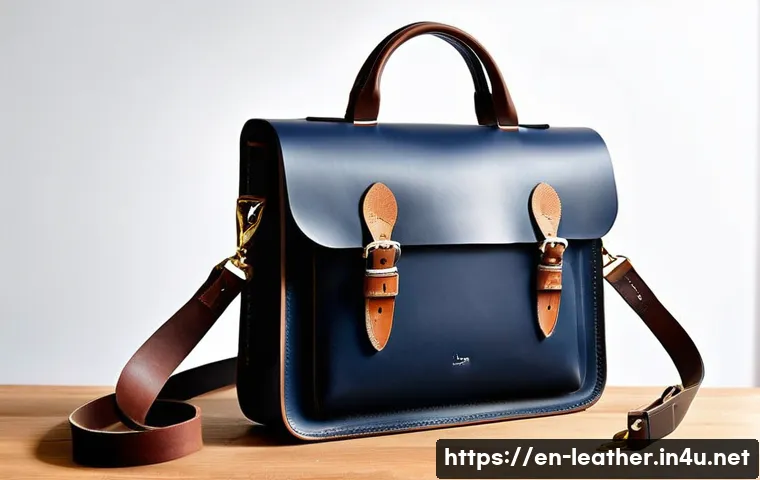
Waste not, want not – that’s a mantra I live by in my workshop, especially when it comes to leather scraps. Even after cutting main patterns, I always have a pile of smaller remnants, and instead of tossing them, I challenge myself to find creative uses. These smaller pieces are perfect for accents, patchwork designs, or even creating unique textures. I’ve designed an entire line of small accessories like keychains, cable organizers, and even tiny zipper pulls, all made from what would otherwise be considered waste. Sometimes, I’ll combine various colored scraps to create a mosaic-like pattern for a journal cover or a small pouch, which not only looks fantastic but also celebrates the diversity of the materials. It’s a fantastic way to experiment with different leather types and colors without committing to a large hide. This approach not only minimizes my environmental footprint but also allows me to maximize the value from every piece of leather I acquire. It’s a testament to the versatility of the material and a joyful exercise in creative problem-solving, turning what seems like insignificant offcuts into charming, functional pieces that people love.
The Art of Dimensional Design: Beyond the Flat Surface
While flat leather goods are beautiful, there’s an entirely different level of artistry when you start exploring dimensional design. This is where leather truly comes alive, transforming from a two-dimensional hide into a sculptural form. I’ve always been fascinated by how leather can be molded, shaped, and carved to create pieces that have depth, texture, and a tangible presence. It’s a more advanced technique, requiring a deep understanding of leather properties, but the results are incredibly rewarding. My journey into dimensional design began with simple wet-forming, creating small trays or cases that held their shape without internal support. The process felt almost magical – taking a flat piece of wet leather and coaxing it into a sturdy, three-dimensional object. From there, I ventured into more complex projects, like sculpted masks, intricate floral embellishments, and even small leather sculptures. It’s a continuous learning curve, experimenting with different types of leather, various molding techniques, and specialized tools. The challenge lies in visualizing the final form and then carefully planning the cuts and shaping processes to achieve it. It’s less about stitching pieces together and more about coaxing the material to become something new. When you hold a piece that has been skillfully formed, you can feel the effort, the intention, and the artistry that went into its creation, and that’s a truly captivating experience for both the maker and the observer.
Wet-Forming and Molding for Unique Shapes
Wet-forming is one of my favorite techniques for adding dimension to leather. It involves soaking vegetable-tanned leather in water until it’s pliable, then pressing or stretching it over a form until it dries and holds its new shape. The possibilities are endless – from small, rigid catch-all trays for keys and coins to custom-fitted cases for spectacles or electronic devices. I’ve spent countless hours carving wooden forms or even repurposing existing objects to use as molds. The key is patience; the leather needs to dry slowly and thoroughly to maintain its integrity and shape. I love the organic imperfections that sometimes arise, as they give each molded piece a unique character. I once created a series of small, sculpted bird figures using this technique, and the way the leather took on the delicate contours of the feathers was truly enchanting. It’s a process that allows the leather to express its natural elasticity and memory, resulting in pieces that are both structurally sound and visually compelling. The beauty of wet-forming is that it transforms the flat hide into a piece that has volume and presence, almost like a piece of pottery, but with the warmth and feel of leather.
Carving and Tooling: Adding Texture and Depth
Beyond molding, carving and tooling are fantastic ways to add intricate details and a sense of depth to leather surfaces. This traditional art form involves using specialized tools to depress and shape the leather fibers, creating patterns, images, or textures. I started with simple geometric patterns, then slowly moved on to more complex floral motifs and even narrative scenes. It’s a meticulous process that requires a steady hand and a good eye, but the results are incredibly impactful. The interplay of light and shadow on a deeply carved surface brings the leather to life. I particularly enjoy working on custom journal covers or belt designs, where I can tell a story or embed a specific symbol through intricate tooling. The contrast between the smooth, uncarved areas and the textured, tooled sections creates a wonderful tactile experience. While it demands a lot of practice to master, the ability to sculpt images directly onto the leather with just a few tools feels incredibly empowering. It truly showcases the versatility of leather as an artistic medium, allowing for details that would be impossible with just cutting and stitching.
Fusing Old-World Charm with Modern Aesthetics
One of the most exciting design spaces in leather crafting, for me, is the intersection of tradition and modernity. It’s about respecting the time-honored techniques and classic forms of leatherwork while infusing them with a fresh, contemporary sensibility. I’ve always been drawn to vintage leather goods – the craftsmanship, the quality of the materials, the stories they tell. But sometimes, those designs can feel a bit dated for today’s fast-paced world. My goal is to capture that old-world charm – the robust stitching, the rich patinas, the durability – and marry it with clean lines, functional updates, and a minimalist aesthetic that appeals to modern tastes. It’s a delicate dance, finding that sweet spot where heritage meets innovation. I recall my first attempt at redesigning a classic doctor’s bag; I loved the shape but wanted to make it more streamlined and add modern organizational features like a laptop sleeve. It required a lot of sketching and prototyping, figuring out how to maintain the iconic structure while updating its practicality. The result was a bag that felt both timeless and current, a true hybrid. This fusion allows me to create pieces that feel familiar and comforting, yet entirely relevant and exciting. It’s about honoring the past while confidently stepping into the future of design, proving that true craftsmanship never goes out of style, it just evolves.
Reinterpreting Classic Designs for Contemporary Lifestyles
Taking inspiration from historical leather pieces and giving them a contemporary twist is a favorite pastime of mine. Think of a classic satchel, for example. While its general form is enduring, modern updates could include a quick-release magnetic closure instead of fiddly buckles, or a dedicated, padded sleeve for a laptop. I often look at archival photos of vintage bags, briefcases, or accessories and then imagine how I would adapt them for someone living in a bustling city today. What materials would I use? What colors? Would I simplify the hardware? My aim is to strip away anything that feels overly ornate or cumbersome, while retaining the essence of what made the original design special. It’s about creating pieces that have that familiar, reassuring feel of something well-made and time-tested, but with the streamlined functionality and aesthetic that today’s discerning consumer expects. This approach allows me to create pieces that evoke nostalgia but are perfectly suited for modern life, truly offering the best of both worlds in terms of style and utility. It’s like bringing a classic car up to modern safety and performance standards without losing its iconic charm.
Blending Traditional Techniques with Innovative Materials
Another exciting aspect of this fusion is combining traditional leatherworking techniques with innovative materials or unexpected pairings. Imagine using classic saddle stitching – a incredibly strong and durable hand-stitching method – on a piece crafted from a modern, subtly iridescent or waterproof leather. Or employing intricate leather carving techniques on a piece that also incorporates high-tech fabrics or carbon fiber accents for added strength and lightness. I’ve been experimenting with subtle laser etching on traditionally dyed leathers, creating patterns that look hand-tooled but have a precision that only technology can achieve. It’s about pushing the boundaries of what leather craft can be, without abandoning the foundational skills that define it. The contrast between the old and the new often creates the most compelling designs, sparking conversations and challenging preconceptions about what’s possible. This willingness to experiment, to respectfully break a few rules, is what keeps the craft vibrant and relevant, ensuring that leather goods continue to evolve and captivate new generations of enthusiasts who appreciate both heritage and forward-thinking design.
| Design Element Category | Traditional Approach | Modern / Innovative Approach | Key Benefits of Modern Approach |
|---|---|---|---|
| Color Palette | Earth tones (brown, black, tan) | Vibrant hues, metallic finishes, multi-color combinations | Increased personalization, statement pieces, broader appeal |
| Form & Structure | Boxy, rigid, complex closures | Minimalist, soft silhouettes, magnetic closures, wet-formed curves | Sleek aesthetic, ease of use, lighter weight, unique shapes |
| Texture & Finish | Smooth, matte, traditional grain | Pebbled, embossed, hair-on, distressed, mixed materials (e.g., fabric, metal) | Tactile interest, unique visual appeal, durability in some cases |
| Functionality | Basic compartments, single purpose | Integrated tech features (charging, smart pockets), modular design, convertible uses | Enhanced convenience, adaptability to modern needs, smarter organization |
| Personalization | Initials, classic monograms | Custom artwork, laser engraving, hidden messages, memory-evoking details | Deeper emotional connection, unique storytelling, highly bespoke items |
Wrapping Things Up
Whew, what a journey through the incredible world of leather crafting! From the serene elegance of minimalism to the vibrant joy of playful palettes, the backbone of functional design, the profound stories told through each stitch, the eco-conscious shift towards sustainability, and the breathtaking artistry of dimensional design, it’s truly a craft that offers endless avenues for creativity and connection. My hope is that this deep dive has sparked some inspiration in you, whether you’re a fellow maker, an aspiring enthusiast, or simply someone who appreciates the beauty of a well-made leather piece. It’s more than just leather; it’s about passion, purpose, and creating something that truly resonates. I find immense satisfaction in every piece I bring to life, knowing it carries a part of that journey with it.
Useful Information to Know
1. Always invest in quality leather when possible. Full-grain and top-grain leathers not only look better but also develop a rich, unique patina over time, telling the story of their life with you. It’s an investment that truly pays off in longevity and character.
2. Don’t be afraid to personalize your leather goods. Whether it’s a simple monogram, a custom engraving, or even a unique color combination, these personal touches transform an item from just an accessory into a cherished heirloom. Make it truly yours!
3. Proper care for your leather items goes a long way. Regularly conditioning your leather can prevent it from drying out and cracking, extending its life and maintaining its supple feel. A little care here and there makes a huge difference.
4. Embrace the imperfections that come with handcrafted items and natural leather. These aren’t flaws, but rather unique characteristics that add to the charm and individuality of each piece. It’s what makes your item one-of-a-kind!
5. Consider the functionality of a leather piece before you buy. Think about how it fits into your daily routine and whether it truly serves your needs. A beautiful item that’s also incredibly practical is always a winner in my book.
Key Takeaways
Ultimately, leather crafting is a vibrant and evolving art form that balances tradition with innovation, creating pieces that are both beautiful and deeply personal. It’s about thoughtful design, choosing quality materials, and infusing each item with a narrative that connects with its owner. Whether through minimalist elegance, bold expressions, smart functionality, or a commitment to sustainable practices, the true magic lies in the intention and care poured into every cut, stitch, and finish. These aren’t just objects; they are expressions of artistry, designed to endure and enrich our lives, one beautifully crafted piece at a time. The story of leather continues to unfold with every person who appreciates its unique charm.
Frequently Asked Questions (FAQ) 📖
Q: How can I break through a creative block when I’m staring at a beautiful piece of leather with no design ideas?
A: Oh, I totally get that feeling! It’s like your mind just goes blank right when you want it to be most vibrant. I’ve been there so many times, staring at a gorgeous hide and feeling that little whisper of creative paralysis.
What I’ve found that really helps is to step away for a bit, even just for a walk or to clear my head with something totally unrelated. Sometimes, a fresh perspective is all you need.
Then, when I come back, I try a few things. First, I don’t aim for perfection right away. I’ll grab some scrap leather or even just a sketchbook and start doodling, cutting simple shapes, or experimenting with basic techniques like dyeing or stamping without any pressure.
Remember, those “bad ideas” are just stepping stones! I also love looking for inspiration outside of traditional leathercraft – think architecture, nature, or even other crafts.
Sometimes seeing how colors or textures are used in a completely different context can spark something truly unique for leather. And if you’re really stuck, try setting a tiny goal, like “I’m just going to try two different stitch patterns today” or “I’ll experiment with one new dye color.” It breaks down the overwhelming feeling into manageable, fun steps, and before you know it, you’re back in the flow!
Q: What are some current trends in leather design that can help my pieces stand out in a crowded market?
A: That’s a fantastic question, and it’s something I’m always thinking about to keep my own work fresh! The market truly appreciates uniqueness these days, so leaning into trends that allow for personalization is key.
One huge trend I’ve noticed is the rise of customization. People really want items that reflect their personal style, whether that’s through monogramming, choosing unique color combinations, or intricate laser engraving.
I’ve had great success offering these kinds of bespoke touches. Also, innovative finishes and treatments are really making waves – think water-resistant or even scratch-resistant leathers, or experimenting with natural dyes that offer a wider range of eco-friendly hues.
Don’t be afraid to play with texture, too! Contrasting thread colors can make a huge statement, drawing attention to your stitching and adding a modern, graphic feel.
I’ve personally found that mixing materials, like adding metal accents or even subtle embroidery, can elevate a piece from “nice” to “wow.” It’s all about finding that unexpected detail that catches the eye and tells a story beyond just the leather itself.
Q: How can I incorporate sustainability and ethical practices into my leather crafting designs and sourcing?
A: I’m so glad you asked about this because it’s something I’m incredibly passionate about! In today’s crafting world, ethical and sustainable practices aren’t just buzzwords; they’re essential for building a truly respected brand.
For me, it starts with sourcing. I always strive to find leather that’s a byproduct of the food industry, ensuring that no animals are raised solely for their hides.
Vegetable-tanned leather is a game-changer here, as it uses natural plant-based substances instead of harsh chemicals like chromium, which is much kinder to the environment.
Another fantastic approach is embracing zero-waste design. This means really getting creative with every scrap of leather, repurposing remnants, or even upcycling old leather garments into new, beautiful pieces.
I’ve found that not only does this reduce waste, but it often leads to incredibly unique, one-of-a-kind designs that customers absolutely adore. Transparency in your supply chain is also vital; being able to tell your customers exactly where your materials come from and how they’re processed builds immense trust and strengthens your reputation.
It’s a bit more effort, but knowing you’re creating something beautiful and responsible? That’s priceless.