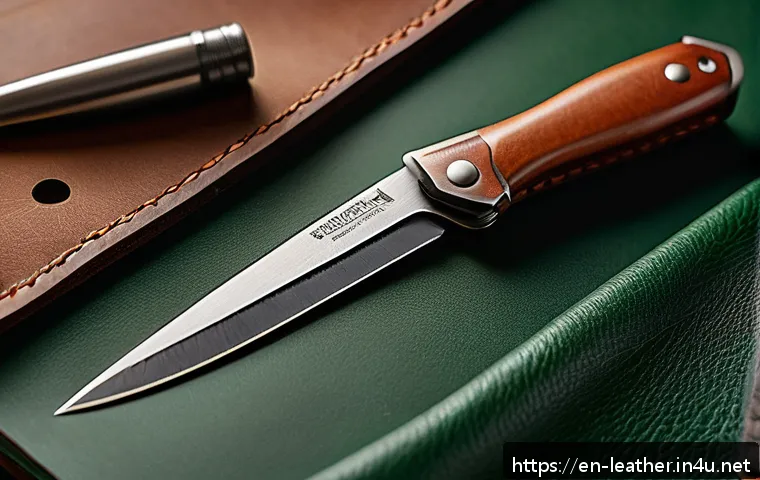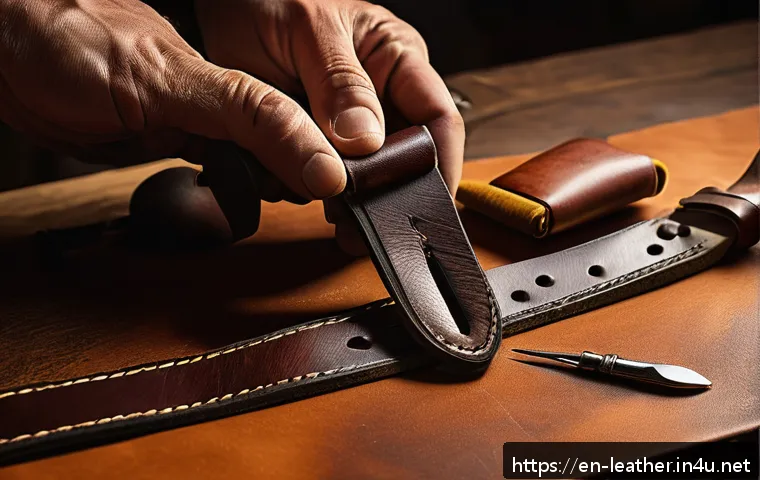
In today’s fast-paced world, the art of leather craftsmanship is experiencing a fascinating crossroads between time-honored traditions and cutting-edge innovations.
As more artisans and enthusiasts explore sustainable materials and advanced techniques, the balance between preserving heritage and embracing modern tools becomes crucial.
Whether you’re a seasoned leatherworker or simply curious about this timeless craft, understanding how these two approaches coexist can deepen your appreciation and inspire your next project.
Stick around as we dive into the rich history and exciting future of leather craftsmanship, revealing insights that might just transform the way you see this enduring art form.
The Revival of Classic Leatherworking Techniques in Modern Times
Hand-Stitching: The Soul of Durability and Style
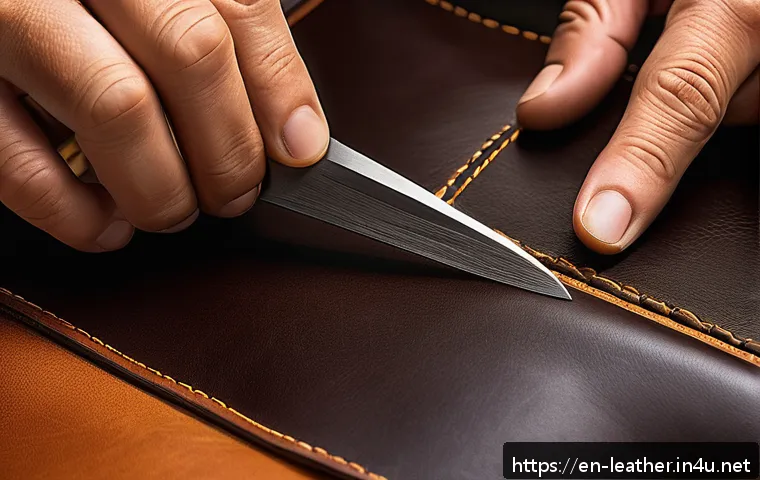
Hand-stitching remains the heartbeat of traditional leathercraft, and for good reason. Unlike machine stitching, which can sometimes feel cold or generic, hand-stitching offers a unique, personal touch that carries the maker’s personality in every stitch.
When I first tried stitching by hand, I realized how much patience and care it demands. Each stitch must be precise, consistent, and strong to ensure the leather piece can withstand daily wear.
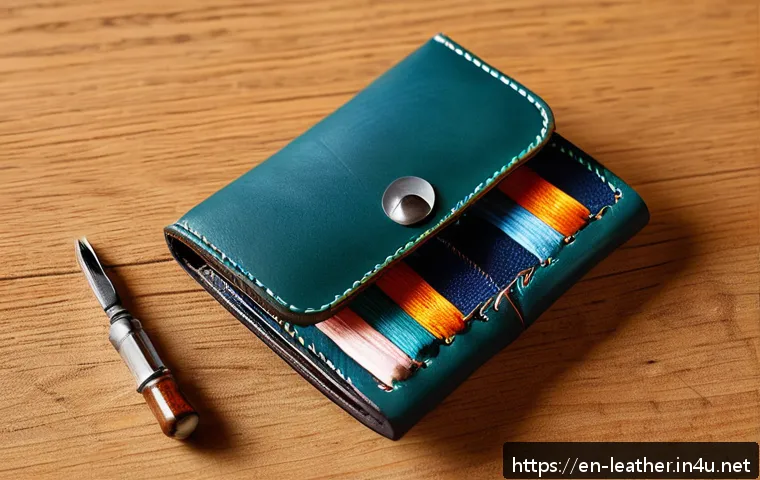
This technique often uses waxed thread and a saddle stitch method, which locks every stitch tightly to prevent unraveling. Beyond durability, hand-stitching adds a tactile, artisanal feel that elevates even the simplest wallet or belt into a keepsake.
It’s a labor-intensive process, but the result is a product that tells a story—a story of skill, tradition, and pride.
Vegetable Tanning: Nature’s Gift to Leather Longevity
Vegetable tanning is a centuries-old method that uses tannins extracted from tree bark, leaves, and other plant materials to cure leather. What fascinates me about this process is how it connects us directly to nature, producing leather that ages beautifully over time.
Unlike chrome tanning, which speeds up production but can sometimes compromise environmental safety, vegetable tanning creates a leather that develops a rich patina as it’s handled and exposed to sunlight.
This patina not only enhances the aesthetic but also reflects the journey of the leather’s life with its owner. The slow tanning process, often taking several weeks, requires a craftsman’s patience, but it results in a product that feels alive and authentic—something you simply can’t get with synthetic alternatives.
Tooling and Carving: Adding Personality through Artistry
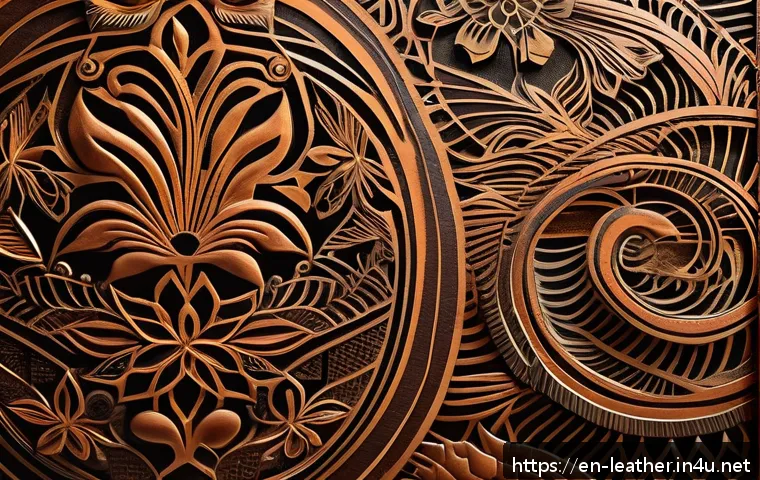
One of the most captivating aspects of traditional leatherwork is the art of tooling and carving. This involves impressing or cutting intricate designs into the leather surface using specialized hand tools.
From floral motifs to custom monograms, tooling transforms plain leather into a personal statement. I remember the first time I tried carving; the control and pressure required to create clean lines were challenging but incredibly rewarding.
Each piece becomes a small canvas, capturing the artisan’s creativity and skill. This method requires not only technical ability but also an artistic eye, making every leather item uniquely expressive.
Embracing Technological Advancements in Leathercraft
Laser Cutting and Engraving: Precision Meets Creativity
Technology has introduced a new dimension to leatherworking through laser cutting and engraving. This method uses focused laser beams to cut or etch intricate patterns with incredible accuracy, allowing for designs that would be painstaking or impossible by hand.
When I saw my first laser-cut leather piece, I was amazed at the clean edges and delicate details achievable in minutes. This technology opens doors to mass customization, enabling artisans and brands to offer personalized products with speed and consistency.
However, it’s important to balance this with traditional techniques to maintain that handcrafted charm customers crave.
3D Printing and Mold Making for Leather Accessories
3D printing has started to influence leathercraft by enabling the creation of custom molds and tools that shape leather in innovative ways. By designing molds digitally, artisans can experiment with complex forms and textures, pushing the boundaries of what’s possible with leather.
I recently collaborated with a designer who used 3D-printed molds to create geometric leather accessories that had a futuristic yet natural feel. This fusion of digital design and tactile material opens exciting possibilities for product development, especially in fashion and home decor where unique shapes can set a brand apart.
Eco-Friendly Synthetic Alternatives: Balancing Innovation and Sustainability
With growing awareness around sustainability, the leather industry has seen a rise in eco-friendly synthetic alternatives like mushroom leather, pineapple leather (Piñatex), and lab-grown leather.
While these materials are not traditional leather, their innovative production methods reduce environmental impact significantly. I’ve tried accessories made from Piñatex, and while the texture differs slightly from animal leather, the durability and aesthetic are surprisingly comparable.
These alternatives offer a promising path forward for consumers who want the look and feel of leather but with a reduced carbon footprint, representing a thoughtful intersection of tradition and innovation.
Choosing the Right Leather for Your Project
Full-Grain vs. Top-Grain: What’s the Difference?
Selecting the right type of leather is crucial for the outcome and longevity of your project. Full-grain leather is prized for its natural surface and strength, retaining the original grain of the hide.
It ages beautifully, developing a unique patina, but it also tends to be thicker and requires more care. Top-grain leather, on the other hand, is sanded and treated to remove imperfections, resulting in a smoother surface that’s easier to work with and more resistant to stains.
However, it doesn’t develop the same rich patina as full-grain. In my experience, full-grain works best for items like belts and bags that benefit from durability and character, while top-grain suits wallets and accessories where a sleek finish is preferred.
Understanding Leather Weights and Thickness
Leather thickness, measured in ounces, affects how the material behaves during crafting and in daily use. For example, lightweight leather (2-3 oz) is flexible and suitable for garments or small accessories, while heavyweight leather (6-8 oz and above) is ideal for belts, saddles, and durable bags.
When I started out, I often underestimated the importance of thickness, resulting in projects that either felt flimsy or were too stiff to use comfortably.
Matching the leather weight to the intended function ensures not only usability but also longevity and comfort.
How Tanning Methods Affect Leather Performance
The tanning process influences leather’s texture, color, and resistance to water and wear. Chrome-tanned leather is soft and pliable, making it popular for fashion items, but it doesn’t age as gracefully as vegetable-tanned leather.
Vegetable-tanned leather, while stiffer initially, becomes more supple and characterful over time. I noticed that vegetable-tanned leather also responds better to conditioning and repairs, which is a big plus for anyone looking to maintain their pieces for years.
Choosing between these tanning methods depends largely on the desired look, feel, and durability.
Blending Old and New: Crafting Techniques that Fuse Tradition with Innovation
Hybrid Stitching: Combining Hand and Machine Precision
One of the clever ways artisans are merging tradition with technology is through hybrid stitching. This involves using machines for the initial seams to ensure speed and uniformity, followed by hand-stitching key areas for reinforcement and aesthetic detail.
When I applied this method, I found it struck a perfect balance: the efficiency of modern tools with the authentic touch of handcrafting. This approach is especially useful for small businesses or hobbyists who want to scale production without sacrificing quality.
Digital Design Meets Handcraft: Using Software for Pattern Making
Digital design software like Adobe Illustrator or specialized leathercraft CAD programs allows artisans to draft precise patterns before cutting. This minimizes material waste and accelerates prototyping.
I remember how daunting pattern making was before I started using digital tools—mistakes were costly and time-consuming. Now, I can experiment with shapes and sizes on the screen, print templates, and then bring them to life with traditional cutting and stitching.
This synergy between digital planning and manual execution enhances both creativity and efficiency.
Eco-Conscious Finishing: Natural Dyes and Treatments in a Modern Workshop
Finishing touches like dyeing and waterproofing have also evolved, with many artisans returning to natural, plant-based dyes that are safer for the environment and the maker.
I’ve experimented with walnut hull dye and indigo, and while these take longer to apply and cure than chemical dyes, the results are stunningly rich and unique.
Combining these natural finishes with modern water-repellent treatments creates leather goods that are both beautiful and practical, ready for everyday wear without compromising sustainability.
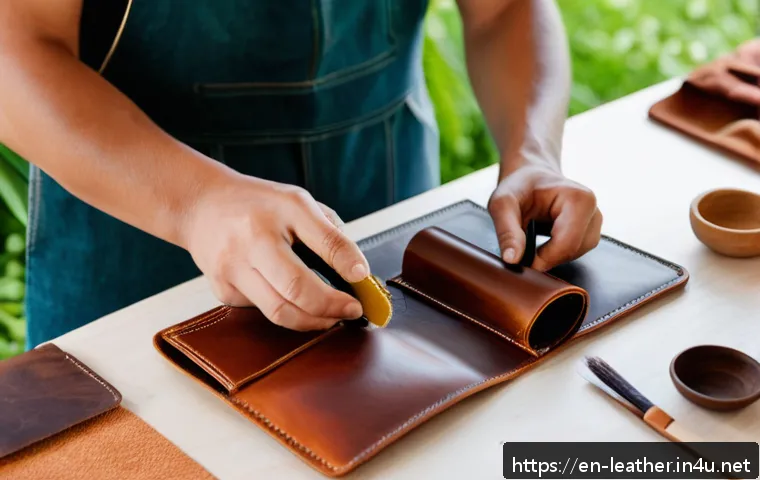
Tools of the Trade: From Classic Hand Tools to Smart Devices
Essential Hand Tools Every Leatherworker Should Own
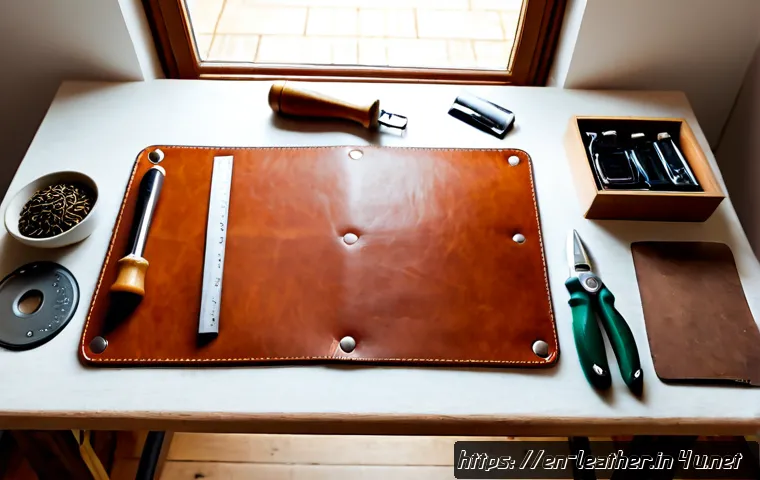
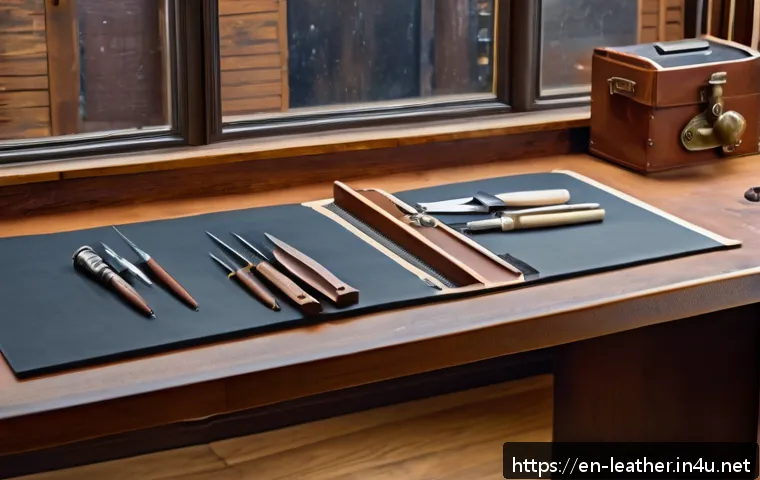
Despite all the technological advancements, some tools remain indispensable. Awls, bevelers, edge slickers, and mallets are the backbone of any leathercraft workshop.
When I first assembled my tool kit, I underestimated the importance of quality—cheap tools often broke or dulled quickly, making work frustrating. Investing in well-made hand tools not only improves precision but also makes the crafting process more enjoyable.
These tools connect you directly to the material, offering tactile feedback that no machine can replicate.
Power Tools and Their Role in Modern Leathercraft
Power tools like rotary cutters, electric edge bevelers, and sewing machines have revolutionized efficiency in leatherwork. For instance, electric sewing machines designed for heavy materials significantly reduce stitching time, allowing artisans to focus more on design and finishing touches.
I’ve found that integrating these tools into my workflow speeds up production without compromising quality, provided I use them judiciously. Overreliance, however, can strip away the handmade essence, so it’s about finding the right balance.
Smart Devices and Apps for Leatherworkers
The digital age has brought helpful apps for pattern design, inventory management, and even virtual workshops. I use a combination of smartphone apps to track materials, calculate costs, and learn new techniques through video tutorials.
These tools have made the craft more accessible and manageable, especially for those running small leather businesses or juggling projects alongside other commitments.
Technology is not just about machines; it’s also about smart organization and continuous learning.
Material Sourcing and Sustainability in Leathercraft
Ethical Leather Sourcing: What to Look For
More than ever, consumers and makers care about where their leather comes from. Ethical sourcing means selecting leather from suppliers who adhere to responsible animal welfare practices and environmental standards.
I always check for certifications or traceability information when purchasing hides. Supporting tanneries that implement waste reduction and water recycling aligns with my values and appeals to customers who want to make conscientious choices.
Knowing the story behind the leather adds depth and meaning to each creation.
Upcycling and Repurposing Leather Scraps
Waste reduction is a hot topic in all crafts, and leatherwork is no exception. Many artisans now use leftover scraps to create smaller items like keychains, patches, or jewelry.
I’ve found that upcycling not only minimizes waste but also sparks creativity—turning what might be discarded into charming, one-of-a-kind pieces. This practice makes the most out of every hide and reduces environmental impact, which is increasingly important to consumers.
The Rise of Vegan Leather and Its Impact on Traditional Craft
Vegan leather alternatives, made from materials like cork, apple peels, or recycled plastics, are gaining popularity. While not leather in the strict sense, they offer new textures and ethical appeal.
I’ve experimented with some of these materials and noticed they require different handling techniques, such as specific adhesives or sewing methods. The rise of vegan leather challenges traditional crafters to innovate and expand their skill sets while addressing ethical concerns in fashion and accessories.
Maintaining and Caring for Leather in a Modern Lifestyle
Routine Cleaning and Conditioning for Longevity
Leather care is essential to preserve both appearance and durability. Regular cleaning with gentle, leather-specific products followed by conditioning keeps the material supple and prevents cracking.
In my daily routine, I apply a natural leather conditioner every few months, especially to items exposed to sun or moisture. This simple practice extends the life of my leather goods and maintains their rich texture.
Neglecting care, I’ve noticed, leads to premature wear and dullness that no amount of repair can fully reverse.
Repair Techniques: From DIY Fixes to Professional Restoration
Leather can be surprisingly resilient with the right repairs. Small scratches, scuffs, or loose stitches can often be fixed at home with a bit of patience and the right tools.
I’ve patched holes using leather glue and carefully restitched seams to save favorite items from the trash. For more serious damage, professional restoration can bring vintage pieces back to life, preserving their character while reinforcing structure.
Knowing when to DIY and when to seek expert help is key to maintaining leather’s timeless appeal.
Adapting Care Practices for Modern Leather Alternatives
Caring for synthetic or alternative leathers differs from traditional leather. Many vegan leathers are more resistant to water but can be sensitive to heat or certain chemicals.
I’ve learned to read manufacturer instructions carefully and test products on small areas before full application. This attentiveness ensures longevity and keeps the material looking fresh.
Adapting care routines to fit new materials helps embrace innovation without sacrificing quality or appearance.
| Technique/Material | Traditional Benefits | Modern Advantages | Challenges |
|---|---|---|---|
| Hand-Stitching | Durability, Personal Touch, Unique Patina | Artisanal Appeal, Reinforcement with Machine Pre-Stitching | Time-Consuming, Requires Skill |
| Vegetable Tanning | Eco-Friendly, Ages Beautifully, Natural Patina | Combination with Modern Finishes, Sustainability | Long Processing Time, Stiffer Initially |
| Laser Cutting | N/A (New Technology) | Precision, Speed, Complex Designs | Loss of Handmade Feel, Equipment Cost |
| Eco-Friendly Alternatives | N/A (New Materials) | Reduced Environmental Impact, Ethical Appeal | Different Handling, Texture Variations |
| Digital Pattern Making | Traditional Drafting Skills | Accuracy, Waste Reduction, Easy Modification | Learning Curve, Access to Software |
In Conclusion
Reviving classic leatherworking techniques alongside modern innovations creates a vibrant blend of tradition and progress. Each method, from hand-stitching to laser cutting, brings unique value that enriches the craft. By embracing both old and new, artisans can produce leather goods that are not only durable but also deeply personal and environmentally conscious. This fusion ensures leathercraft remains relevant and inspiring in today’s world.
Helpful Information to Remember
1. Hand-stitching provides unmatched durability and a personal touch but requires patience and skill.
2. Vegetable tanning creates leather that ages beautifully and is eco-friendly, though it takes longer to process.
3. Modern technologies like laser cutting and 3D printing offer precision and creative freedom while balancing tradition is key.
4. Choosing the right leather type and thickness is essential for the functionality and longevity of your project.
5. Proper care and maintenance extend the life of both traditional and synthetic leather products.
Key Takeaways
Understanding the balance between traditional craftsmanship and modern technology is crucial for success in leatherworking. Prioritizing ethical sourcing and sustainability enhances the value and appeal of leather goods. Investing in quality tools and adapting to new materials can improve both the creative process and product durability. Ultimately, thoughtful care and repair practices preserve the timeless beauty and functionality of leather items, ensuring they continue to tell their unique stories for years to come.
Frequently Asked Questions (FAQ) 📖
Q: How are traditional leatherworking techniques being preserved in today’s modern crafting environment?
A: Traditional leatherworking techniques are being preserved through a combination of dedicated artisans who pass down their skills via apprenticeships and workshops, as well as digital platforms that document and share these methods worldwide.
Many craftsmen blend hand-stitching, tooling, and vegetable tanning with modern tools to maintain authenticity while improving efficiency. From my own experience attending local leathercraft classes, the emphasis on hands-on skill remains strong, even as we incorporate power tools and laser cutters to refine details without losing the soul of the craft.
Q: What sustainable materials and innovations are shaping the future of leather craftsmanship?
A: The future of leather craftsmanship is increasingly influenced by eco-friendly alternatives such as plant-based leathers made from pineapple leaves, mushrooms, and recycled materials.
Innovations like waterless tanning processes and biodegradable finishes reduce environmental impact, which resonates deeply with today’s conscious consumers.
Personally, experimenting with mushroom leather opened my eyes to how sustainability doesn’t mean compromising quality or aesthetics—it actually pushes artisans to rethink design and durability in exciting ways.
Q: Can beginners successfully combine traditional and modern leatherworking methods in their projects?
A: Absolutely! Beginners often find that starting with traditional techniques like cutting, stitching, and edge finishing builds a solid foundation, while gradually introducing modern tools such as electric punches or sewing machines enhances precision and speed.
From my own trial and error, mixing old-school handcrafting with contemporary equipment not only makes the process more enjoyable but also yields professional-looking results faster.
The key is to stay patient and embrace learning both worlds—it’s a rewarding journey that connects you to the craft’s rich history and its innovative future.