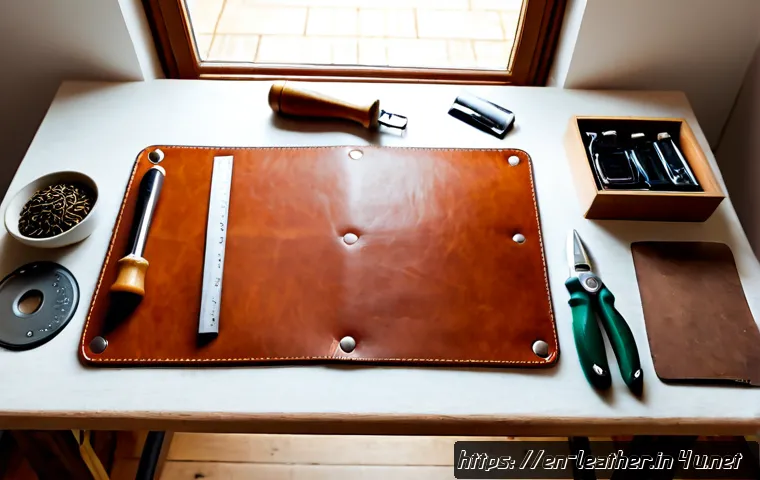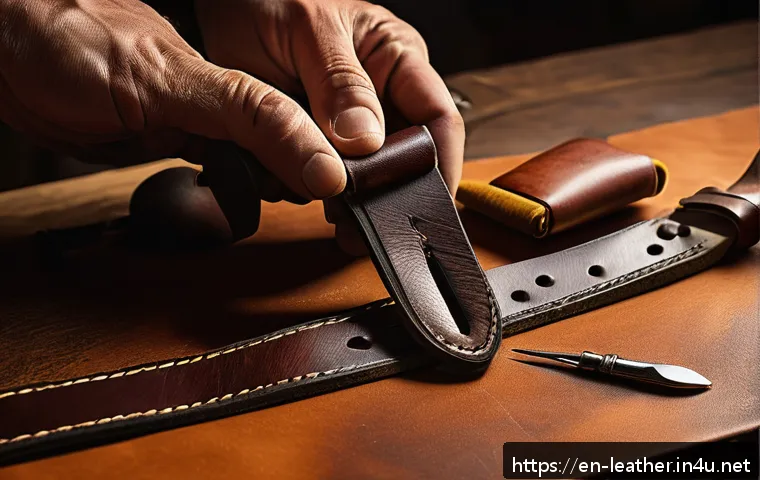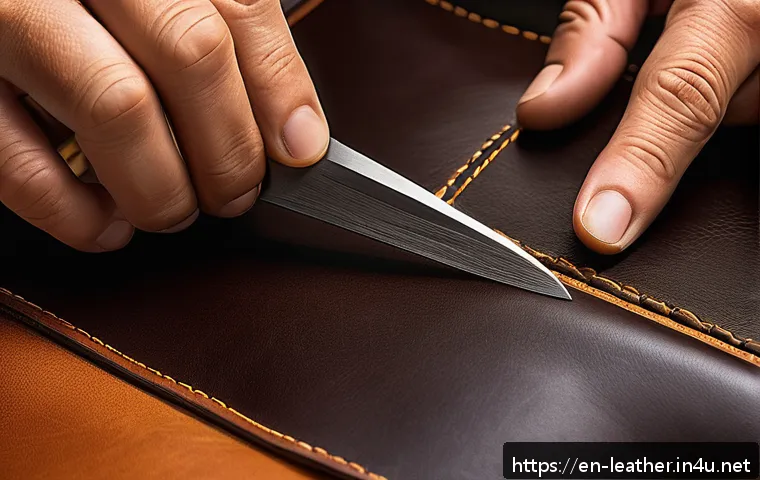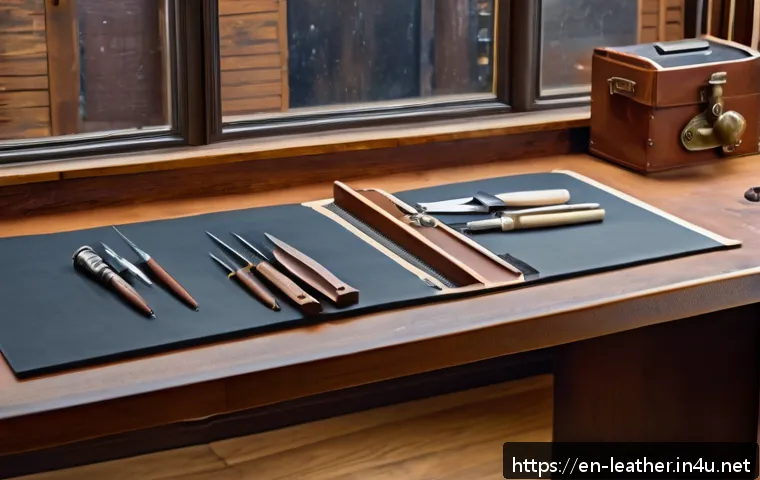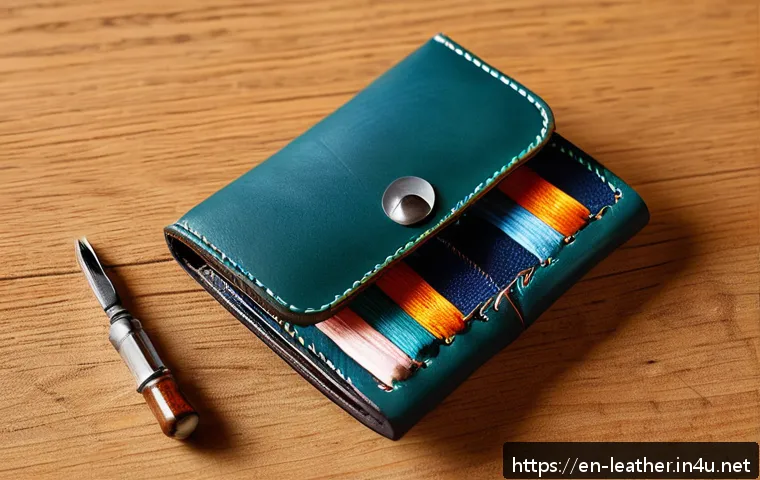
Lately, the resurgence of handmade crafts has inspired many to explore leathercraft as a rewarding creative outlet. If you’ve ever admired the timeless elegance of leather goods and wondered how to start, you’re in the right place.
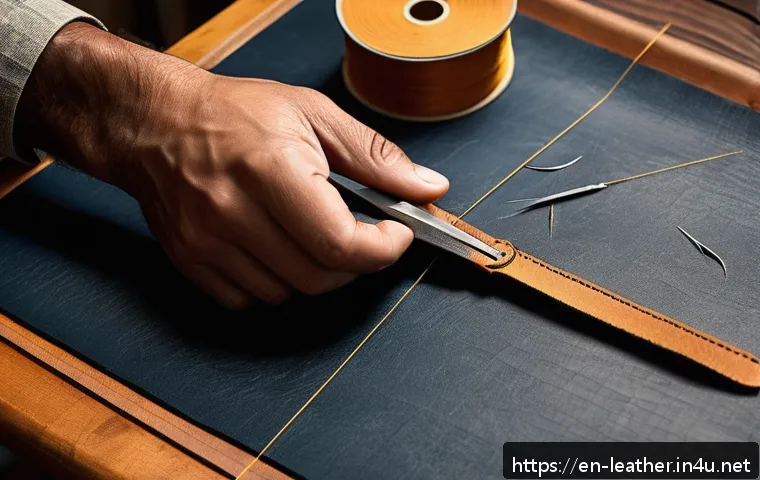
Mastering the essential leathercraft tools is the first step toward turning raw materials into stunning, durable pieces. Whether you’re aiming to make wallets, belts, or custom accessories, knowing your tools inside out can make all the difference.
Let’s dive into the must-have tools every beginner should have to embark confidently on this artistic journey. By the end, you’ll feel ready to craft your own leather masterpieces with skill and passion.
Understanding the Building Blocks of Leatherwork
Choosing the Right Cutting Tools
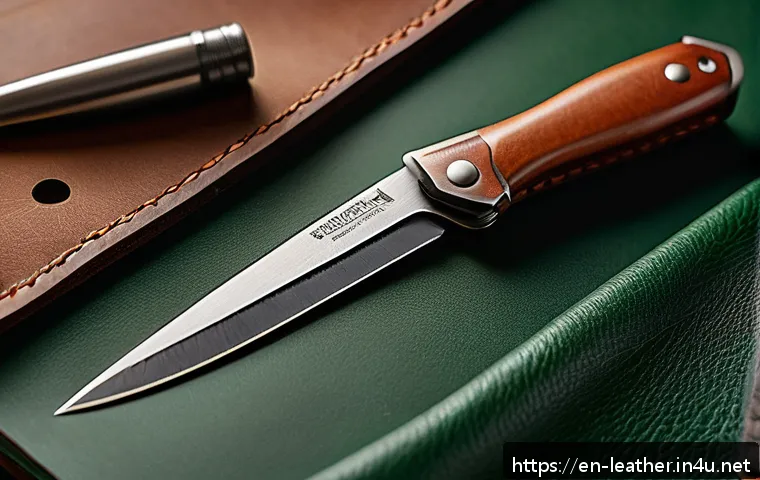
When starting leathercraft, the precision of your cuts sets the foundation for every project. A sharp, durable knife or rotary cutter is essential for clean edges and accurate shapes.
I remember my first project where I struggled with a dull blade, which led to jagged edges and frustration. Investing in quality cutting tools like a swivel knife or a utility knife with replaceable blades really pays off.
These tools allow you to slice through thick leather smoothly, reducing wasted material and enhancing the overall finish of your piece. Pairing your knife with a sturdy cutting mat protects your work surface and keeps blades sharper longer.
Marking and Measuring for Accuracy
Leathercraft demands precision, so having reliable marking and measuring tools is crucial. I always use a steel ruler combined with a wing divider or a scratch awl to mark stitching lines and cut guides.
Unlike pencils, these tools leave subtle impressions on the leather without damaging the surface, making them perfect for outlining complex designs. My experience taught me that relying on makeshift measuring often leads to uneven stitching and misaligned parts, which is why I emphasize getting familiar with these measuring aids early on.
Essential Punches and Hole Tools
Creating holes for stitching or hardware installation requires specialized punches. From round hole punches to oblong slots, each serves a distinct purpose.
Initially, I underestimated the importance of these tools and tried to improvise with nails or awls, which resulted in inconsistent holes and weakened seams.
Investing in a set of quality hole punches with interchangeable sizes ensures that your holes are clean and evenly spaced, which not only improves aesthetics but also strengthens your finished product.
Mastering the Art of Stitching and Assembly
Understanding Stitching Tools
Stitching is where your leatherwork truly comes to life, and having the right tools can make or break this stage. I prefer using stitching chisels or pricking irons to punch evenly spaced holes before threading needles through.
These tools help maintain consistent tension and stitch length, giving your projects a professional look. I recall the difference in my early belts where uneven stitches made the piece look amateurish compared to later ones where proper hole spacing elevated the design.
Thread and Needle Selection
Choosing the correct thread and needles is just as important as the tools that create holes. Waxed polyester thread is popular for its durability and water resistance, while linen thread offers a traditional feel.
For needles, harness needles with a sharp, triangular tip are my go-to because they pass through leather smoothly without excessive force. Using the wrong thread or needle often leads to breakage or uneven stitching, so experimenting with different types will help you find your ideal match.
Finishing Tools for a Polished Look
After stitching, finishing your leather edges and surfaces is key to creating a refined product. Edge bevelers smooth out sharp corners, while burnishers help seal edges for a glossy, professional finish.
I found that using a slicker and beeswax-based edge dressing not only enhances appearance but also adds longevity by protecting against moisture and wear.
Skipping these steps can leave your projects looking raw and unfinished, so embracing finishing tools elevates your craftsmanship.
Essential Hardware and Accessories for Customization
Types of Hardware You’ll Need
Hardware like buckles, rivets, snaps, and eyelets are more than functional components—they add character and style. When I first started, I stuck to basic buckles, but as I explored more, I realized how different hardware types influence the overall aesthetic and usability of a piece.
Choosing the right size and finish—whether brass, nickel, or antique—can complement your leather’s tone and texture beautifully.
Installation Tools for Hardware
Installing hardware properly requires specialized tools such as rivet setters, snap pliers, and mallets. These tools ensure your hardware is secured firmly without damaging the leather.
I remember struggling with a basic hammer, which sometimes crushed the leather instead of setting rivets cleanly. Investing in purpose-built tools made installation smoother and my finished products sturdier.
Customizing with Stamping and Embossing
Adding personalized designs through stamping or embossing transforms simple leather pieces into unique art. A stamping hammer and various metal stamps let you imprint initials, logos, or decorative patterns.
I enjoy this part the most because it brings my personality into every creation. It takes patience to master, but once you do, the results are incredibly rewarding and can significantly increase the value of your work.
Maintaining Your Leathercraft Tools for Longevity
Cleaning and Sharpening Blades
Keeping your cutting tools sharp and clean is vital for consistent results. I developed a routine of wiping blades after every session and using sharpening stones or strops regularly.
Dull blades not only make cutting difficult but also increase the risk of accidents. Sharp tools glide through leather effortlessly, making the process more enjoyable and precise.
Storage Tips to Protect Your Equipment
Proper storage extends the life of your tools and keeps your workspace organized. I use a dedicated toolbox with compartments to separate cutting blades, punches, and needles.
Moisture control is important too; storing tools in a dry environment prevents rust and corrosion. This habit has saved me from unexpected tool failures during crucial project stages.
Replacing Worn Parts and Consumables
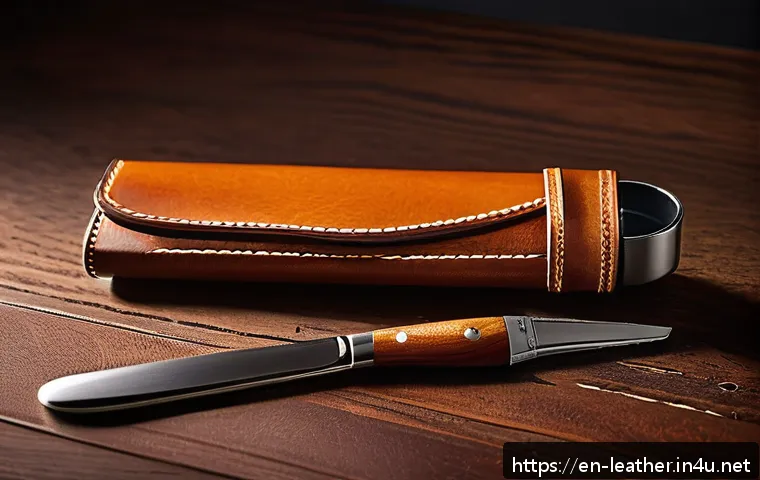
Some tools have parts that wear out with use, like blades or punch heads. Monitoring their condition and timely replacement keeps your work quality high.
I keep spare blades and punch heads on hand so I’m never caught off guard. This preparation minimizes downtime and helps maintain a smooth workflow.
Comparing Popular Leathercraft Tools and Their Uses
| Tool | Primary Use | Key Features | Recommended For |
|---|---|---|---|
| Utility Knife | Cutting leather pieces | Sharp, replaceable blades; ergonomic handle | Beginners and general cutting |
| Swivel Knife | Detailed carving and shaping | Rotating blade for curved cuts | Advanced decorative work |
| Stitching Chisel | Punching evenly spaced holes | Multiple prongs; consistent spacing | Stitching preparation |
| Edge Beveler | Smoothing and rounding edges | Curved blade; ergonomic grip | Finishing edges |
| Rivet Setter | Securing rivets | Metal tool for hammering hardware | Hardware installation |
Practical Tips for Efficient Leathercraft Workflow
Organizing Your Workspace
A clutter-free workspace dramatically improves your crafting experience. I learned that having all tools within reach and well-organized saves time and reduces mistakes.
Using magnetic strips for metal tools and small containers for threads and needles keeps everything visible and accessible.
Planning Projects Before Cutting
Sketching your design and planning cuts prevent costly errors. I always draft templates on paper or cardboard first, which helps visualize the final piece and estimate material needs.
This habit saved me from wasting expensive leather and allowed me to experiment with design adjustments early.
Practicing Patience and Consistency
Leathercraft is a skill honed over time. Rushing through steps like cutting or stitching can lead to flaws. I found that slowing down, double-checking measurements, and maintaining steady hand movements produce the best results.
Consistency in technique builds confidence and ultimately leads to beautifully crafted leather goods.
Exploring Advanced Techniques and Tools
Using a Leather Sewing Machine
For those ready to speed up production, leather sewing machines are a game changer. They handle thick layers and produce uniform stitches, but require some learning to master.
I started with hand stitching to understand the basics before transitioning, which made the switch smoother and more rewarding.
Incorporating Dyeing and Finishing Tools
Dyeing leather adds vibrancy and personality to your projects. Brushes, sponges, and airbrush tools help achieve various effects. I enjoy experimenting with different finishes, from matte to glossy, to match the intended style.
Proper application techniques are crucial to avoid blotches and ensure even color.
Exploring Tool Customization
As your skills grow, customizing tools or creating your own stamps can make your work truly unique. I designed personalized stamps for monograms and logos, which clients love.
Crafting custom tools requires patience but adds a professional touch that sets your work apart in the market.
In Conclusion
Leathercraft is a rewarding blend of creativity and precision, where the right tools and techniques make all the difference. Through careful selection and proper maintenance of your equipment, you can elevate every project from ordinary to exceptional. Patience and practice will guide you toward mastery, allowing your craftsmanship to shine. Remember, every piece you create tells a story of skill and dedication.
Helpful Tips to Keep in Mind
1. Always invest in quality cutting and stitching tools to ensure clean, precise results that enhance your work’s durability and appearance.
2. Organize your workspace effectively, keeping all essential tools within easy reach to maintain a smooth and efficient workflow.
3. Take time to plan your projects thoroughly before cutting to minimize material waste and avoid costly mistakes.
4. Regularly maintain your tools by cleaning, sharpening, and replacing worn parts to prolong their lifespan and reliability.
5. Experiment with advanced techniques like dyeing and custom stamping to add unique personal touches that set your leather goods apart.
Key Takeaways
Mastering leathercraft requires a balance of skill, the right equipment, and thoughtful preparation. Prioritize using specialized tools designed for each task to achieve consistent, professional results. Maintaining your tools and workspace not only improves efficiency but also preserves the quality of your work. Finally, embracing patience and continual learning will help you progress steadily, turning your passion into expertly crafted leather products.
Frequently Asked Questions (FAQ) 📖
Q: uestions about Essential Leathercraft ToolsQ1: What are the absolute must-have tools for someone just starting leathercraft?
A: When I first started leathercraft, I quickly learned that a few key tools make all the difference. You absolutely need a sharp utility knife or rotary cutter for clean cuts, a sturdy cutting mat to protect your surfaces, and a set of leather punches for making holes.
Additionally, a mallet, edge beveler, and stitching needles are essential for assembling and finishing your pieces. Having these basics lets you confidently tackle projects like wallets and belts without feeling overwhelmed.
Q: How do I choose the right leathercraft tools without breaking the bank?
A: I totally get wanting quality without overspending. My approach was to prioritize tools I’d use most often and invest a bit more there—like a reliable rotary cutter and durable stitching needles.
For less critical tools, I opted for budget-friendly options that still performed well. Shopping during sales or looking for starter kits is a smart way to save.
Remember, as your skills grow, you can gradually upgrade your toolkit instead of buying everything upfront.
Q: Can I use regular household tools for leathercraft, or do I need specialized equipment?
A: In a pinch, some household tools can substitute, like using a sharp kitchen knife for cutting or a hammer instead of a mallet. But from my experience, specialized leathercraft tools offer precision and ease that really elevate your work.
For example, leather punches designed specifically for different hole sizes make stitching cleaner and faster. Investing in dedicated tools not only improves your results but also makes the crafting process more enjoyable and less frustrating.