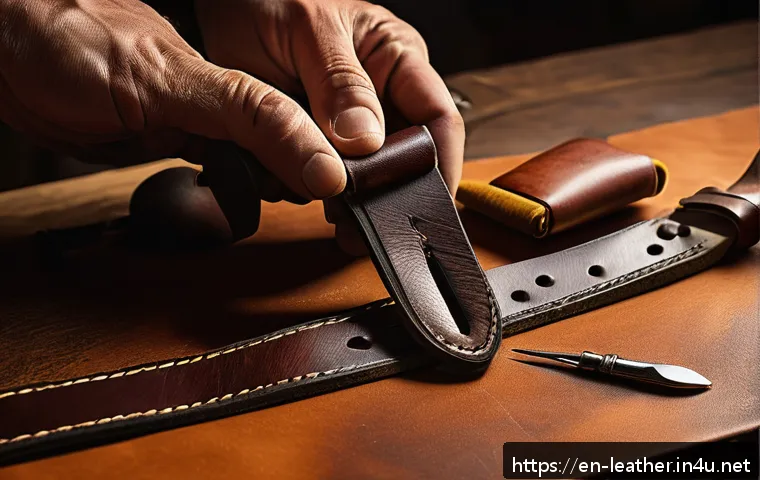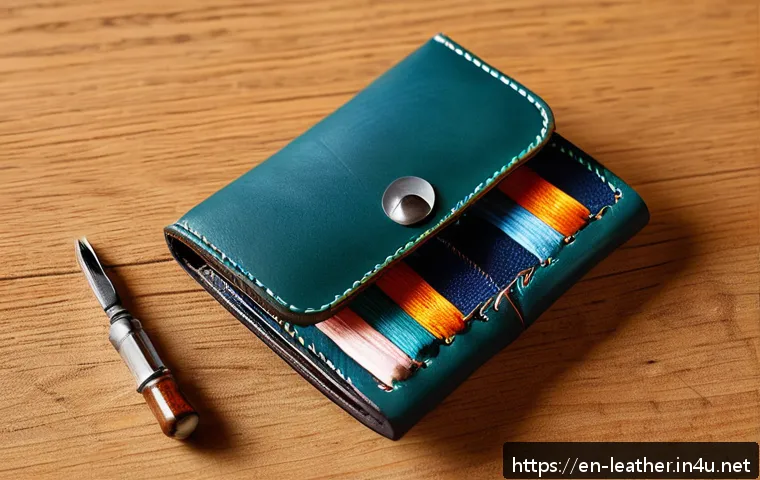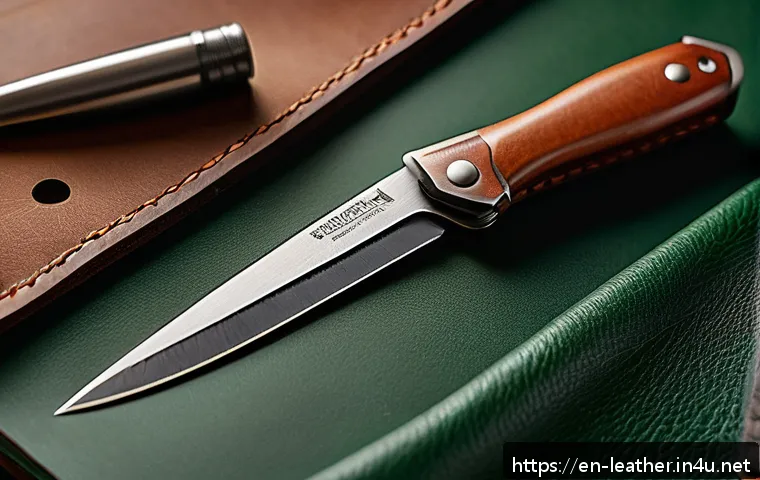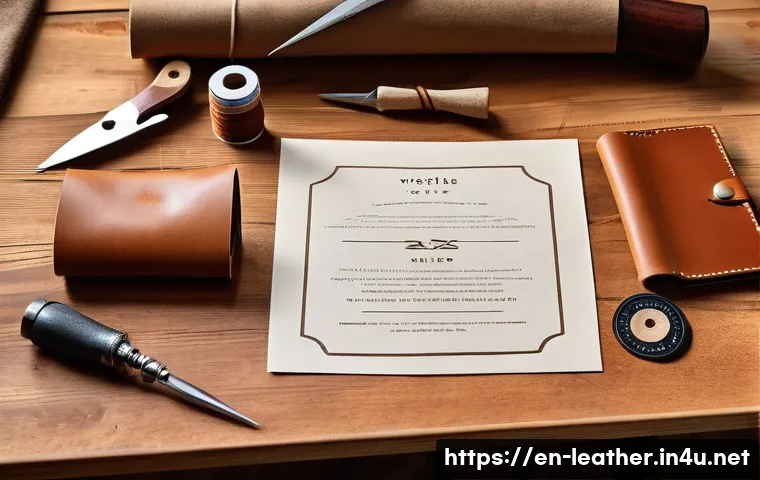
Crafting your own leather goods has never been more accessible or rewarding than with DIY leathercraft kits. These kits provide all the essential tools and materials, making it easy for beginners and hobbyists to create personalized wallets, keychains, or even bags.
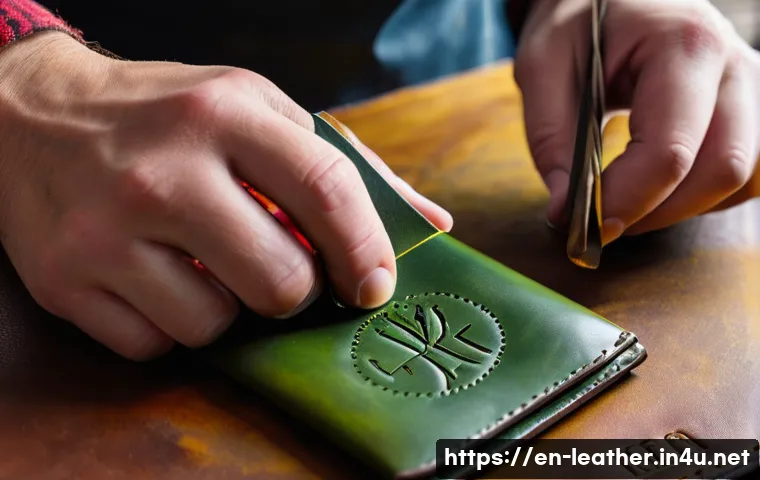
Beyond just a fun pastime, leatherworking can be a therapeutic escape that boosts creativity and hand-eye coordination. Plus, handmade leather items carry a unique charm that mass-produced products simply can’t match.
If you’ve ever wanted to try your hand at leathercraft or find a thoughtful gift for a creative friend, these kits are a fantastic starting point. Let’s dive deeper and explore everything you need to know about leathercraft DIY kits!
Essential Tools and Materials Included in Starter Kits
Understanding What Comes Inside
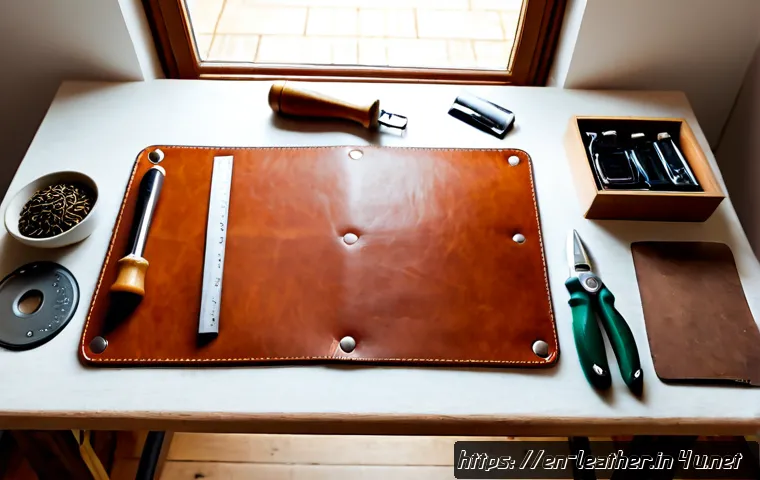
When you first open a leathercraft starter kit, it’s like unwrapping a treasure chest filled with everything you need to get going. Most kits typically include a selection of high-quality leather pieces, pre-cut or in sheets, depending on the project type.
Alongside leather, you’ll find essential hand tools such as needles, thread, edge bevelers, and sometimes even small mallets or punches. These tools are carefully chosen to help beginners get a solid grip on stitching, cutting, and shaping leather without having to buy expensive equipment separately.
From my own experience, having all these supplies bundled together made the initial learning curve feel much more approachable and less intimidating.
Choosing the Right Leather for Your Project
Leather comes in various types and thicknesses, and the kit usually specifies which kind you’re working with. Vegetable-tanned leather is a popular choice for DIY kits because it’s durable and easy to work with, plus it develops a beautiful patina over time.
Some kits might offer chrome-tanned leather, which is softer and more flexible but less eco-friendly. The thickness of leather also affects the project’s sturdiness; thinner leather works well for wallets or keychains, while thicker leather suits bags or belts.
Personally, I found that understanding these differences helped me tailor my projects better and set realistic expectations for durability and feel.
How Quality Tools Enhance Your Craft
A huge part of enjoying leathercraft comes down to the tools you use. Starter kits often provide a balanced set of tools to cover the basics, but the quality can vary.
Higher-quality needles and threads make stitching smoother and less frustrating, while sharp cutting tools ensure clean edges. For instance, when I used a kit with blunt edge bevelers, the finishing touches didn’t come out as crisp as I wanted.
Investing in a few upgraded tools later on definitely made a noticeable difference in both the process and the final product.
Step-by-Step Guidance and Learning Resources
Comprehensive Instructions for Beginners
One of the biggest hurdles when starting leathercraft is figuring out where to begin. That’s why many kits come with detailed instruction booklets or printed guides that walk you through each step, often with photos or diagrams.
These guides cover everything from cutting and punching holes to stitching and finishing edges. What I appreciated most was how these instructions broke down complex techniques into manageable parts, which gave me confidence to tackle projects I wouldn’t have attempted otherwise.
Video Tutorials and Online Communities
Many modern kits include access to online tutorials or video demonstrations, which is a game-changer for visual learners. Watching someone else perform the techniques helps clarify tricky steps like saddle stitching or dye application.
Additionally, joining online forums or social media groups dedicated to leathercraft can provide support and inspiration. From my own experience, interacting with other hobbyists online not only improved my skills but also kept me motivated through challenging projects.
Practice Makes Perfect: Starting Small
Most kits suggest beginning with simple projects like keychains or coasters before moving on to wallets or bags. This approach lets you build muscle memory and understand the properties of leather without feeling overwhelmed.
When I started with a basic wallet kit, it gave me a tangible sense of accomplishment and encouraged me to experiment with more complex designs. It’s a rewarding cycle where each small success fuels your passion and skills.
Customization and Personal Touches
Adding Your Own Design Elements
One of the most exciting parts of leatherworking is the ability to personalize your creations. Starter kits often provide plain leather pieces that you can embellish with stamps, dyes, or paints.
I tried stamping initials and decorative patterns on a wallet, which turned a simple project into a unique keepsake. Experimenting with different colors and textures allows you to express your style and make truly one-of-a-kind items.
Mixing Materials for Unique Effects
Some kits encourage combining leather with other materials like fabric, metal hardware, or beads. Adding brass snaps, rivets, or decorative buttons can elevate a basic design and improve functionality.
I found that including a metal clasp on a leather pouch not only enhanced its look but also made it more practical. These small details often make the difference between a homemade item and a professionally finished piece.
Gifting Handmade Creations
Handcrafted leather goods make meaningful gifts that show thoughtfulness and effort. Whether it’s a custom keychain for a friend or a hand-stitched wallet for a family member, these items carry sentimental value that store-bought products can’t match.
I’ve given several leather items I made myself, and the reactions always confirmed how special handmade truly is. It’s a wonderful way to share your passion and creativity with others.
Common Challenges and How to Overcome Them
Dealing with Stitching Difficulties
Stitching can be the trickiest part for beginners, especially if you’re new to working with leather’s thickness and texture. It’s normal to struggle with needle positioning or thread tension at first.
I remember my early projects where stitches looked uneven or threads tangled easily. The key is to practice patience and try different stitching techniques like saddle stitching, which is stronger and more reliable.
Using waxed thread also helps reduce friction and improves the stitching experience.
Managing Leather Cutting and Edging
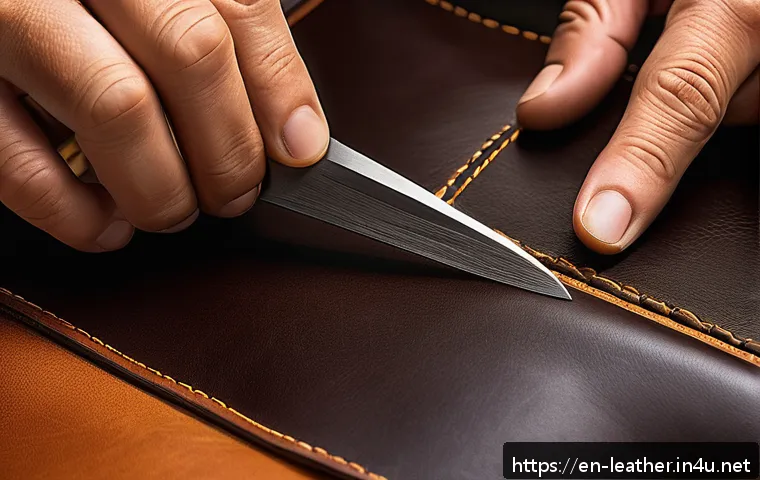
Cutting leather accurately requires a sharp blade and steady hands. A dull knife can cause ragged edges or even slip, which can be frustrating and unsafe.
I once ruined a piece because I underestimated the importance of a sharp cutter. Edge beveling and burnishing are also essential to give your piece a polished look.
While these steps take some time to master, watching tutorial videos and practicing on scrap leather made a big difference for me.
Maintaining Tools and Materials
Proper care of your tools and leather ensures longevity and consistent results. After each session, cleaning and oiling your tools prevents rust and dullness.
Leather should be stored in a cool, dry place to avoid cracking or warping. I learned this the hard way when a leather piece dried out due to improper storage, which made it brittle and harder to work with.
Regular maintenance not only protects your investment but also makes your crafting process smoother and more enjoyable.
Popular Projects to Try First
Creating Simple Wallets and Cardholders
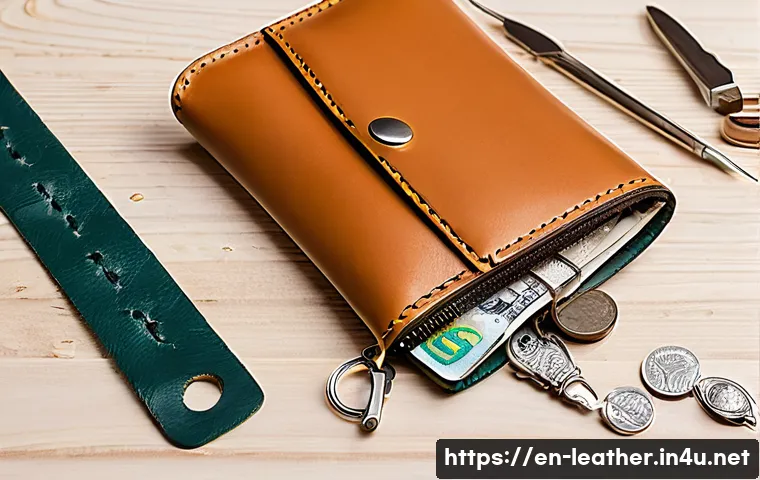
Wallets and cardholders are classic beginner projects because they’re practical and don’t require complex shaping. Most kits provide pre-cut patterns that make assembly straightforward.
When I first made a cardholder, I was amazed at how satisfying it was to use something I created every day. It’s also a great way to practice stitching and edge finishing on a small scale.
Making Personalized Keychains
Keychains are perfect for quick, creative projects that let you experiment with design and techniques like stamping or dyeing. I enjoyed customizing keychains with different shapes and initials to give as gifts.
Because they’re small, they require less material and time, making them ideal for testing new skills without a big commitment.
Exploring Small Pouches and Coin Holders
Small pouches add a little complexity with closures and shaping but remain manageable for beginners. These projects often introduce snaps or zippers, expanding your leatherworking repertoire.
I found making a coin pouch to be a fun challenge that pushed me to improve my cutting precision and finishing skills while still being a compact and useful item.
Comparing Popular Leathercraft Kits
What to Look for When Choosing a Kit
Not all kits are created equal, and selecting the right one depends on your goals, budget, and skill level. Some kits focus on very simple projects with minimal tools, ideal for absolute beginners.
Others offer more advanced materials and tools that suit hobbyists ready to take on bigger challenges. Price ranges also vary widely, so it’s important to balance quality and cost.
Reviewing Features and Benefits Side by Side
To help you get a clearer picture, here’s a comparison table of three popular leathercraft kits available on the market, highlighting key features such as project variety, included tools, and price range.
| Kit Name | Project Types | Tools Included | Leather Quality | Price Range |
|---|---|---|---|---|
| Craft & Create Starter | Wallets, Keychains | Basic needles, thread, edge beveler | Vegetable-tanned, 3-4 oz | $30 – $45 |
| Pro Leather DIY Set | Wallets, Pouches, Belts | Comprehensive tool set, mallet, punches | Premium vegetable-tanned, 4-5 oz | $70 – $90 |
| Urban Artisan Kit | Keychains, Cardholders, Small bags | Needles, thread, dye, stamps | Chrome-tanned, 2-3 oz | $40 – $60 |
Personal Recommendations Based on Experience
From my own crafting journey, I recommend starting with a mid-range kit like the Urban Artisan if you want a bit of everything without overwhelming complexity.
It offers a great balance between tools and materials, plus some fun extras like dye and stamps. If you’re more budget-conscious or just testing the waters, the Craft & Create Starter is a solid introduction.
For those ready to dive deeper and take on more ambitious projects, the Pro Leather DIY Set is worth the investment, especially if you plan to continue leatherworking long term.
Tips for Enhancing Your Leathercraft Experience
Setting Up a Comfortable Workspace
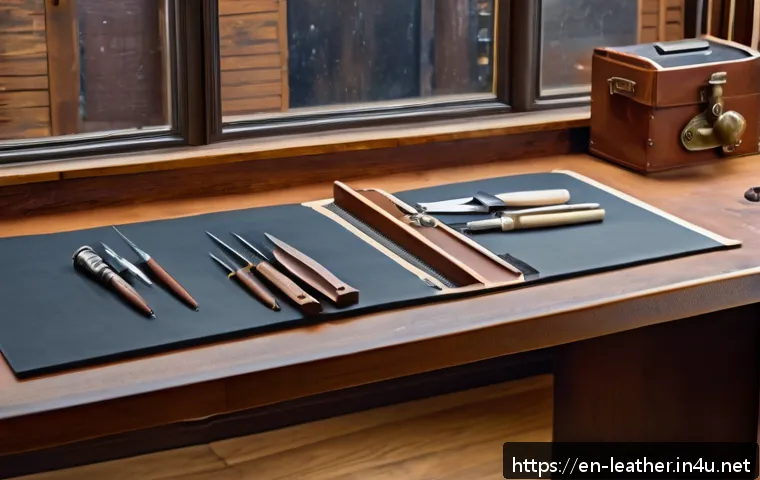
Having a dedicated, well-lit area to work in makes a huge difference. I found that a sturdy table with good lighting and a cutting mat underneath helped me maintain control and precision.
Keeping tools organized and within reach also reduces interruptions and keeps the creative flow going. Plus, having a comfortable chair and proper posture prevents fatigue during longer sessions.
Practicing Consistently and Experimenting
Leathercraft is a skill that improves with regular practice. Don’t be discouraged by early mistakes; each project teaches something new. I like to set aside small blocks of time a few times a week to work on different techniques or try new designs.
Experimenting with various stitches, dyes, or finishes keeps the process exciting and helps you discover your personal style.
Documenting Your Progress
Keeping a journal or photo log of your projects can be surprisingly motivating. Tracking what worked well, what didn’t, and your evolving preferences provides valuable insight over time.
I often look back at my early pieces and marvel at how much I’ve improved, which pushes me to keep refining my craft. Sharing your progress on social media or in crafting groups can also bring encouragement and useful feedback.
Wrapping Up
Starting leathercraft with a well-equipped kit can truly transform your creative journey, making it accessible and enjoyable. The right tools, clear guidance, and practice build confidence while opening doors to endless customization. Remember, every small project is a step toward mastering this rewarding craft. Embrace the process, and don’t hesitate to explore your unique style along the way.
Helpful Tips to Keep in Mind
1. Always choose a starter kit that matches your skill level and project interests to avoid feeling overwhelmed or under-equipped.
2. Set up a dedicated workspace with good lighting and organization to maintain focus and precision during your crafting sessions.
3. Practice stitching and cutting on scrap leather before starting your main project to build confidence and reduce mistakes.
4. Take advantage of online tutorials and community forums to learn new techniques and stay motivated through shared experiences.
5. Regularly maintain your tools and store leather properly to ensure longevity and consistent quality in your work.
Key Takeaways
Investing in a quality starter kit lays a strong foundation for your leathercraft adventure, combining essential tools with suitable materials. Following step-by-step instructions and practicing simple projects help develop your skills steadily. Personalizing your work adds meaningful value, while overcoming common challenges becomes easier with patience and proper care. Lastly, maintaining an organized workspace and engaging with the crafting community greatly enhances both your experience and results.
Frequently Asked Questions (FAQ) 📖
Q: What tools and materials are typically included in a DIY leathercraft kit?
A: Most DIY leathercraft kits come with everything you need to get started, including pre-cut leather pieces, needles, thread, a stitching awl, edge bevelers, and sometimes even dyes or finishes.
Some kits also include detailed instructions or pattern templates to guide you step-by-step. From my experience, having all these essentials in one package really lowers the barrier to entry and makes the whole process less intimidating for beginners.
Q: How difficult is it to make leather goods with these kits if I have no prior experience?
A: Honestly, these kits are designed with beginners in mind, so they’re quite user-friendly. The instructions are usually clear and easy to follow, and the pre-cut pieces mean you don’t have to worry about complicated measurements or cutting.
When I first tried a leathercraft kit, I was surprised at how quickly I was able to create a wallet that looked professional. Of course, like any craft, there’s a learning curve, but the satisfaction you get from finishing your first project is totally worth it.
Q: Can making leather goods at home with these kits be a good gift idea?
A: Absolutely! A DIY leathercraft kit makes a thoughtful and unique gift, especially for creative friends or family members who enjoy hands-on activities.
It’s not just a present but an experience—giving someone the chance to create something personalized and lasting. I’ve gifted these kits before, and the recipients loved the combination of creativity and practicality.
Plus, handmade leather items carry a personal charm that store-bought gifts often lack.