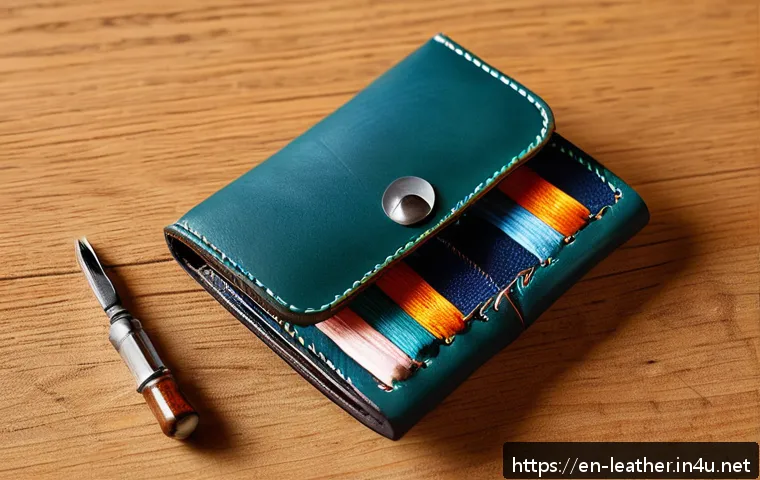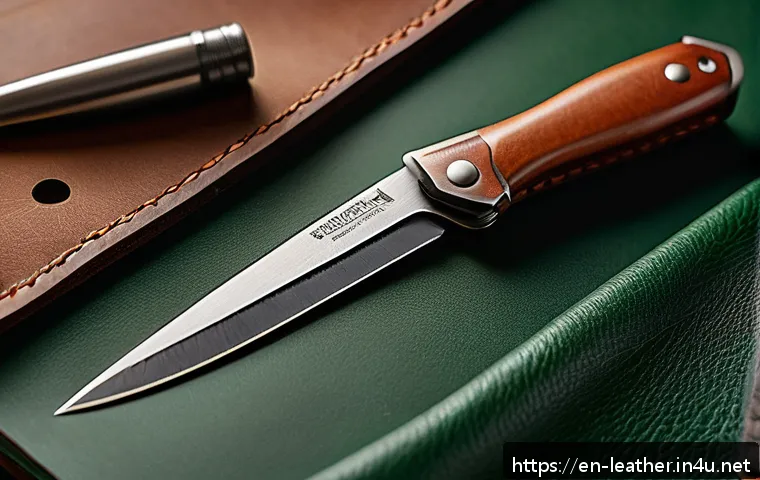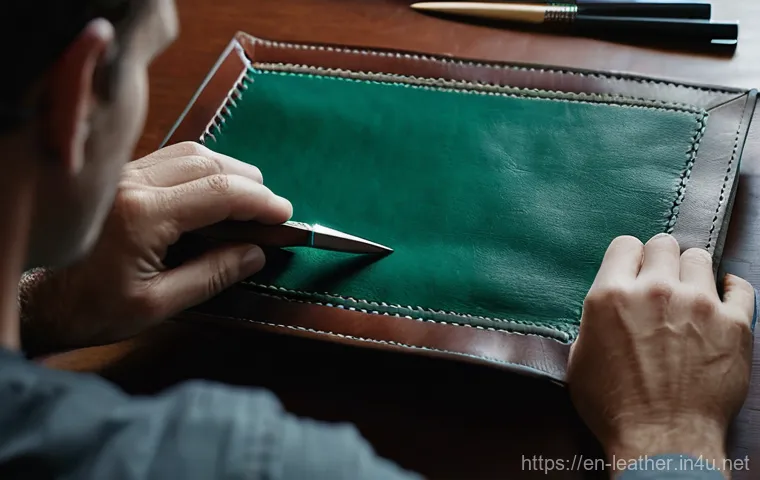
Hey there, fellow leather lovers! You know, there’s this incredible feeling when you take a simple piece of leather and craft it into something truly magnificent, something that tells a story and lasts a lifetime.
For a long time, I chased that perfect finish, the flawless stitch, thinking that was the ultimate goal. But my own journey, and trust me, I’ve made my share of mistakes and learned countless lessons, has taught me that the real magic, the foundation of every stunning leather piece, is undeniably in the pattern.
It’s more than just a template; it’s the very blueprint that ensures your vision, no matter how intricate, comes to life with precision and without a single wasted cut.
We’re living in such an exciting time for leather crafting. Gone are the days when everything was done purely by hand, though I still cherish those traditional methods.
Today, we’re seeing incredible shifts towards digital pattern design and even 3D printing for prototypes, allowing for mind-blowing customization and intricate details that were once impossible.
Beyond that, there’s a huge, wonderful movement towards sustainability, using ethically sourced materials, vegetable-tanned leathers, and even embracing zero-waste techniques by creatively upcycling every last scrap.
When I’ve embraced these new approaches, I’ve found my work becomes not just more efficient, saving precious leather and time, but also incredibly rewarding.
It’s about crafting beautiful items that not only look fantastic but also feel good to make and good for our planet, creating pieces that genuinely stand the test of time.
Ready to transform your crafting, dive into these modern trends, and achieve that perfect, professional result every single time? Let’s uncover the secrets to mastering leather crafting pattern making together.
Embracing Digital Tools for Flawless Patterns
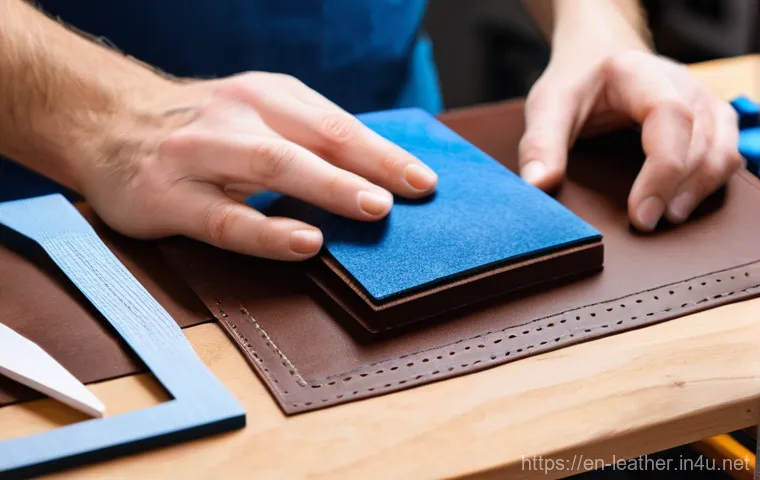
Honestly, when I first heard about using computer-aided design (CAD) software for leather patterns, I was a bit skeptical. I’d spent years with my trusty rulers, French curves, and an endless supply of bristol board, and the idea of translating that tactile experience to a screen felt… sterile. But let me tell you, my friends, I quickly became a convert! The precision that digital tools offer is simply unparalleled. You can zoom in, adjust a curve by a fraction of a millimeter, and mirror complex designs instantly. It’s like having an infinitely patient, perfectly steady hand guiding your pen. I remember a project where I was trying to design a really intricate handbag with multiple overlapping components, and hand-drafting it was a nightmare of erasing and redrawing. When I finally decided to try my hand at a simple CAD program, I shaved hours off the design process and ended up with a pattern that fit together like a dream, perfectly symmetrical and ready for the cutting table. The learning curve isn’t as steep as you might think, and the investment in time pays off exponentially in saved materials and reduced frustration. Plus, being able to save and easily modify patterns means I’m constantly building a library of reusable components, which speeds up future projects significantly. It truly revolutionized how I approach complex designs and even simple wallets, allowing for a level of detail and accuracy I could only dream of before.
The Game-Changing Power of CAD Software
Diving into CAD software, even a free or low-cost option, felt like unlocking a whole new level in my crafting journey. Programs like Adobe Illustrator, Inkscape, or even specialized leather design software allow you to create patterns with incredible accuracy and efficiency. What I’ve personally found to be a game-changer is the ability to easily iterate on designs without having to redraw everything from scratch. Just a few clicks and I can adjust dimensions, modify curves, or even completely redesign a component, all while keeping the original safe. This means I’m much more willing to experiment, which has led to some of my most innovative and unique pieces. The frustration of making a mistake on paper and having to start over? That’s largely a thing of the past. Moreover, these digital files are perfect for sharing with fellow crafters, getting feedback, or even sending to laser cutters for incredibly precise and fast pattern cutting. It really streamlines the entire process from concept to a perfectly cut leather piece, saving both time and precious material.
Bridging the Gap: Digital to Physical Prototypes
One of the biggest ‘aha!’ moments for me in digital pattern making was realizing how seamlessly I could go from a screen to a tangible object. After spending time perfecting a pattern digitally, the next step often involves creating a physical prototype. While some may jump straight to cutting leather, I’ve learned the hard way that testing with less expensive materials like thick paper, cardboard, or even synthetic leather scraps is crucial. This allows you to check for fit, form, and functionality without wasting your beautiful, expensive leather. For truly complex designs, I’ve even experimented with 3D printing custom jigs or formers to help mold and shape leather exactly as intended. It’s an incredibly satisfying process to see a digital drawing transform into a functional prototype, proving out all your measurements and design choices before committing to the final material. This phase, often overlooked, saves countless headaches and ensures that when you finally cut into that premium hide, you do so with absolute confidence, knowing every piece will align perfectly and the final product will be exactly what you envisioned.
The Art of Sustainable Pattern Design
As much as I adore the smell and feel of fine leather, I’ve become increasingly conscious of my environmental footprint as a crafter. This realization has fundamentally shifted how I approach pattern design. It’s not just about making a beautiful item; it’s about making it thoughtfully, with minimal waste. My personal journey towards sustainability in leather crafting started with small steps – meticulously planning cuts to utilize every inch of a hide. But it quickly evolved into actively designing patterns that inherently reduce waste. Think about it: a well-designed pattern can maximize yield, meaning you get more usable pieces from a single hide, which translates directly to less scrap going into the bin. It’s incredibly rewarding to look at a completed project and know that I’ve honored the material, not just by crafting it beautifully, but by using it efficiently. This conscious approach not only aligns with my values but also often leads to more creative solutions, pushing me to think outside the traditional box of pattern layouts. I’ve found that designing for sustainability isn’t a limitation; it’s a powerful catalyst for innovation, encouraging me to consider every curve and edge with renewed purpose.
Maximizing Your Leather Yield
Maximizing leather yield is practically an art form, and it all starts with your pattern. I’ve learned that carefully arranging pattern pieces on a hide, like a jigsaw puzzle, is crucial. It’s not just about fitting them on; it’s about orienting them correctly with the grain and finding those tiny pockets where smaller pieces can fit. Sometimes, this means adjusting a pattern slightly, perhaps squaring off a curve or making a small component just a hair smaller to fit into a critical scrap. I once had a client request a series of small leather keychains alongside a larger bag. By cleverly integrating the keychain patterns into the negative space of the larger bag’s pattern, I was able to use almost every single square inch of a beautiful, expensive hide, leaving behind only the most minuscule offcuts. This kind of mindful arrangement not only saves money on materials in the long run but also deeply satisfies that part of me that hates to see anything go to waste. It’s a challenge I genuinely enjoy, a testament to how intelligent design can directly impact resource efficiency.
Designing for Longevity and Repairability
Beyond efficient cutting, a truly sustainable pattern considers the entire lifecycle of the leather good. I’ve personally transitioned to designing pieces that are not only robust and built to last but also designed with potential repairs in mind. This means avoiding overly complex stitching patterns that are hard to undo and redo, opting for hardware that can be replaced, and ensuring key stress points are reinforced in the pattern itself. For instance, instead of purely relying on glue for an edge, I’ll design a pattern with enough overlap for a sturdy saddle stitch. I’ve also started incorporating modular elements where possible, making it easier to replace a worn strap or a damaged panel rather than discarding the entire item. It’s a philosophy that respects the material and the effort put into the craft. When I design a wallet, I’m thinking not just about how it looks today, but how it will function and hold up ten, twenty years down the line, and how it might be lovingly repaired by its owner, or even me, should the need arise. This forward-thinking approach creates pieces that become cherished heirlooms rather than fleeting trends.
Beyond the Blueprint: Understanding Leather Behavior
You can have the most perfectly drafted pattern in the world, but if you don’t understand how your chosen leather will behave, you’re setting yourself up for frustration. This is a lesson I learned the hard way with a particularly stiff piece of bridle leather that simply refused to bend the way my pattern suggested. Leather isn’t just a flat material; it has grain, stretch, and varying thicknesses, all of which play a crucial role in how your final product will look and feel. What works for a soft, supple lambskin will be a disaster for a rigid vegetable-tanned hide. My early mistakes taught me that ignoring these properties is like trying to fit a square peg in a round hole – it just won’t work gracefully. Now, before I even start sketching a pattern, I take the time to really get to know the leather I’m working with. I flex it, stretch it, try a few test cuts and stitches. This hands-on experience allows me to mentally adjust my pattern, accounting for how the material will behave under stress, how much it might stretch during assembly, and how its thickness will impact seam allowances. It’s this intuitive understanding, built up over countless hours at the workbench, that truly transforms a good pattern into a great one.
Reading the Grain: How Leather Moves and Stretches
Every piece of leather has a ‘grain’ and it’s something I absolutely obsess over now. Just like wood, leather has a direction in which it’s stronger and less prone to stretching, and another direction where it’s more pliable. Cutting your pattern pieces against the natural stretch of the leather in critical areas, like straps or gussets, is paramount for durability. I once designed a beautiful bag strap that, despite perfect stitching, started to stretch and deform after only a few weeks of use because I hadn’t paid enough attention to the grain direction during cutting. It was a disheartening lesson, but one that cemented the importance of this detail in my process. Now, I always orient my pattern pieces to utilize the leather’s inherent strength, especially in areas that will bear weight or experience tension. This careful consideration ensures that the finished item not only looks fantastic but will also maintain its shape and integrity for years, resisting sag and stretching even with daily use. It’s a small detail in the pattern planning phase, but it makes an enormous difference in the longevity and quality of the final product.
Accounting for Thickness and Seam Allowances
Leather thickness is another seemingly minor detail that can totally throw off a pattern if not considered carefully. Unlike fabric, where seam allowances are often universal, leather thickness dramatically impacts how pieces come together. A pattern designed for 2-3oz (0.8-1.2mm) leather will absolutely not work for 8-9oz (3.2-3.6mm) leather without significant adjustments, especially where multiple layers meet. I’ve made the mistake of simply adding standard seam allowances only to find that the finished edges were bulky, misaligned, or the piece just wouldn’t close properly. Now, I meticulously measure my leather and adjust my patterns, often tapering edges for bulk reduction or creating slightly larger curves where multiple layers will join. For instance, if I’m designing a card slot for a wallet, I know that even a few layers of thin leather can add up, requiring me to slightly increase the width of the main panel to accommodate that cumulative thickness. This proactive adjustment in the pattern prevents frustrating wrestling matches with overly thick seams and ensures that the final assembly is smooth, resulting in clean lines and a professional finish that I’m proud to put my name on.
From Concept to Creation: Testing Your Patterns
I cannot stress enough how vital the testing phase is for any leather crafting pattern. It’s the bridge between your brilliant idea and a tangible, functional object. Far too often, especially early in my career, I’d rush from pattern drawing straight to cutting my expensive leather, only to discover a critical flaw in the design – a gusset that didn’t quite fit, a curve that was off, or a strap that was an inch too short. Each time, it was a painful lesson in wasted material and time. Now, I consider the mock-up phase to be as important as the initial design. It’s where your two-dimensional concept gets its first taste of three-dimensional reality. This process allows me to catch errors, refine ergonomics, and truly understand how the piece will assemble and function before I commit to the final material. It’s a stage where experimentation is encouraged, where mistakes are cheap and easy to fix. My workbench often looks like a miniature battlefield of paper and cardboard prototypes, each one a stepping stone to perfection. This iterative process, though it adds a step, ultimately saves an incredible amount of grief and ensures that when I finally cut into that beautiful hide, I do so with absolute confidence.
The Magic of Muslin (or Scrap) Mock-ups
When it comes to testing patterns, I’ve developed a deep appreciation for using inexpensive materials for mock-ups. While fabric crafters use muslin, for leather, I often turn to thick craft paper, cereal boxes, or even thin, discarded leather scraps. The goal isn’t to create a beautiful piece, but a functional representation of your pattern. I’ll cut out all the pieces, punch the stitch holes, and even ‘dry assemble’ them, often using tape or temporary glue to hold them together. This process immediately reveals any issues with fit, proportion, or assembly logic. I once spent an entire afternoon meticulously mocking up a complex backpack design with paper. I discovered that one of the internal pockets, though perfectly drawn, was impossible to stitch into place after the main body was assembled. It was a glaring error that would have ruined a costly leather project, but thanks to the paper mock-up, I was able to redesign the pocket and adjust the assembly order before any precious leather was touched. It’s truly a magical step that transforms a theoretical design into a practical, working model, allowing you to fine-tune every detail without financial penalty.
Iteration is Your Best Friend
If there’s one piece of advice I could give to any aspiring leather crafter, it’s this: embrace iteration. Rarely, if ever, is the first draft of a pattern perfect. My most successful designs have often gone through two, three, or even more rounds of refinement based on mock-up testing. Each iteration isn’t a failure of the initial design; it’s a step closer to perfection. I’ve learned to view each adjustment as an improvement, a deeper understanding of the design and the material. Sometimes, a seemingly minor tweak, like adjusting the angle of a card slot by a few degrees or shifting a stitch line by a millimeter, can dramatically improve both the aesthetics and the functionality of the piece. This constant process of testing, evaluating, and refining is where true craftsmanship emerges. It’s a dialogue between me, the pattern, and the material, guiding me towards the optimal solution. Don’t be afraid to make changes, even significant ones, based on what your mock-ups tell you. This iterative mindset is what separates a good design from an exceptional one, leading to pieces that are truly well-thought-out and impeccably executed.
Crafting for the Future: Personalization and 3D Patterns
The world of leather crafting is constantly evolving, and one of the most exciting frontiers I’ve been exploring lately is the realm of 3D pattern design and personalization. Gone are the days when a pattern was just a flat template. Today, we’re seeing incredible innovations that allow for bespoke creations tailored precisely to an individual’s needs or even the use of 3D printing to create specialized tools and molds. This level of customization was once the exclusive domain of master artisans who had spent decades honing their craft, able to visualize complex forms in their mind’s eye. Now, with accessible digital tools, even I, with my years of experience but certainly no magical powers, can conceptualize and create truly unique pieces. It’s opened up a whole new dimension of possibilities, allowing me to take client commissions that push the boundaries of traditional leather work. From ergonomically shaped knife sheaths to perfectly fitted camera cases, the ability to design in three dimensions has dramatically expanded my creative toolkit and allowed me to craft items that are not just beautiful, but perfectly functional and truly one-of-a-kind. It’s an exciting time to be a leather crafter, with technology constantly offering new ways to bring our visions to life.
Unleashing Creativity with 3D Printed Molds and Templates
My journey into 3D printing for leather crafting started with a simple problem: consistently forming small, complex leather shapes. Traditional methods often involved laborious hand-forming or expensive custom metal dies. But then I discovered the power of 3D printing. I now regularly design and print custom molds, presses, and even intricate stamping templates. For example, when creating a perfectly domed coin purse, I can 3D print a two-part mold that allows me to wet-form the leather with incredible consistency and precision, something that would have been incredibly difficult to achieve by hand every time. This technology isn’t just about efficiency; it’s about unlocking new creative possibilities. I’ve printed custom jigs to hold awkward pieces for stitching, unique stamps to create personalized textures, and even complex formers to shape leather into organic, flowing designs that would be impossible with flat patterns alone. It’s like having a miniature fabrication shop right on my desk, constantly expanding the limits of what I can create and allowing me to offer truly unique and professionally finished products to my clients.
Bespoke Beauty: Tailoring Patterns for Unique Visions
One of the most rewarding aspects of modern pattern design is the ability to offer truly bespoke pieces. Instead of adapting a standard pattern, I can now design from the ground up to fit a client’s exact specifications, whether it’s a custom-sized journal cover for an unusual notebook or a unique holster for a particular tool. This often involves taking detailed measurements, creating initial digital sketches to confirm the vision, and then developing a pattern that is entirely unique to their needs. I recently had a client who wanted a very specific kind of minimalist wallet that could hold an unusual combination of cards and cash, and fit perfectly into a particular pocket. By using digital drafting, I was able to quickly mock up several iterations, adjusting dimensions by a few millimeters here and there, until we landed on the perfect design. This personalized approach not only results in a highly functional and cherished item but also creates a deeper connection with the client, as they become part of the design process. It’s about crafting a piece that doesn’t just look good, but perfectly serves their individual lifestyle, making their vision a tangible reality.
Monetizing Your Masterpieces: Patterns as Products
As much as I love the pure joy of crafting, let’s be real – turning a passion into a sustainable venture often means thinking about how to monetize your skills. And for us leather crafters, patterns themselves can become a fantastic source of income. It’s not just about selling the finished goods anymore; it’s about sharing your expertise and helping other crafters achieve their own visions. I’ve found that offering well-designed, easy-to-follow patterns can be incredibly rewarding, both financially and in terms of building a community around my craft. There’s a huge demand out there for quality patterns, especially for unique or challenging projects. By creating patterns that are clear, accurate, and come with good instructions, you’re providing immense value. This approach has not only diversified my income streams but also expanded my reach to a global audience of fellow enthusiasts. It’s incredibly satisfying to see someone else successfully create a beautiful piece using a pattern I designed – it feels like my knowledge and passion are being amplified, reaching far beyond my own workbench. Thinking strategically about how you package and present these patterns can make all the difference in turning them into a profitable side hustle or even a full-time business.
Sharing Your Knowledge: Selling Digital Patterns
Selling digital patterns has become a cornerstone of my crafting business, and honestly, it’s one of the most fulfilling ways to earn income from my skills. After spending countless hours perfecting a design, it’s incredibly efficient to then package that design as a downloadable pattern. Platforms like Etsy, my own website, or even dedicated crafting marketplaces make it easy to reach a global audience. The key, I’ve learned, is not just the pattern itself, but the clarity of the instructions and the quality of the supporting materials. I always include a detailed PDF with step-by-step photos, recommended tools, and often a video tutorial. It’s about providing a complete experience, almost like I’m guiding them through the process myself. This level of support builds trust and encourages repeat purchases. The beauty of digital patterns is their scalability – once created, they can be sold an infinite number of times without any additional material costs or shipping headaches. It’s a fantastic way to leverage your design expertise and create a passive income stream, allowing you to focus more on the creative process of developing new and exciting projects.
Building an Audience Around Your Craft
Beyond direct sales, offering patterns has significantly helped me build a loyal audience and establish myself as a credible voice in the leather crafting community. When people successfully create something beautiful using one of my patterns, they often share their work, tag me, and recommend my patterns to others. This organic growth is invaluable. I’ve found that consistently providing high-quality, engaging content, whether it’s through blog posts, YouTube tutorials, or social media snippets, keeps my audience engaged and eager for new patterns. This engagement also impacts other aspects of monetization, such as potential AdSense revenue on my blog and videos, or affiliate marketing for tools and materials I recommend. For example, if I’m showing how to make a tricky stitch, I might subtly mention the specific stitching pony I use, which allows me to earn a small commission if someone buys it through my link. It’s about creating an ecosystem around my craft where patterns are not just products, but catalysts for community, learning, and multiple income streams. It’s a holistic approach that truly allows my passion for leather crafting to thrive as a viable business.
Optimizing Your Workspace for Pattern Perfection
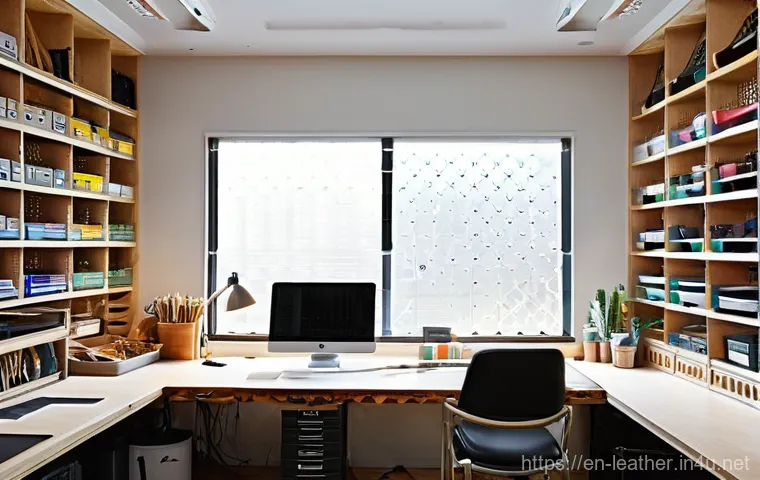
You know, for years I thought my crafting success was solely dependent on my skill with a knife and needle. While those are undeniably crucial, I’ve come to realize that my workspace itself plays an enormous, often underappreciated, role in the quality of my patterns and ultimately, my finished products. A cluttered, poorly lit, or disorganized space is a recipe for errors and frustration. My own journey involved a gradual transformation from a chaotic corner in my garage to a dedicated, purpose-built studio. This wasn’t an overnight change, but each small improvement—adding better lighting, investing in a large cutting mat, creating dedicated storage for tools and patterns—made a noticeable difference. It’s not about having the most expensive setup, but about creating an environment that fosters clarity, precision, and uninterrupted focus. When my tools are organized, my patterns are easily accessible, and I have ample, clear space to work, the entire design and cutting process flows so much more smoothly. I’ve found that a well-optimized workspace directly correlates with fewer mistakes, greater efficiency, and a much more enjoyable crafting experience, making pattern creation feel less like a chore and more like the meditative process it should be.
The Essential Tools for Accurate Pattern Making
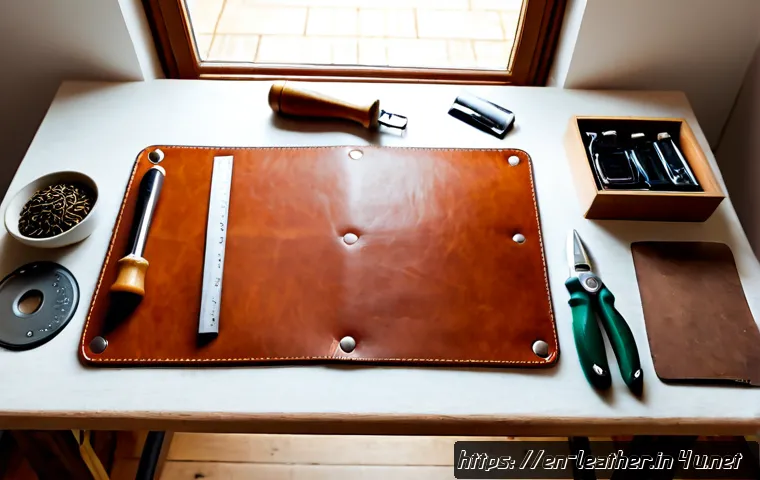
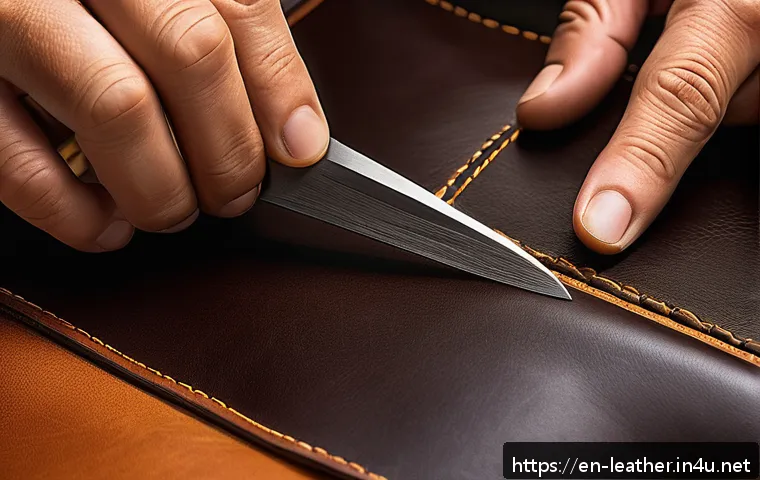
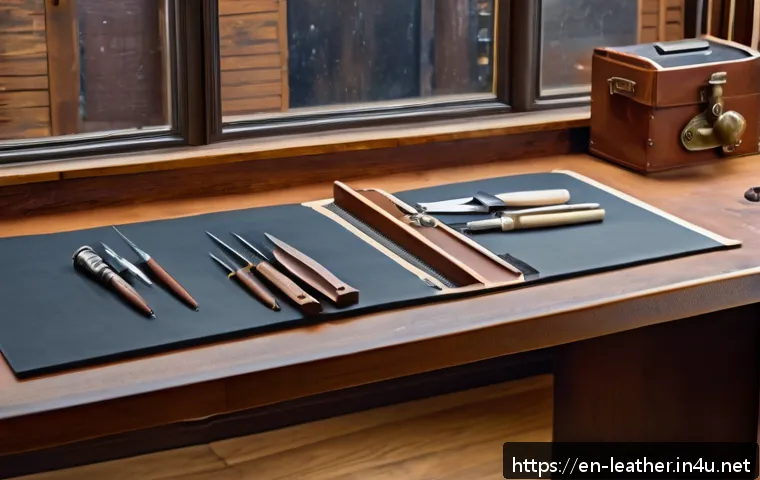
While digital tools have certainly entered the arena, there’s still a core set of physical tools I rely on daily for traditional pattern making and precise cutting. A good quality, large self-healing cutting mat is non-negotiable – it protects your workbench and provides a consistent surface. Precision rulers, ideally metal ones with cork backing to prevent slipping, are paramount for straight lines. I’ve also found a sharp, retractable utility knife with a supply of fresh blades to be more effective than scissors for cutting paper patterns with clean edges. Invest in a set of French curves and flexible rulers for drafting those beautiful, organic lines. For transferring patterns to leather, a fine-tip pen or silver gel pen is essential. And for those intricate details, a sharp awl or stylus for marking stitch lines. I’ve experimented with countless tools over the years, and I can tell you, the difference between cheap, flimsy tools and well-made, ergonomic ones is night and day. Good tools are an investment that pay dividends in accuracy, reduced hand fatigue, and ultimately, a higher quality finished product. They become an extension of your hand, allowing you to execute your patterns with confidence and precision.
Organizing Your Digital and Physical Pattern Library
One of the biggest challenges, and most rewarding solutions, in my crafting journey has been organizing my pattern library. Whether you’re working with paper or digital files, a systematic approach is crucial. For physical patterns, I use large hanging folders categorized by project type (e.g., “Wallets,” “Bags,” “Small Goods”) and then further subdivided. Each pattern gets its own clear plastic sleeve with notes about the leather used, any modifications made, and a photo of the finished product. This makes finding and reusing patterns incredibly efficient. For my digital patterns, I have a dedicated cloud folder structure, again categorized, with clear naming conventions for each file. I also regularly back up my digital files – because losing hours of design work is a crafter’s nightmare! This organizational discipline isn’t just about neatness; it’s about efficiency and preserving your intellectual property. Knowing exactly where to find that perfect card slot pattern or the template for a specific buckle allows me to jump straight into new projects without wasting precious time searching. It transforms a potential headache into a powerful resource, allowing me to build upon past successes and constantly innovate.
Mastering Edges and Stitching: The Final Touches
Okay, so we’ve talked about getting those patterns just right, understanding your leather, and even building a killer workspace. But let’s be honest, even the most perfectly cut and designed pieces can fall flat if the edges and stitching aren’t up to par. For me, these are the ‘final touches’ that truly elevate a piece from homemade to handcrafted masterpiece. I’ve spent countless hours honing my edge finishing techniques, from burnishing to painting, because I realized early on that a crisp, smooth edge is a hallmark of quality. And stitching? Oh, the stitching! It’s the backbone of most leather projects, and inconsistent, uneven stitches can detract from even the most beautiful leather. My personal journey involved a lot of practice on scrap pieces, trying different threads, irons, and needles until I developed a rhythm and technique that felt natural and produced consistent results. It’s not about being absolutely perfect every single time, but about striving for that level of consistency and attention to detail that tells the viewer, “This was made with care and expertise.” These aren’t just technical skills; they’re artistic expressions that complete the story your pattern began. The satisfaction of seeing a perfectly burnished edge or a row of flawlessly executed saddle stitches is truly one of the greatest rewards of this craft.
Achieving Impeccable Edge Finishes
A beautifully finished edge can make or break a leather project, and it’s a detail I’m incredibly passionate about. There are several methods I’ve experimented with over the years, each with its own charm. For a classic, natural look, burnishing is my go-to. This involves dampening the edge slightly and then vigorously rubbing it with a wooden slicker or canvas cloth until the fibers compress and become smooth and shiny. It takes practice to get that perfect mirror-like finish, but the effort is always worth it. For a more modern, sealed look, I often use edge paint. The trick here, I’ve learned, is applying multiple thin coats rather than one thick one, allowing each to dry completely and lightly sanding between coats to build up a smooth, durable finish. I remember a particularly challenging project involving a very thick wallet with many layers; achieving smooth, even edges felt like a Herculean task. But by taking my time, using the right tools, and applying these techniques patiently, the final result was incredibly satisfying – edges that were as smooth and polished as the leather itself. It’s this kind of dedication to the small details that truly elevates your work.
The Art of Consistent Stitching
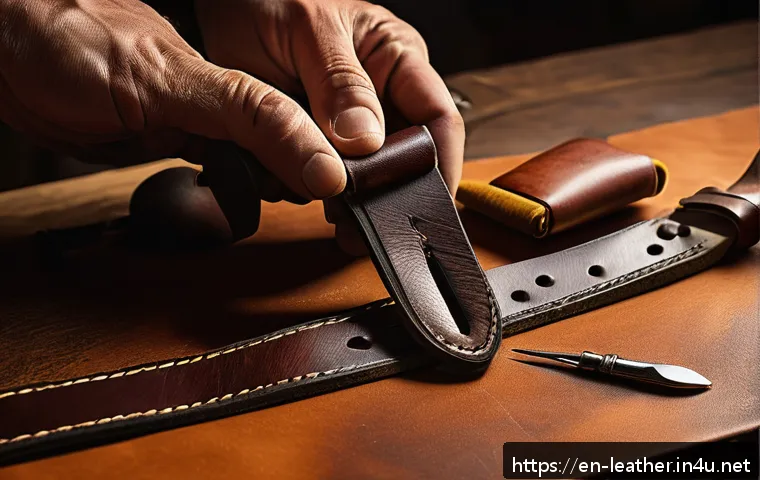
Consistent stitching is, in my opinion, the ultimate indicator of a skilled leather crafter. It’s an art form in itself, and it’s something I still strive to perfect with every project. The foundation, of course, is accurate pattern marking and perfectly spaced stitch holes. I personally love using a good quality pricking iron or diamond chisels to ensure my holes are consistent and straight. Then comes the actual stitching. Whether you’re saddle stitching by hand or using a machine, maintaining even tension and uniform stitch length is key. My advice? Practice, practice, practice! Start on scrap pieces, focusing solely on getting your stitches straight and evenly spaced. I remember my early attempts at saddle stitching where my stitches looked like a roller coaster – uneven and chaotic. But with persistence, I developed muscle memory and an intuitive feel for the thread tension. Now, when I see a perfectly straight, tightly pulled stitch line, it fills me with a sense of quiet pride. It’s a testament to the hours of dedication and the commitment to excellence that every crafter understands. Consistent stitching doesn’t just look good; it creates incredibly strong and durable seams that will truly stand the test of time, a true mark of quality craftsmanship.
| Feature | Traditional Pattern Making | Digital Pattern Making (CAD) |
|---|---|---|
| Tools Required | Paper, rulers, French curves, pencils, erasers, scissors, craft knife | Computer, CAD software (e.g., Illustrator, Inkscape), printer (optional) |
| Precision & Accuracy | Good, but limited by hand steadiness and measurement tools; prone to slight variations | Excellent, millimeter-level accuracy; perfect symmetry and consistent curves |
| Iteration & Modification | Time-consuming; requires redrawing/erasing; harder to make small, precise changes | Fast and efficient; easy to adjust, scale, mirror, and save multiple versions |
| Material Waste | Can be high due to errors; difficult to optimize layouts perfectly by hand | Reduced due to precise nesting features and accurate mock-ups; better yield |
| Sharing & Scaling | Physical templates can be mailed; difficult to share widely or make multiple copies | Easy to share globally via email/download; perfect for selling patterns online |
| Learning Curve | Relatively quick to start, but mastery takes years of practice | Initial learning curve for software, but rapidly increases efficiency and capability |
Wrapping Things Up
And there you have it, fellow craft enthusiasts! What an incredible journey it’s been exploring the multifaceted world of leather patterns. From the initial spark of an idea to the meticulous dance of digital design, the hands-on satisfaction of testing, and the pride of a perfectly finished piece, every step truly shapes our creations. It’s a blend of old-school artistry and modern ingenuity, isn’t it? Remember, every stitch, every curve, every edge tells a story – your story. Keep experimenting, keep learning, and most importantly, keep enjoying the process. Because at the end of the day, that’s what truly makes our handmade pieces so special.
Useful Insights for Your Crafting Journey
1. Embrace Digital Tools Early: Don’t shy away from CAD software like Adobe Illustrator or Inkscape. They offer unparalleled precision, efficiency, and the ability to iterate on designs quickly, saving you time and material in the long run. Even a free program can revolutionize your pattern-making process.
2. Prioritize Prototyping: Always, always, always create mock-ups using inexpensive materials like paper or cardboard before cutting into your precious leather. This crucial step helps you catch errors, refine fit, and confirm functionality, preventing costly mistakes and boosting your confidence.
3. Understand Your Leather: Leather isn’t just one material. Its grain, stretch, and thickness are unique to each hide. Spend time understanding these properties for your chosen leather to ensure your patterns account for its natural behavior, leading to more durable and well-formed final products.
4. Design for Sustainability: Think about maximizing yield and designing for longevity and repairability. Clever pattern placement minimizes waste, and building pieces that can be repaired rather than discarded contributes to a more sustainable crafting practice, honoring both the material and your effort.
5. Consider Monetizing Your Patterns: If you’ve perfected a design, consider selling your digital patterns online. Platforms like Etsy offer a global reach, allowing you to share your expertise, build a community, and create a passive income stream from your creative work, further fueling your passion.
Key Takeaways
For any leather crafter aiming for excellence, the journey of pattern making is a continuous evolution. It’s about seamlessly blending the tactile experience of traditional methods with the precision of digital tools, allowing for innovation and efficiency. Never underestimate the power of thorough testing with inexpensive materials, as it’s your safety net against costly errors and your pathway to refining designs. Crucially, developing an intuitive understanding of your chosen leather’s unique characteristics—its stretch, grain, and thickness—is paramount for creating durable and aesthetically pleasing pieces that truly stand the test of time. Finally, remember that organization, both in your workspace and your pattern library, and a commitment to refining final touches like edge finishing and stitching, collectively contribute to a truly professional and satisfying crafting experience. Each step, from the initial concept to the final stitch, is an opportunity to imbue your creations with craftsmanship and heart.
Frequently Asked Questions (FAQ) 📖
Q: Why is mastering leather crafting patterns so incredibly important for achieving a professional finish, even for experienced crafters?
A: Oh, this is such a fantastic question, and one I get asked a lot! For years, I was chasing that perfect stitch and flawless edge, thinking those were the ultimate indicators of a master craftsman.
And while those details absolutely matter, what I’ve learned, sometimes the hard way, is that the true foundation, the absolute game-changer for a professional finish, lies squarely in mastering your patterns.
Think about it: a pattern isn’t just a guide; it’s the exact blueprint for your entire project. If your pattern isn’t precise, if it’s off by even a millimeter, every single cut you make, every stitch you lay down, every component you try to assemble later on will be fighting against that initial inaccuracy.
I can’t tell you how many times I’ve seen beautifully stitched pieces look a bit “off” because the pattern didn’t quite line up or account for the leather’s thickness correctly.
When you truly master pattern making, it ensures every piece you cut fits together like a dream, minimizes wasted leather (which, let’s be honest, saves us all a pretty penny!), and allows your vision to come to life exactly as you imagined, without any frustrating surprises.
It’s the difference between a project that looks “homemade” and one that screams “masterpiece.”
Q: What are some of the most exciting new trends in leather crafting pattern design and material sourcing that you’ve personally found beneficial?
A: This is where things get really fun and truly transformative! We’re living in an incredible era for leather crafting, and I’ve been diving headfirst into some of these exciting shifts.
The biggest trend, for me, has been the move towards digital pattern design. Gone are the days when everything had to be drawn out by hand with a ruler and compass, though I still appreciate that traditional skill.
Now, with software, you can create intricate, perfectly symmetrical patterns with incredible precision and iterate on designs without wasting any physical material.
I’ve even experimented with 3D printing prototypes of smaller components before committing to leather, which has been a total revelation for complex shapes.
Beyond design, there’s a powerful and much-needed movement towards sustainability. I’m talking about ethically sourced, vegetable-tanned leathers that age beautifully and have a much smaller environmental footprint.
And the zero-waste techniques! Learning to creatively upcycle every last scrap, even tiny offcuts, into unique embellishments or smaller items has not only felt incredibly rewarding but has also stretched my material budget significantly.
When I started embracing these approaches, I found my creative process became not just more efficient, saving both precious leather and my valuable time, but also deeply satisfying, knowing I’m crafting beautiful items that are good for the planet.
Q: How have these modern pattern-making techniques and sustainable practices specifically enhanced your efficiency and the overall quality of your leather projects?
A: Oh, they’ve made a monumental difference, truly! Before, I often found myself spending hours meticulously measuring and re-measuring, or worse, cutting into an expensive hide only to realize a pattern piece was slightly off.
It was frustrating and costly. But since embracing things like digital pattern design, my efficiency has shot through the roof. I can design a pattern on my computer, make adjustments instantly, and even test different scales or variations without touching a single piece of leather.
This means fewer mistakes, less wasted material, and a much faster prototyping phase. When I finally cut into my leather, I’m confident that every piece will be perfect.
The sustainability aspect, particularly using ethically sourced leathers and practicing zero-waste, has also had a profound impact on quality, in a way that goes beyond just the physical product.
Knowing that my materials are responsibly sourced makes me feel genuinely good about my craft. Plus, high-quality, vegetable-tanned leathers, while sometimes a larger initial investment, develop an incredible patina over time that mass-produced, chemically-tanned leathers simply can’t match.
This commitment to quality from the very beginning, from how the pattern is designed to how the leather is sourced and utilized, shines through in the final product.
My pieces aren’t just well-made; they tell a story of thoughtful design, precision, and respect for both the craft and the environment, creating items that genuinely stand the test of time and carry a unique character.