There’s something truly magical about holding a piece of leather that’s been made uniquely *yours*. I remember the first time I saw my initials perfectly debossed on a new journal – it wasn’t just an object anymore; it felt like an extension of myself, carrying a story even before I wrote the first word.
That’s the power of leather craft title printing, isn’t it? It takes something beautiful and elevates it, turning a simple wallet or bag into a cherished keepsake, a statement piece that truly reflects personality or brand.
In today’s fast-paced world, where mass-produced items are everywhere, finding ways to stand out, to create something deeply personal, or to give a truly unique gift, has become a real passion for so many of us.
We’re seeing a huge surge in demand for bespoke leather goods, with personalization being a major trend across the industry. Whether you’re a budding leather artisan, a small business owner looking to add that special, high-value touch, or just someone who loves the idea of crafting bespoke items, the art of adding titles, monograms, or intricate designs to leather is an absolute game-changer.
It’s not just about slapping on a name; it’s about choosing the right technique – be it traditional hot foil stamping, sophisticated laser engraving, or even modern digital printing – the perfect font, and the ideal placement, to create something that speaks volumes and truly lasts.
Having explored various methods myself, from the satisfying click of a hot foil stamp to the precision of modern laser engraving, I can tell you firsthand that the possibilities are exciting and, frankly, a bit addictive!
If you’re ready to transform your leather projects from merely handmade to truly unforgettable, then you’ve come to the right place. Let’s dive in and explore exactly how you can master the art of leather craft title printing to create stunning, personalized pieces.
Unlocking the Magic: Why Personalization Matters in Leather Craft Today
In a world saturated with mass-produced items, there’s an undeniable allure to things that feel uniquely ours, isn’t there? I’ve personally seen how a simple set of initials or a meaningful phrase etched onto a leather wallet can transform it from just another accessory into a treasured keepsake.
It’s more than just aesthetics; it’s about infusing a piece with identity, telling a story, and creating a connection that resonates deeply with the owner.
This drive for individuality has propelled personalization to the forefront of the leather craft industry, making it a non-negotiable skill for anyone serious about standing out.
From my conversations with fellow artisans and customers at craft fairs, it’s clear that people aren’t just buying products anymore; they’re investing in experiences and narratives.
This shift means that if you’re crafting leather goods, offering a personalized touch isn’t just a nice-to-have, it’s quickly becoming essential for success and for truly captivating your audience.
I remember feeling a genuine thrill the first time a customer teared up when they saw their grandmother’s handwriting perfectly replicated on a leather journal I made – that’s the magic we’re talking about, and it’s something mass production simply cannot replicate.
The Emotional Resonance of Bespoke Items
Think about it: when you receive something tailored just for you, it feels different, right? It shows thoughtfulness and care, instantly elevating the perceived value of the item.
For leather crafters, this translates into higher customer satisfaction and, let’s be honest, often a willingness to pay a premium for that bespoke touch.
I’ve found that customers who opt for personalization often become loyal patrons, returning for more custom pieces or recommending your work to their friends because they’ve experienced that special connection.
It’s not merely about adding a name; it’s about creating an heirloom, a conversation starter, or a powerful brand statement. This emotional bond is what truly sets handmade, personalized leather goods apart in a crowded marketplace, allowing small businesses and individual artisans to compete effectively against larger, more generic brands.
It’s the difference between buying a coffee cup and having *your* coffee cup.
Building Brand Identity Through Unique Personalization
For those of us running a small business, personalization is an incredible tool for carving out a unique brand identity. Offering a distinctive range of fonts, designs, or even custom debossing plates can become your signature style.
When clients recognize your work not just by its quality but also by its specific aesthetic, you’ve hit a branding home run. I’ve often advised budding artisans to develop a “house style” for their personalization, whether it’s a particular serif font they love or a minimalist approach to monograms.
This consistent branding helps customers connect with your vision and ensures your pieces are instantly recognizable. It’s about creating a narrative around your craft and allowing clients to become part of that story by customizing their own piece.
This level of engagement builds trust and authority, cementing your reputation as an expert in personalized leather goods.
Deciphering the Techniques: Choosing Your Perfect Printing Method
Stepping into the world of leather title printing can feel a bit like learning a new language – there are so many terms and techniques thrown around! But honestly, once you get a feel for the different methods, it becomes incredibly exciting to match the right one to your project.
I remember when I first started, I was overwhelmed by choices, from the traditional press to what seemed like sci-fi lasers. But each method has its own charm, its own set of advantages, and sometimes, its own quirks.
The key, I’ve discovered, is to understand what kind of finish you’re aiming for, the type of leather you’re working with, and, of course, your budget.
Don’t be afraid to experiment, because that’s where the real learning happens. I’ve personally ruined a few pieces of scrap leather figuring out the optimal temperature for hot foil stamping, but those “failures” were invaluable lessons.
Ultimately, the “perfect” method isn’t universal; it’s what works best for *your* specific needs and desired aesthetic.
Hot Foil Stamping: The Classic & Elegant Choice
Ah, hot foil stamping – this is probably what most people envision when they think of personalized leather. There’s something incredibly satisfying about the crisp, clean impression and the metallic sheen it leaves behind.
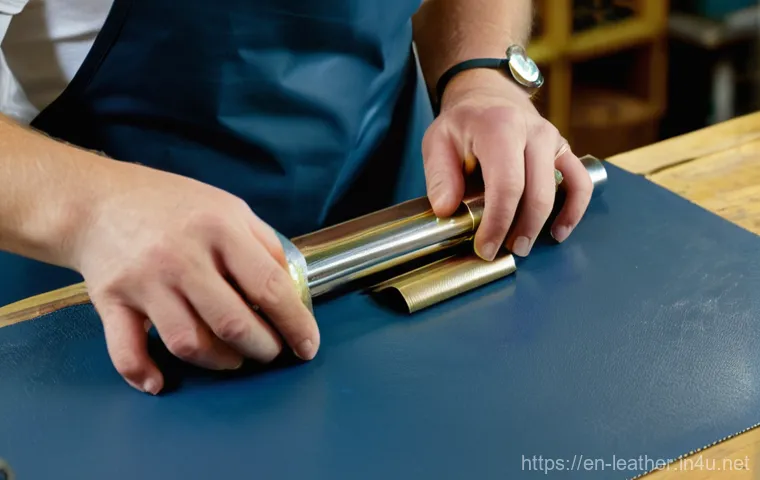
It involves heating a metal die (a custom stamp of your design or individual letters) and pressing it onto the leather with a thin layer of foil in between.
The heat and pressure transfer the foil, leaving a beautiful, permanent mark. I’ve used this extensively for everything from journal covers to watch straps, and the results are always top-notch.
It’s particularly fantastic for logos, monograms, and short titles, providing that undeniable touch of luxury and professionalism. However, it does require a bit of an investment in equipment and the dies themselves, which can add up if you need many different fonts or custom designs.
You also need to be meticulous with temperature and pressure settings, as too much of either can scorch the leather or produce a weak impression.
Laser Engraving: Precision Meets Versatility
Then there’s laser engraving, which has become a game-changer for so many artisans, myself included. It uses a focused laser beam to burn away the top layer of the leather, creating a permanent, debossed effect.
What I love about laser engraving is its incredible precision and versatility. You can engrave incredibly intricate designs, small text, and even raster images with stunning detail that would be impossible with traditional stamping.
It’s also much faster for one-off custom jobs since you don’t need to create a physical die for each design – you just upload your digital file! The downside?
The burnt edges can sometimes leave a distinct smell that fades over time, and the color of the engraving can vary depending on the leather’s tannage and dye, often appearing darker or blackish.
I’ve found it works beautifully on vegetable-tanned leather, giving a lovely contrast, but on some chrome-tanned leathers, the results can be a bit more subtle.
The Nuances of Debossing and Embossing
Beyond the glitz of foil or the precision of laser, we also have debossing and embossing. Debossing is essentially hot stamping without the foil; the heated die simply presses into the leather, creating a sunken impression.
It’s a subtle, elegant look that I personally adore for minimalist designs and when I want the natural beauty of the leather to shine through. Embossing, on the other hand, creates a raised effect, where the design stands out from the leather surface.
This usually requires a male and female die (a top die and a counter-die) that press the leather from both sides. While debossing is quite common in many craft setups, true embossing is a bit more specialized and often requires heavier-duty machinery.
The tactile quality of an embossed design can be truly stunning, adding another dimension to your leather creations that feels incredibly luxurious to the touch.
Beyond the Basics: Mastering Hot Foil Stamping for Stunning Results
Hot foil stamping, for me, is where the magic truly comes alive. It’s a method that commands respect, not just because of its beautiful results, but because it truly requires a delicate touch and an understanding of the materials at hand.
I remember my early days, struggling with inconsistent impressions, sometimes too light, sometimes too deep, and even worse, sometimes a ghostly double image!
But with practice, patience, and a bit of scientific curiosity, I started to unravel the secrets. It’s not just about slamming a hot die onto leather; it’s a finely tuned dance between temperature, pressure, dwell time, and the specific characteristics of your leather and foil.
Getting it just right yields that satisfying, crisp, metallic glint that instantly elevates any piece. There’s a particular kind of joy in seeing a perfectly stamped logo or a set of initials gleam against the rich texture of good leather – it’s a tangible representation of quality and craftsmanship.
Perfecting Your Temperature and Pressure Settings
This is, without a doubt, the trickiest part of hot foil stamping, but also the most crucial. Different leathers react differently to heat. A thinner, softer leather will require less heat and pressure than a thick, stiff vegetable-tanned hide.
My go-to advice is always to start with scrap pieces of the *exact same leather* you’ll be using for your final project. Begin with a lower temperature and moderate pressure, then gradually increase both until you achieve a clear, consistent impression without scorching the leather or smearing the foil.
Foils also have their own optimal temperature ranges; some metallics like gold and silver might need slightly different heat than a matte black or white.
I keep a detailed log in my workshop, noting the leather type, foil color, temperature, and pressure settings for various projects. This little habit has saved me countless hours and prevented so many potential mistakes.
It’s all about finding that sweet spot where the foil adheres beautifully without distorting the leather or breaking down.
Choosing the Right Foils and Dies
The quality of your foil and dies makes a monumental difference. For dies, investing in high-quality brass or magnesium dies is worth every penny. Brass dies, while more expensive upfront, are incredibly durable and retain heat beautifully, making for more consistent impressions over time.
Magnesium dies are great for intricate designs or shorter runs. When it comes to foil, don’t skimp! Cheap foil can lead to patchy results, poor adhesion, and endless frustration.
There’s a vast array of foil colors and finishes available – from classic metallics like gold and silver to matte colors, holographic, and even pearlescent.
Each brings its own unique character to a piece. I also love experimenting with textured foils that mimic patterns. Always consider the color of your leather and the overall aesthetic you’re aiming for.
A rich gold on dark brown leather is a timeless classic, but a vibrant teal on natural undyed leather can be surprisingly stunning and contemporary.
The Precision of Light: Diving into Laser Engraving for Leather
When I first saw a laser engraver in action, I was absolutely captivated. The sheer precision, the ability to etch incredibly fine details, and the digital workflow felt like a leap into the future of leather crafting.
Gone were the days of needing a physical die for every single design change; now, a simple digital file could be transformed into a stunning, permanent mark on leather.
This versatility has completely opened up new creative avenues for my projects, allowing for intricate patterns, detailed logos, and even photographic reproductions that would be impossible with traditional stamping.
It’s a fantastic tool for custom work, especially when clients come with unique requests or highly specific branding. While the initial investment in a quality laser engraver can be significant, the long-term flexibility and creative freedom it offers are, in my experience, invaluable.
Understanding Laser Settings and Leather Types
Just like hot foil stamping, getting great results with laser engraving is all about understanding your settings and how they interact with different leather types.
Power, speed, and frequency are your main variables, and tweaking them will dramatically change the outcome. Too much power or too slow a speed can burn through the leather or leave a very deep, charred mark, while too little might not create a visible impression.
I’ve found that vegetable-tanned leathers tend to engrave beautifully, offering a strong contrast. Chrome-tanned leathers can be a bit trickier, sometimes producing a lighter, less defined mark, or even reacting poorly if they contain certain dyes.
Always, always test on a scrap piece. It’s also important to consider ventilation; engraving leather produces smoke and fumes, so a good extraction system is non-negotiable for safety and to prevent residue buildup on your projects.
Experimentation here is truly your best friend.
From Digital Design to Physical Engraving
The beauty of laser engraving lies in its digital workflow. You design your artwork using graphic design software like Adobe Illustrator or Inkscape, convert it to a suitable format (usually vector for lines, raster for fills), and then send it to the laser engraver.
This process allows for incredible flexibility; you can easily scale designs, adjust fonts, and incorporate complex graphics with ease. For me, this has meant being able to offer highly personalized items with intricate details like custom family crests or detailed illustrations that clients provide.
It’s a different skillset than traditional crafting, leaning more into digital artistry, but it’s a skill that pays off handsomely in the range of products you can offer.
Ensuring your design files are clean, properly scaled, and optimized for laser cutting/engraving is key to achieving sharp, professional results every time.
Digital Dreams: Exploring Modern Printing for Complex Designs
While hot foil and laser engraving are staples in my workshop, the landscape of leather customization is constantly evolving, and digital printing on leather is quickly becoming a fascinating frontier.
It’s a game-changer for designs that are incredibly intricate, multi-colored, or involve gradients and photographic quality. Imagine being able to print a full-color portrait or a vibrant, complex pattern directly onto a leather panel – it’s truly revolutionary!
I’ve been dabbling with this method for certain projects, especially for clients who want something truly unique and visually striking that traditional methods simply can’t achieve.
It’s not about replacing the classic techniques, but rather expanding the toolkit and opening up entirely new creative possibilities for artisans who want to push the boundaries of what’s possible in leather craft.
The Advantages of UV and Inkjet Leather Printing
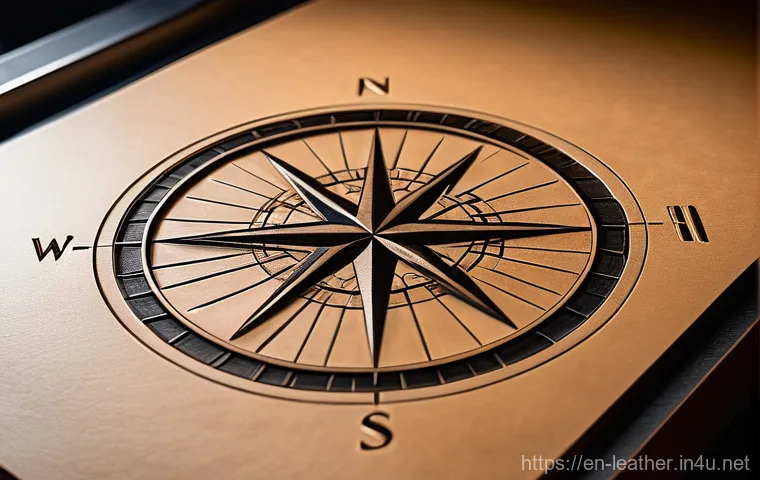
The two main players in digital leather printing are UV printers and specialized inkjet printers. UV printers cure ink instantly with ultraviolet light, resulting in incredibly durable and vibrant prints, often with a slight raised texture.
They can handle a wide range of colors and complex designs with impressive resolution. Inkjet printers, on the other hand, use specialized inks formulated for leather that penetrate the surface, offering a softer, more integrated feel.
I’ve seen some absolutely stunning results with both – from photo-realistic designs on leather bags to incredibly detailed artwork on small accessories.
The biggest advantage here is the ability to produce full-color, complex designs without the need for dies or the limitations of single-color engraving.
This opens up markets for fashion accessories, artistic pieces, and highly customized corporate gifts that demand a vibrant, detailed aesthetic.
Navigating the Challenges of Digital Printing on Leather
While the possibilities are exciting, digital printing on leather isn’t without its challenges. The primary concerns I’ve encountered revolve around adhesion, durability, and the texture of the print.
Not all leathers are created equal when it comes to ink absorption and retention, and finding the right pretreatment or specialized leather can be crucial.
Durability is also a big factor; you want prints that won’t crack, fade, or rub off with use, especially on high-wear items like wallets or phone cases.
Color accuracy can also be a beast, as leather’s natural color and texture can influence how inks appear. I’ve spent quite a bit of time testing different leathers and inks to find combinations that truly hold up and look fantastic.
It’s a continuous learning curve, but the results when everything clicks are absolutely breathtaking.
Crafting Your Message: Font Selection, Placement, and Design Tips
You know, it’s not enough to just pick a printing method and slap a name on a piece of leather. The real artistry, the thing that makes a personalized item truly sing, lies in the thoughtful details of design.
I’ve seen projects go from “meh” to “wow!” simply by changing the font or adjusting the placement of initials. It’s a delicate balance, and honestly, it’s one of my favorite parts of the process.
This stage is where your eye for design and understanding of aesthetics truly come into play, transforming a functional item into a personal statement.
It’s about ensuring that the personalization enhances the piece, rather than detracting from its natural beauty or purpose. From my own experiences, paying close attention to these elements makes all the difference in creating something truly memorable.
The Power of Typography: Choosing the Perfect Font
Fonts are like voices – each one conveys a different tone and personality. A delicate script might be perfect for a romantic gift, while a bold sans-serif could be ideal for a corporate branding project.
I always encourage clients to think about the recipient and the overall message. Is it a classic monogram for a sophisticated professional? Then a clean serif font like Times New Roman or a classic block letter might be ideal.
Is it a whimsical quote for a creative friend? A more playful, hand-drawn style font could be perfect. I’ve built up quite a collection of fonts over the years, carefully curated to offer a range of styles that work well on leather.
It’s not just about what looks good on a screen; consider how the font will translate to your chosen printing method. Thin, intricate fonts can be challenging for hot foil stamping, for instance, but might excel with laser engraving.
Strategic Placement and Sizing for Maximum Impact
Where you place your personalization is just as important as what you’re putting there. The goal is to make it look integrated and intentional, not like an afterthought.
For a wallet, a subtle placement on the lower right corner or inside on a card slot might be perfect. On a journal, the center of the cover or a debossed spine can be incredibly elegant.
Consider the natural lines and features of the leather item itself. Sizing is another critical factor. Too small, and it gets lost; too large, and it can overpower the piece.
I often create mock-ups or print out paper templates to test different sizes and placements directly on the item before committing. It helps to visualize the final outcome and ensures that the personalization feels balanced and harmonious with the entire design.
Don’t be afraid to experiment, but always aim for understated elegance over overwhelming flashiness.
| Printing Method | Best For | Key Advantages | Considerations |
|---|---|---|---|
| Hot Foil Stamping | Logos, Monograms, Short Titles | Elegant, Crisp, Metallic Finish, Durable | Requires Dies, Setup Time, Temperature/Pressure Sensitivity |
| Laser Engraving | Intricate Designs, Fine Text, Photos | High Precision, Versatile, No Dies Needed | Can Cause Odor, Color Variation, Initial Equipment Cost |
| Debossing | Subtle Branding, Minimalist Aesthetics | Clean, Tactile Impression, Timeless Look | Requires Dies, Less Visual Contrast |
| Digital UV/Inkjet Printing | Multi-color, Complex Patterns, Gradients | Vibrant Colors, High Detail, Broad Design Freedom | Ink Durability, Leather Compatibility, Pretreatment Needs |
Troubleshooting & Triumphs: Overcoming Common Printing Hurdles
Every leather artisan, no matter how experienced, runs into snags. Trust me, I’ve been there! I’ve had perfectly good leather pieces turn into “learning opportunities” because a stamp wasn’t hot enough, a laser setting was off, or my foil decided to play hard to get.
The good news is that most common issues with leather title printing have well-known solutions, and recognizing them is half the battle. This is where the “experience” part of E-E-A-T truly comes into play – learning from mistakes, adjusting, and refining your process.
There’s a particular satisfaction in diagnosing a problem and then executing a perfect solution; it’s like solving a mini-puzzle and ultimately leads to a higher level of craftsmanship.
Don’t let a few setbacks discourage you; they’re an inevitable part of the journey toward mastery.
Diagnosing and Fixing Hot Foil Stamping Issues
If your hot foil stamp isn’t coming out perfectly, it’s usually one of a few culprits. A common issue is patchy or incomplete foil transfer. This often points to insufficient heat, uneven pressure, or sometimes, a bad batch of foil.
I usually start by increasing the temperature slightly and ensuring I’m applying even, firm pressure across the entire die. If the foil is sticking everywhere *except* the design, you might have too much heat or dwell time, causing the adhesive to spread too far.
Another headache is double images or blurry impressions, which can happen if the leather or die shifts during stamping, or if you’re not lifting the die cleanly.
A stable work surface and careful alignment are key here. I’ve also found that making sure the leather surface is clean and free of oils helps immensely with foil adhesion.
Tackling Laser Engraving Imperfections
Laser engraving, while precise, can also throw curveballs. If your engraving is too light, you might need to increase the laser power or slow down the speed.
If it’s too dark, deeply charred, or you’re seeing excessive smoke, then you’re likely using too much power or are moving too slowly. A distinct “ghosting” or faint double image can indicate that your material is vibrating, or your laser head isn’t perfectly aligned.
Uneven engraving can also be due to an uneven leather surface, so ensuring your material is flat is crucial. One thing I learned the hard way is to clean the laser lens regularly; a dirty lens can significantly reduce engraving power and precision.
The smell of burnt leather, while sometimes unavoidable, can be mitigated with good ventilation and by fine-tuning your settings to avoid excessive charring.
Turning Passion into Profit: Monetizing Your Personalized Leather Creations
Alright, let’s talk shop. You’ve honed your skills, you’re creating stunning personalized leather pieces, and now it’s time to let that passion work for you.
Monetizing your craft isn’t just about selling; it’s about building a sustainable business that allows you to continue doing what you love. I’ve navigated this journey myself, from selling a few custom journals to building a recognizable brand, and I can tell you it’s incredibly rewarding.
The beauty of personalized leather goods is their inherent high value – customers are often willing to pay more for something unique and tailored specifically to them.
This creates fantastic opportunities for profitability, but you need a strategy to effectively reach your audience and position your products. Think about not just the product, but the story behind it, and how you present that to the world.
Strategies for Pricing Your Personalized Leatherwork
Pricing is often the trickiest part for artisans. You need to cover your material costs, your time (and trust me, your time is valuable!), equipment wear and tear, and still leave room for profit.
For personalized items, remember to factor in the complexity of the customization. A simple debossed monogram might be an add-on fee, while a custom-designed laser-engraved image should command a higher premium.
Don’t undersell your work! I encourage you to calculate your hourly rate and material costs thoroughly. Research what similar personalized items are selling for in your market, but don’t just copy.
Position your unique selling points – perhaps your exceptional attention to detail, a specific type of leather you use, or your unique design aesthetic – to justify your pricing.
Remember, personalized items are luxury goods, and pricing them as such instills confidence in their value.
Marketing Your Bespoke Leather Goods Effectively
Once you’ve got your beautiful personalized pieces ready, how do you get them into the hands of eager customers? Online platforms like Etsy, your own e-commerce website, and social media (Instagram, Pinterest, Facebook) are your best friends.
High-quality photography that showcases the personalization is non-negotiable. Use clear, well-lit photos that highlight the detail and craftsmanship.
Tell the story behind your creations and the personalization process – people love to know the human touch behind their items. Collaborating with other small businesses or local boutiques can also expand your reach.
Don’t forget local craft markets and pop-up shops; these are fantastic for direct customer interaction, where people can truly appreciate the quality and tactile nature of your work firsthand.
I’ve personally found that the enthusiasm and genuine compliments you get at these events are just as valuable as the sales!
Wrapping Things Up
Well, we’ve journeyed through quite a bit today, haven’t we? From the undeniable charm of a personalized leather piece to the nitty-gritty of choosing your printing method and even troubleshooting those pesky imperfections. For me, this craft is so much more than just working with leather; it’s about connecting with people, helping them tell their stories, and creating something truly special that will be cherished for years to come. Every time I see a customer’s face light up because of a custom detail, it reminds me why I started this journey. It’s a craft that demands patience and precision, yes, but the rewards—both personal and professional—are simply immense. Keep experimenting, keep learning, and most importantly, keep pouring your heart into every single piece you create!
Useful Information to Know
1. Always, and I mean *always*, test your chosen printing method on a scrap piece of the exact same leather before tackling your final project. Leather is a natural material, and each hide can react differently to heat, pressure, or laser settings. A quick test can save you from costly mistakes and a lot of frustration, helping you dial in those perfect settings for consistent, beautiful results every time. It’s an invaluable step in truly mastering your craft.
2. Invest in quality tools and materials; it truly pays off in the long run. Cheap foils, dull dies, or an unreliable machine can lead to inconsistent results and endless headaches. High-quality brass dies will last a lifetime, and premium foils will give you that crisp, vibrant finish you’re striving for. Maintaining your equipment, like regularly cleaning laser lenses or ensuring your hot foil stamper is calibrated, is also crucial for consistent, professional output.
3. Your unique story and brand identity are powerful selling tools. Don’t just sell a product; sell the experience of personalization. Share your passion for the craft, the meticulous process, and the joy of creating something truly bespoke. This personal touch resonates deeply with customers and helps build a loyal following that appreciates the artistry and care behind each item. Let your brand narrative be as compelling as your creations.
4. Don’t be afraid to experiment with different fonts, placements, and design elements. The perfect personalized piece often comes from trying out various combinations. Create mock-ups, use paper templates, and step back to assess the balance and impact of your design before making it permanent. This iterative approach allows you to refine your aesthetic and discover what truly makes your personalized items stand out and feel unique to your brand.
5. Continuous learning is the backbone of growth in leather crafting. The industry is always evolving, with new techniques, materials, and digital tools emerging. Join online communities, attend workshops, and keep an eye on industry trends. Sharing experiences with fellow artisans and embracing new knowledge will not only refine your skills but also keep your offerings fresh and exciting, ensuring your business remains competitive and innovative.
Key Takeaways
Personalization is no longer a luxury but a cornerstone for building meaningful connections and a strong brand identity in the leather craft world. Mastering various printing methods like hot foil stamping and laser engraving, and even exploring modern digital options, expands your creative horizons and the value you offer. Precision in technique, informed by consistent testing and quality materials, underpins every successful project. And remember, transforming your passion into a thriving business involves strategic pricing, effective marketing that tells your unique story, and an unwavering commitment to both craftsmanship and continuous learning.
Frequently Asked Questions (FAQ) 📖
Q: What are the most popular and effective methods for adding those stunning titles and designs to leather, and how do I pick the right one for my project?
A: Oh, this is such a fantastic question, and it’s one I hear all the time! When it comes to jazzing up leather with a personalized touch, there are a few star players, each with its own charm and benefits.
I’ve dabbled with most of them, and I can tell you, the choice often depends on your vision, your budget, and how much “hands-on” you want to get. First up, we have Hot Foil Stamping.
This is probably what many people first picture, and for good reason! It involves using heated metal dies or typefaces to press foil (or just blind deboss for a subtle, elegant look) into the leather.
The result is just chef’s kiss – a crisp, slightly indented impression that looks incredibly professional and feels so luxurious. I remember the satisfying ‘thwack’ of my first hot foil press – it felt like I was truly making something special.
It’s fantastic for monograms, short phrases, and logos, and honestly, the metallic sheen of gold or silver foil just elevates everything. For beginners, a simple, hand-operated hot stamping machine can be a great entry point, especially if you’re doing smaller batches.
The learning curve isn’t too steep, and the immediate, tangible results are so rewarding! Then there’s Laser Engraving. Now, this one is pure magic!
A laser precisely burns away the top layer of the leather, creating incredibly intricate and detailed designs. Think complex patterns, fine script, or even photographic images – things that would be nearly impossible with traditional stamping.
The contrast it creates is beautiful, often a dark, almost burnt-wood look against lighter leather, but it varies wildly depending on the leather type.
My first laser-engraved piece was a wallet with a tiny, incredibly detailed map design, and I was just blown away by the precision. It’s definitely a bigger investment in terms of equipment, but if you’re aiming for highly detailed, unique pieces, or want to offer a wide range of customization, a laser engraver opens up a world of possibilities.
It’s less hands-on once you set up the design, which can be a pro or con depending on what you’re looking for! Finally, we’re seeing more and more of Digital Printing on leather.
This is like printing on paper, but for leather! It allows for full-color designs, gradients, and really complex artwork directly onto the surface. While it doesn’t offer the tactile debossed feel of hot stamping or the etched depth of laser engraving, it’s incredible for vibrant, photo-realistic applications where color is key.
This is usually a higher-end, industrial process, so it’s less common for the home crafter, but it’s definitely something to consider if you’re looking into larger scale production or incredibly colorful designs.
So, how to choose? If you love classic elegance, a tactile feel, and are doing text or simple logos, start with hot foil stamping. If intricate designs, unique textures, and a more automated process appeal to you, and you’re ready for a larger investment, laser engraving is your go-to.
My advice for anyone just dipping their toes in? Don’t be afraid to start small! Grab an inexpensive hot stamping kit and some scrap leather.
You’ll be amazed at how quickly you can create something truly personal and professional-looking.
Q: Beyond just looking good, what tangible benefits does personalizing leather items bring, especially for small businesses or those of us who love giving truly unique gifts?
A: Oh, my friend, this is where the real magic happens, beyond just the aesthetics! Personalizing leather isn’t just about making something pretty; it’s about imbuing an object with meaning, connection, and incredible value.
And for small businesses? It’s an absolute game-changer. Let’s talk about the emotional connection first, because that’s huge, especially for gifts.
Think about it: when you give someone a generic wallet, it’s nice. But when you give them a wallet with their initials, a significant date, or a inside joke debossed on it?
That’s not just a gift; it’s a memory, a story, a piece of them. I remember crafting a personalized journal for my best friend’s birthday, with a quote that meant the world to us etched on the cover.
Her reaction wasn’t just gratitude; it was pure joy, a feeling that it was made just for her. That emotional resonance is something mass-produced items just can’t replicate.
It creates an instant bond and makes the gift truly unforgettable. For small businesses, personalization is a superpower. In a crowded marketplace, standing out is everything.
Offering custom names, logos, or unique designs on your leather goods immediately sets you apart. It transforms your products from “just another item” to “a bespoke creation.” This translates directly into higher perceived value and, frankly, allows you to command a better price point.
People are willing to pay a premium for something that feels unique and tailored. It’s not just about the cost of the material; it’s about the artistry and the individuality.
Moreover, personalized items foster incredible brand loyalty and word-of-mouth marketing. When a customer carries a bag with their monogram, or a notebook with their company’s subtle logo, they’re not just carrying an item – they’re carrying a conversation starter.
“Where did you get that?” “Oh, it’s custom-made by [Your Brand Name]!” This organic promotion is priceless. It also signals that you care about quality and detail, building immense trust with your clientele.
And let’s not forget the sheer satisfaction of creating something truly one-of-a-kind. Whether you’re a hobbyist or a professional, there’s an immense sense of accomplishment in taking a beautiful piece of leather and transforming it into something deeply personal, something that will be cherished for years, perhaps even passed down.
It’s an investment in a legacy, not just an object. So yes, the benefits go far, far beyond just looking good; they delve into the heart of what makes craftsmanship and thoughtful giving so special.
Q: I’m just starting out and feeling a bit overwhelmed! What’s the absolute first step I should take to dive into leather craft title printing without breaking the bank?
A: Oh, I totally get that feeling! Trust me, everyone, and I mean everyone, starts somewhere, and that “overwhelmed” sensation is completely normal when you’re looking at all the amazing things possible.
But here’s my absolute best advice for taking that very first, budget-friendly step: Start small, focus on one simple technique, and practice, practice, practice on scrap pieces!
Don’t feel like you need to buy a huge, expensive machine right off the bat. That’s a surefire way to make your wallet cry and potentially deter you if you’re not sure which method you’ll truly fall in love with.
My journey began with a very basic, hand-held hot stamping tool, not much bigger than a soldering iron, and a handful of individual brass letters. You can often find these beginner kits online for a surprisingly reasonable price, sometimes even under $100.
They might not be lightning-fast or produce factory-perfect results immediately, but they are perfect for getting a feel for the process. Here’s your action plan:
1.
Pick Your Starter Technique: Based on our chat about hot foil, laser, and digital, I’d strongly recommend exploring a simple hot foil stamping kit with a basic hand press or even an electric branding iron with interchangeable letters.
It gives you that satisfying tactile result without needing a computer or a huge workspace. 2. Scrounge for Scraps: Before you even think about personalizing that beautiful new leather wallet you bought, get your hands on some leather scraps!
Local leather supply stores often sell bags of off-cuts for cheap, or you might even find some online. These are your practice canvases. Experiment with different temperatures, different pressures, and different timings.
See how the same letter looks on various types of leather – some stamp cleaner than others, believe me! 3. Watch and Learn: The internet is your best friend here.
Head over to YouTube and search for “beginner hot foil stamping leather” or “how to use leather branding iron.” Watch a few different tutorials. Pay attention to how people hold the tools, how long they press, and what kind of pressure they apply.
I learned so much just by watching others’ techniques before I even touched my own tools. You’ll pick up little tips and tricks that save you a lot of frustration.
4. Embrace Imperfection: Your first few attempts won’t be perfect. And guess what?
That’s totally okay! My first attempts looked a bit wobbly, or sometimes too deep, sometimes too light. Think of each “mistake” as a learning opportunity.
It’s all part of developing your eye and your touch. The goal is to understand the material and the tool, not to create a masterpiece on day one. By starting small, practicing on scraps, and learning from others, you’ll gain confidence, discover what you enjoy most, and avoid significant upfront costs.
Before you know it, you’ll be creating pieces that feel truly unique and personal, and you’ll be ready to explore more advanced techniques with a solid foundation.
Just take that first little step; the rest will follow!