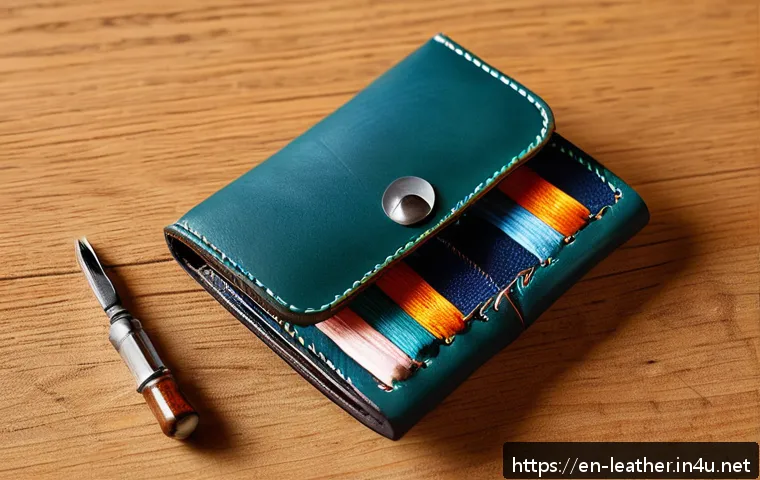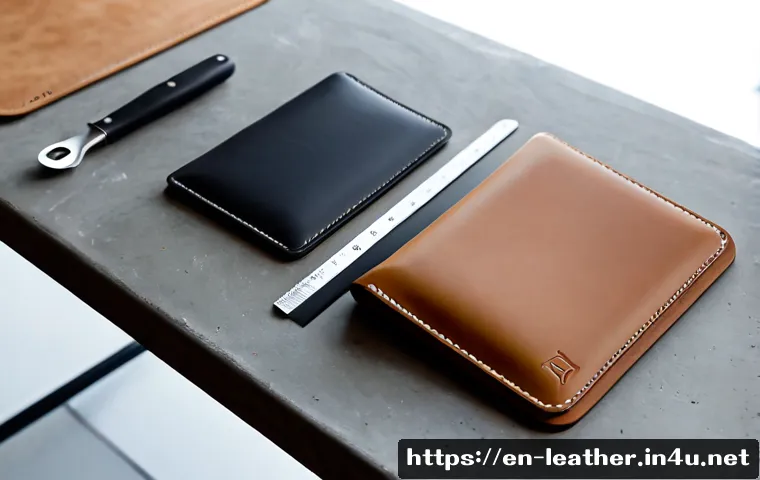
Choose modern leathercraft if you want clean function, restrained color, and an everyday design that works across many settings. Choose classic leatherwork if you value traditional forms, visible handwork, and leather that gains character through patina.
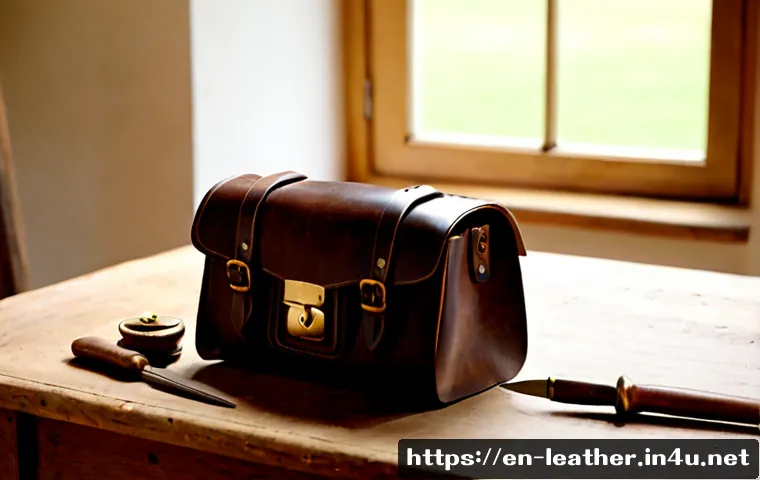
Neither direction is automatically better or more durable; the result depends on leather selection, construction, hardware, care, and how the item will be used.
Your choice also affects which hides, tools, patterns, and finishes make sense to buy. A simple style plan before shopping can prevent mismatched hardware, overly soft leather, or decorative details that do not suit the project.
Start with the item’s purpose, then choose the visual direction.
At a Glance
- Modern leather goods usually favor clean silhouettes, limited colors, and minimal visible decoration.
- Classic leatherwork often highlights traditional shapes, stitching, finished edges, patina, and decorative techniques.
- The same pattern can look very different depending on leather temper, hardware finish, thread, edge treatment, and closure choice.
| Decision Factor | Modern Leathercraft | Classic Leathercraft |
|---|---|---|
| Overall appearance | Clean lines, restrained silhouettes, limited palette | Traditional forms, visual depth, crafted detail |
| Leather direction | Chosen for structure, softness, color consistency, or intended performance | Vegetable-tanned leather is often considered when visible patina is part of the goal |
| Visible details | Minimal hardware, simple closures, quiet edge treatment | Stitching, burnishing, carving, stamping, hand-dyeing, or decorative edges |
| Time and cost drivers | Material quality, precise cutting, hardware, and construction | Hand stitching, carving, stamping, burnishing, and hand-dyeing can add time and material cost |
| Good starting projects | Card holders, simple wallets, desk accessories | Belts, traditional wallets, watch straps, detailed gift pieces |
The Quick Answer: Which Direction Fits Your Project?
Choose a Modern Look for Clean Function and Everyday Versatility
A modern direction works well when the item needs to feel practical, understated, and easy to use every day. Think of a slim card holder, a plain laptop sleeve, or a structured tote with limited hardware. Keep the design intentional by choosing one clear leather color, a compatible thread color, and hardware that does not compete with the silhouette. Minimal does not mean unfinished: accurate cuts, consistent stitching, and clean edges matter even more when there is little decoration to distract the eye.
Choose a Classic Look for Tradition, Character, and Visible Craftsmanship
A classic direction suits projects where the making process is part of the appeal. Traditional wallet shapes, belts, watch straps, and carved accessories can benefit from visible stitching, burnished edges, and decorative work. Vegetable-tanned leather may be a fitting option when you want the leather to develop visible patina through use. The caution is balance: adding every available detail can make a small project feel crowded rather than refined.
When Combining Both Approaches Makes Sense
A mixed approach can be a practical choice. For example, use a clean modern wallet pattern but add hand stitching and carefully burnished edges. Or make a traditional belt shape with restrained hardware and no carving. This is useful for gift-focused projects because it lets you add a handmade feel without committing to a heavily decorative design.
Compare the Two Looks Before You Buy Leather and Hardware
Design Lines, Color Palettes, and Visual Detail
Modern projects usually benefit from a limited palette and fewer visual interruptions. A simple form, a consistent thread choice, and subtle hardware can create a deliberate result. Classic projects can support more visible detail, but each detail should have a role. Decorative stamping may suit a traditional belt, while it may clash with a compact, minimal card holder.
Leather Temper, Finish, and Aging Expectations
Match leather thickness, temper, and finish to the structure and intended use of the item. A project needing body and shape should not be planned around leather that is too soft for its job. Vegetable-tanned leather can develop a visible patina with use. Many chrome-tanned leathers instead prioritize softness, color consistency, or specific performance characteristics. Neither choice is universally best; the item’s use comes first.
Hardware, Thread, Edges, and Closures
These small choices can change the perceived style of the exact same pattern. A clean closure and restrained hardware can move a piece toward modern. A more traditional closure, visible hand stitching, and burnished edges can push it toward classic. Before ordering leather hardware, compare the finish against your thread and edge plan. A hardware finish that looks separate from the rest of the design can make an otherwise careful project feel disconnected.
Time, Tool, and Material Cost Factors
A simple card holder generally needs fewer materials and less construction time than a structured bag, belt, or carved wallet. Detailed work may require additional steps such as hand stitching, carving, stamping, burnishing, or hand-dyeing. These choices can increase both time and material needs. Tool, hide, hardware, and custom-work costs vary by supplier, quality level, location, and project size, so compare the complete materials list rather than judging only the leather price.
Build Each Style Without Common Design Mistakes
Keeping Minimal Projects Intentional Rather Than Plain
For a modern piece, reduce choices rather than adding decoration at the end. Use a pattern with a clear purpose, select a leather that suits the structure, and make the edges and stitching consistent. The goal is not to remove every detail. It is to ensure that each visible feature supports function and proportion.
Adding Traditional Detail Without Making a Piece Feel Overcrowded
For a classic piece, choose a focal point. That may be the patina potential of the leather, a stitched border, a stamped panel, or a carefully burnished edge. Avoid treating every surface as a place for decoration. A traditional style often looks strongest when the shape, leather, and finishing techniques have room to stand out.
Matching Thickness and Structure to the Item’s Use
A wallet, belt, bag, and desk accessory do not ask the leather to do the same job. Consider how much structure the item needs, how it will bend, and what it will carry. A structured bag requires different planning from a soft pouch, while a belt has different demands from a card holder. Check pattern guidance and leather specifications before committing to a hide.
Testing Dye, Edge Paint, and Hardware Combinations First
Test combinations on a small leather offcut before applying them to the final piece. Look at the dye, edge treatment, thread, and hardware together rather than separately. This simple check can reveal whether the finish supports a clean modern look or the warmer, more layered feel of a classic design.
Match the Style to the Item You Are Making
Wallets, Card Holders, and Small Everyday Carry
Card holders are a useful starting point because they usually need fewer materials and less construction time. A modern version can use a slim layout, limited color, and discreet edges. A classic wallet can highlight vegetable-tanned leather, visible stitching, or carefully finished edges. Keep decorative work proportional to the available surface.
Belts, Watch Straps, and Personal Accessories
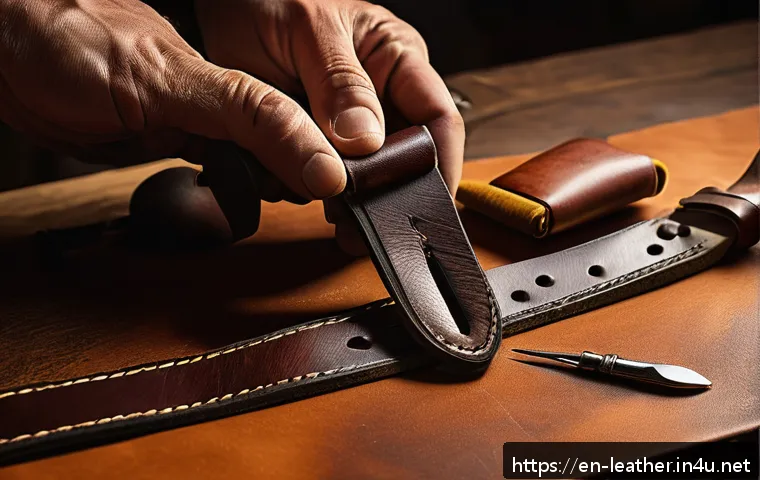
Traditional shapes naturally suit belts and watch straps, especially when stitching, edge finishing, and patina are central to the concept. A modern version can still work well with simple lines and restrained hardware. In either case, choose leather thickness and temper for the item’s intended use rather than only for appearance.
Totes, Briefcases, and Structured Bags
Bag projects require more decisions because the leather, closure, hardware, and construction all affect the final structure. A modern bag may emphasize a practical layout and limited visible hardware. A classic briefcase or tote may use more traditional lines and detailed finishing. Since structured bags use more material and construction time than small goods, planning the pattern and hardware first is especially useful.
Gifts, Home Accessories, and Custom Commissions
For gifts, begin with the recipient’s use rather than the maker’s favorite style. A restrained desk accessory may suit someone who prefers simple interiors, while a personalized classic accessory can make sense for someone who values visible craftsmanship. For a commissioned custom piece, ask about intended use, preferred color direction, closure type, and whether decorative work is wanted before choosing materials.
Budget and Value: Where It Is Worth Spending More
Materials That Affect Longevity and Appearance
Spend thoughtfully on leather that fits the project’s structure and intended use. The right temper, thickness, and finish can prevent a design mismatch before construction begins. Durability cannot be guaranteed by style alone; it depends on leather selection, construction quality, hardware, care, and real-world use.
Tools That Are Useful for Repeat Projects
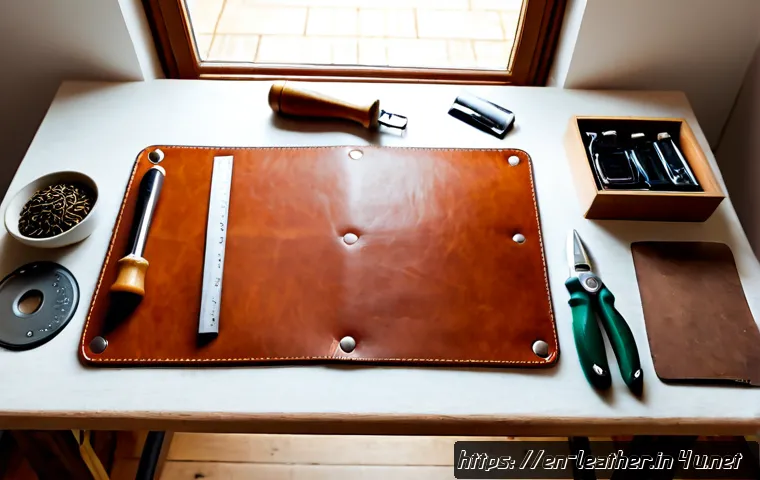
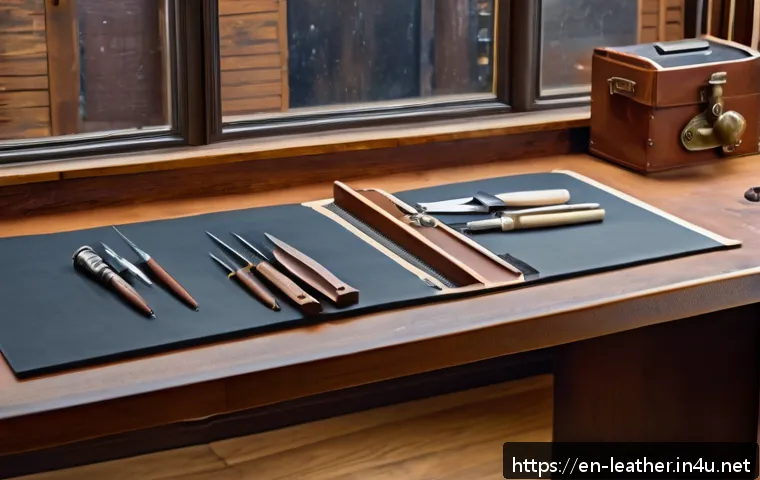
If you expect to make several items, prioritize tools that support the techniques you will actually repeat. A maker focused on clean minimal goods may value accurate cutting and edge-finishing tools. A classic-focused maker may also need tools for hand stitching, burnishing, stamping, carving, or dye work. A starter tool kit can be worth comparing when it matches your chosen project type rather than offering tools you may not use.
When a Pattern, Kit, or Custom Maker May Save Time
A leather pattern can reduce uncertainty when you are learning proportion and construction. A kit may help when you want compatible materials for a first project. A custom maker may be a better fit when the item requires a specific size, finish, or level of hand detail that is not practical for your current tools or skill level. Compare what is included, the leather description, hardware options, and finishing details before choosing.
Selection Criteria and Comparison Summary
Use this short checklist before buying leather, hardware, a starter tool kit, or a pattern:
- Use: Will the item need structure, flexibility, frequent bending, or room for carried weight?
- Style direction: Do you want restrained function or traditional visible craftsmanship?
- Leather choice: Does the thickness, temper, and finish fit the pattern and intended use?
- Finish plan: Do the thread, edge treatment, closure, and hardware finish look coherent together?
- Work involved: Are hand stitching, carving, stamping, burnishing, or dyeing realistic for your time and tools?
- Budget: Are you comparing the full project list, including leather, hardware, tools, and potential waste?
For a modern-focused project, favor a clean pattern, compatible hardware, and precise finishing. For a classic-focused project, choose one or two visible craft details and give them enough space to matter. Compare leather specifications, hardware finishes, starter tool kits, patterns, and custom-maker options on the relevant product or service page before making a final purchase.
Conclusion
Modern and classic leathercraft are not opposing quality levels; they are different design priorities. Modern work puts attention on function, proportion, and restraint. Classic work gives more room to traditional forms, patina, and visible hand-finishing. Start with how the item will be used, then select materials and techniques that support that purpose. A consistent design plan is more valuable than adding details simply because they are available.
Useful Things to Know
Patina is a design choice: vegetable-tanned leather can develop visible character through use, which may suit a classic look.
Small components matter: thread color, edge treatment, hardware finish, and closure type can shift the entire visual direction.
Project size changes planning: small card holders are generally simpler than structured bags, belts, or carved wallets.
Important Notes
Exact costs for hides, tools, hardware, patterns, and custom leather goods vary by supplier, location, quality level, and project size. No style is universally more durable, and popularity or resale value cannot be guaranteed. Check leather specifications, pattern requirements, available tools, and care guidance before purchasing materials or commissioning a piece.
Frequently Asked Questions
Q1. Is modern or classic leathercraft better for a beginner?
A1. Either can work for a beginner, but a simple modern card holder may be easier to plan because it usually uses fewer materials and less construction time. A classic project can also be beginner-friendly if you limit decorative techniques and choose a manageable pattern. Your available tools and skill level affect which approach is practical.
Q2. Which style usually costs more to make: minimal leather goods or traditional detailed pieces?
A2. There is no fixed answer. A detailed traditional piece can require more time and materials when it includes hand stitching, carving, stamping, burnishing, or hand-dyeing. However, the exact cost depends on the leather, hardware, tools, supplier, project size, and level of construction involved.
Q3. What type of leather is best for a classic-looking wallet or belt?
A3. Vegetable-tanned leather is often considered for classic-looking wallets or belts because it can develop visible patina with use and can suit traditional finishing techniques. Still, thickness, temper, and finish should match the item’s structure and intended use, so review the pattern requirements before selecting a hide.